New Delhi Air Pollution Reaches Hazardous Levels

Photo of Douglas A. McIntyre
By Douglas A. McIntyre Updated Published
This post may contain links from our sponsors and affiliates, and Flywheel Publishing may receive compensation for actions taken through them.
New Delhi Air Pollution Reaches Hazardous Levels

© Diy13 / Getty Images

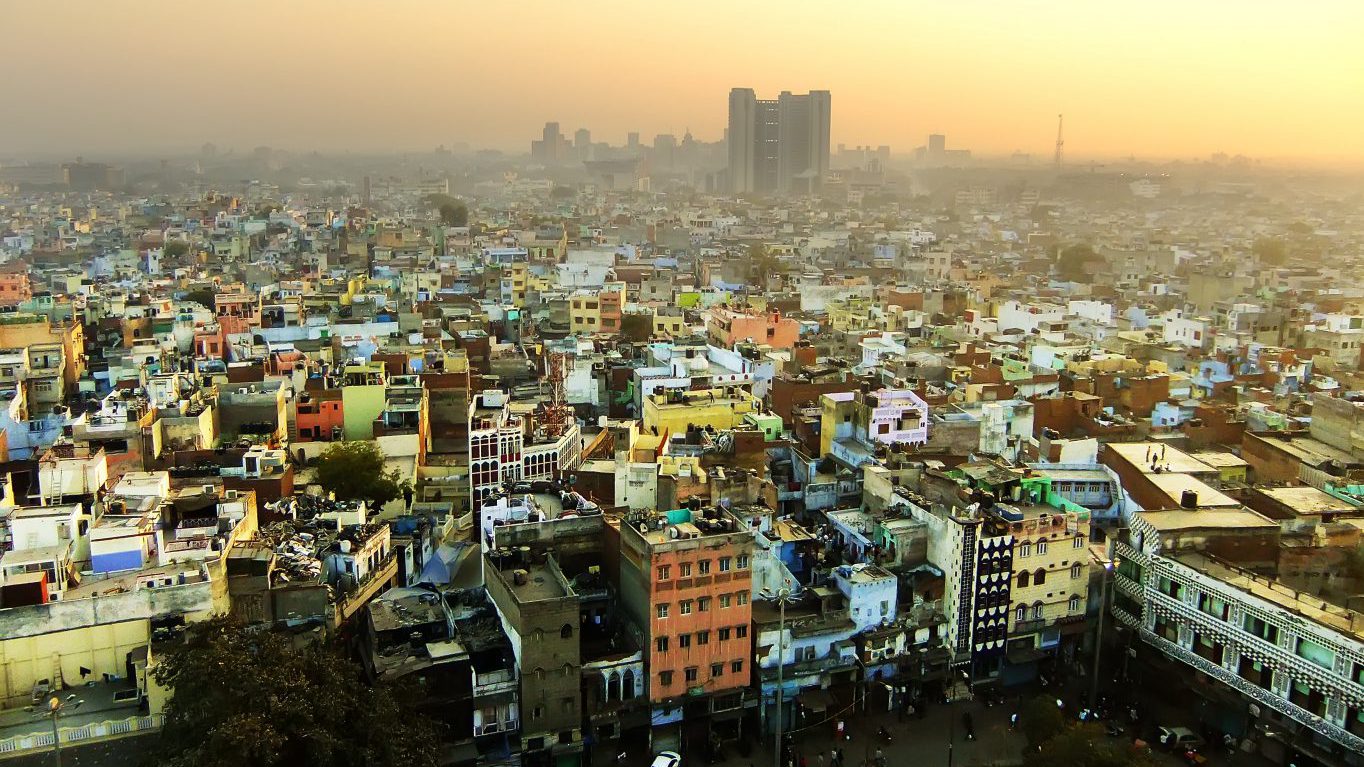
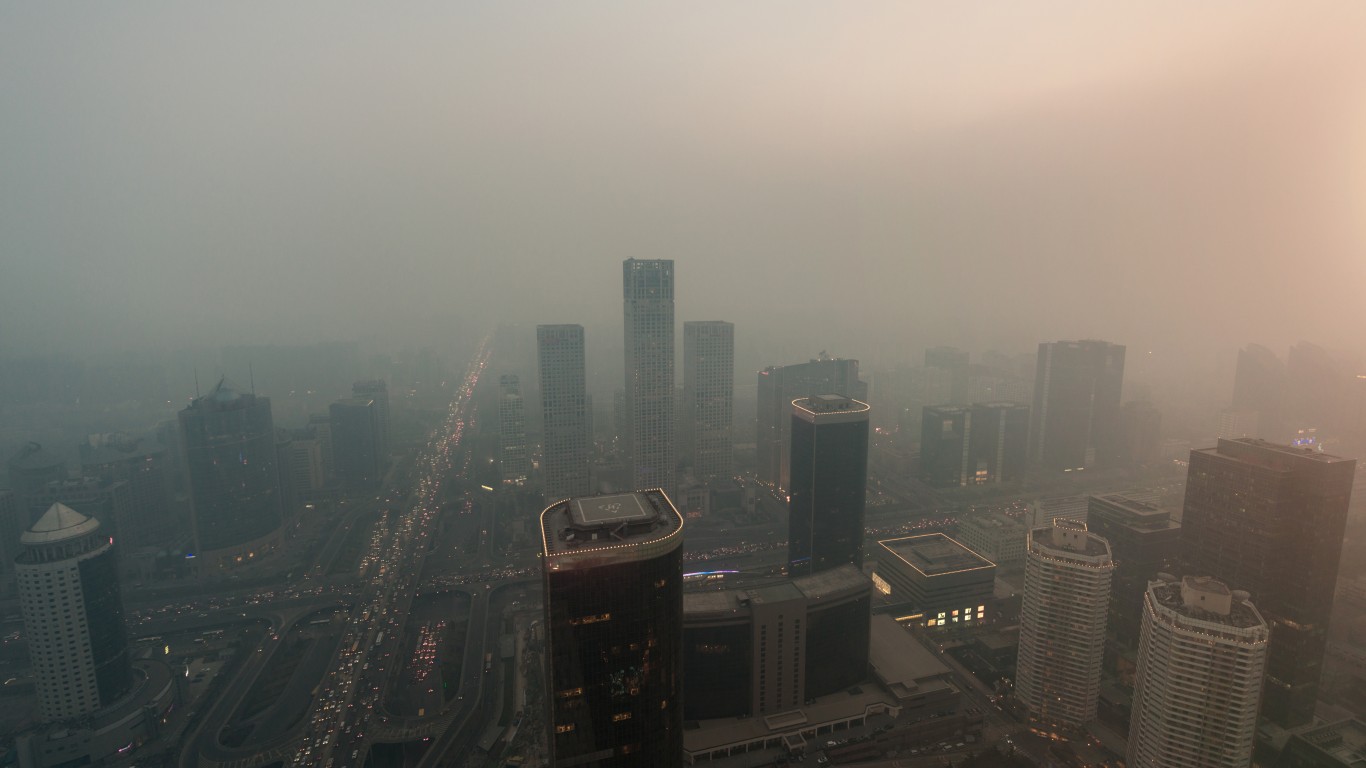
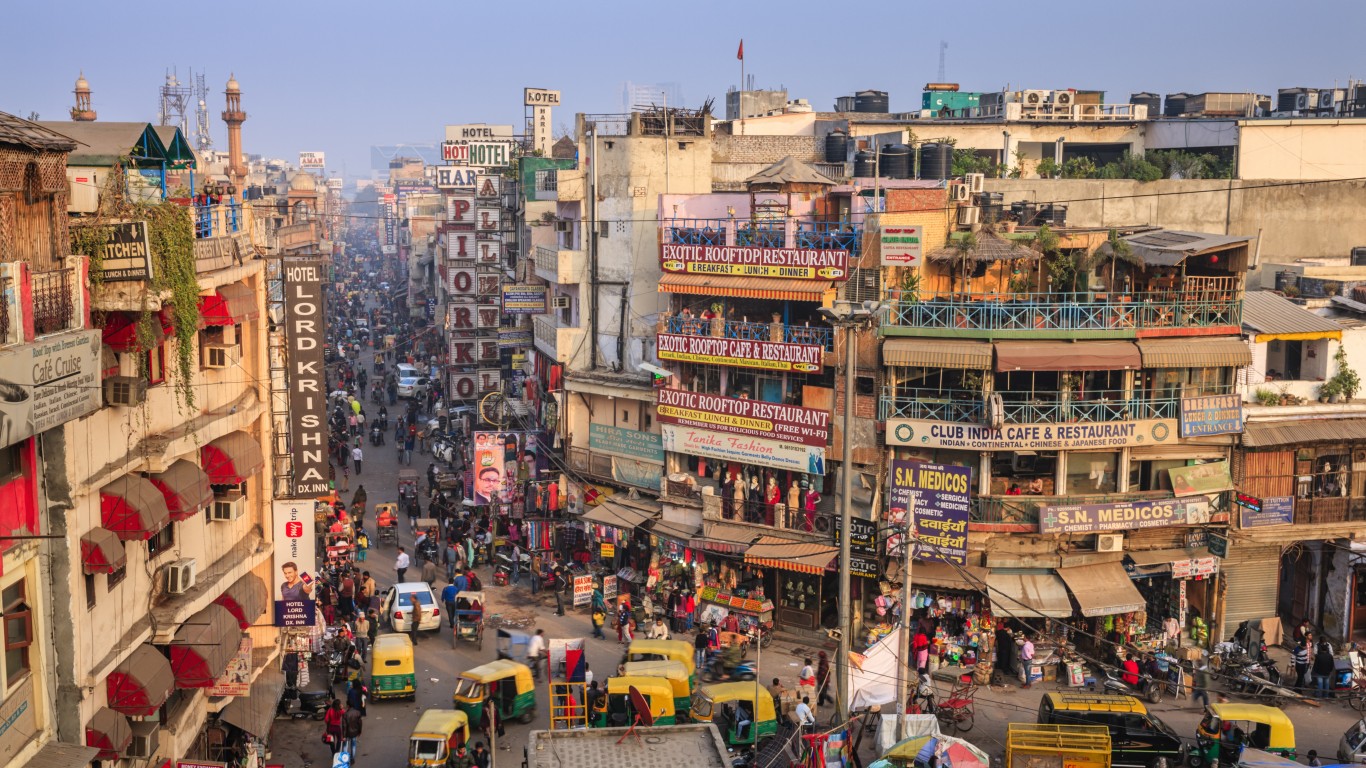
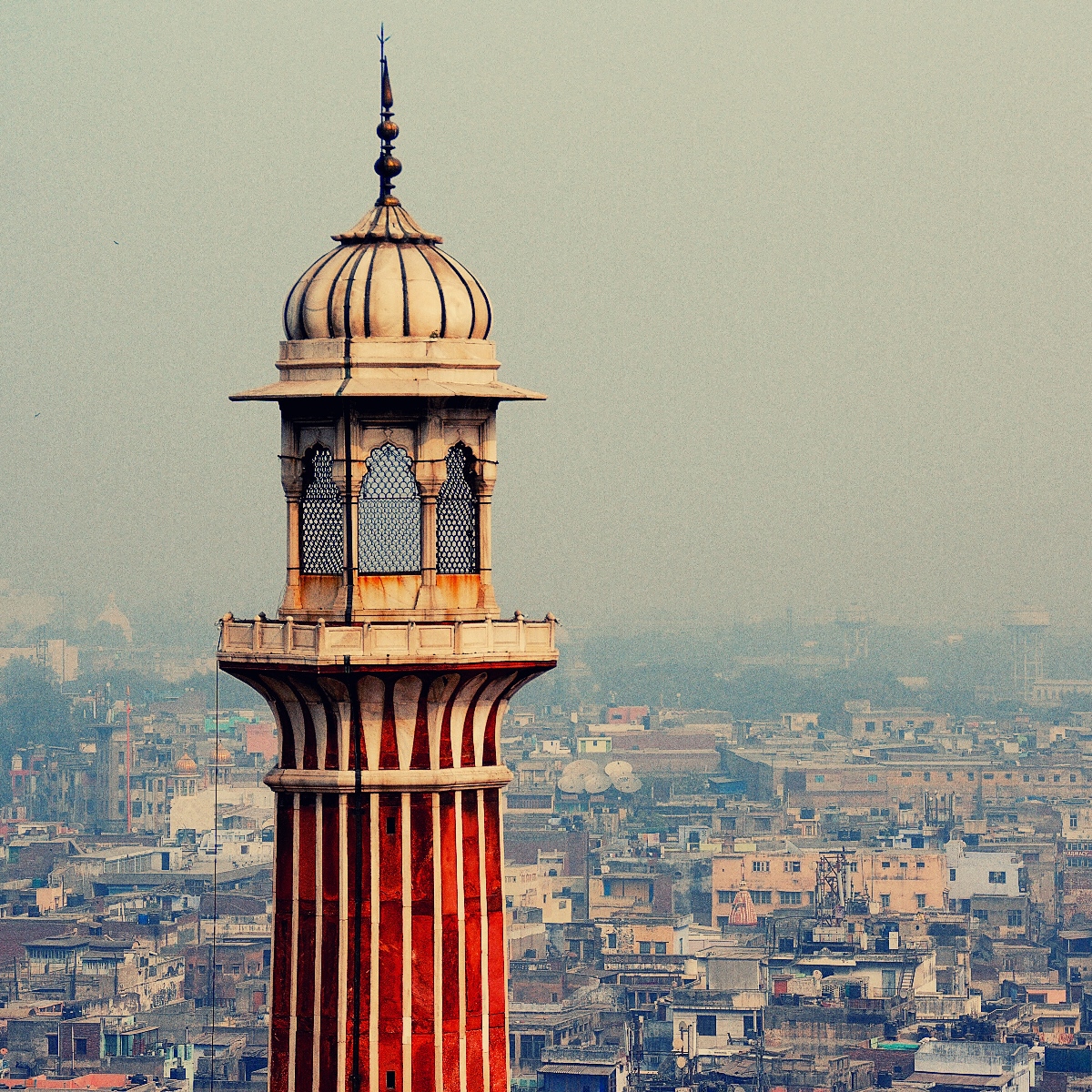
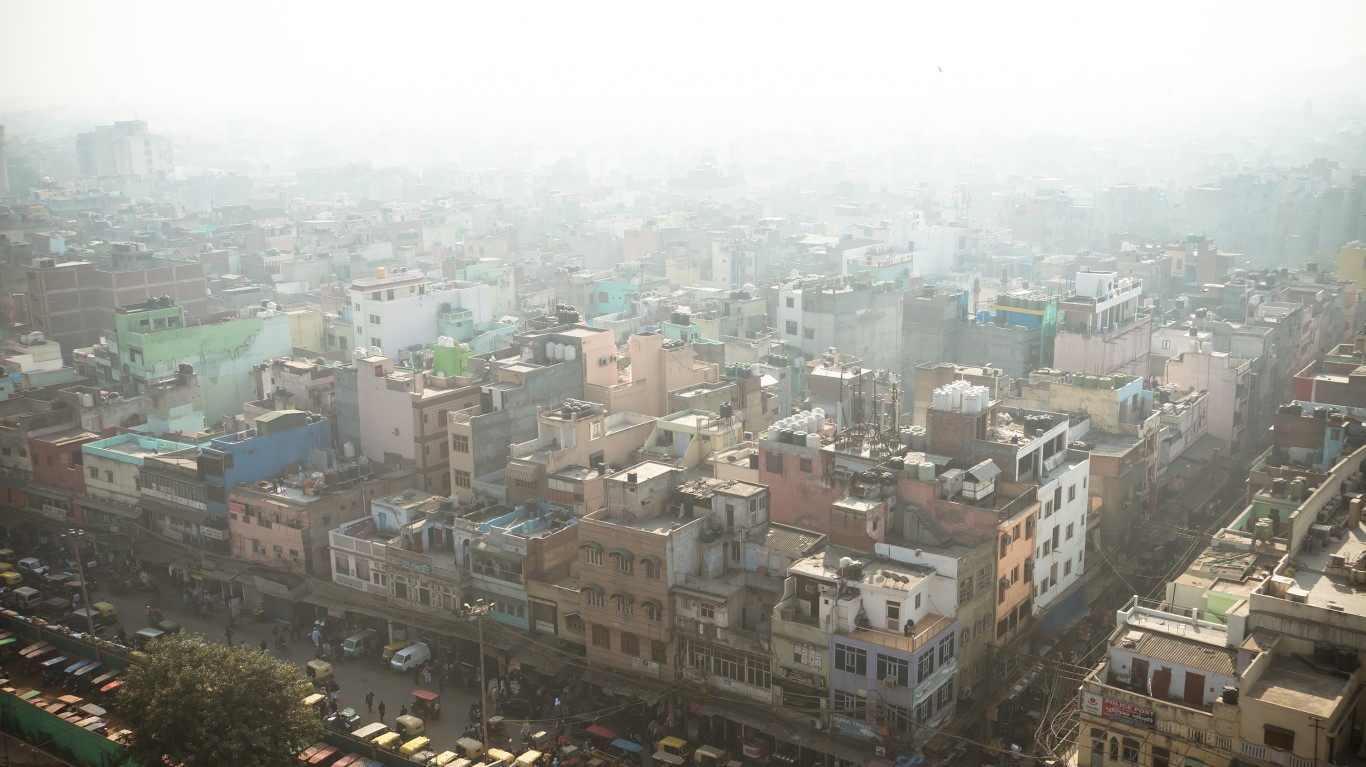
The air pollution in New Delhi reached what the EPA would measure as a level that would create hazardous health conditions. The agency uses five measures—“ground-level ozone, particle pollution (also known as particulate matter), carbon monoxide, sulfur dioxide, and nitrogen dioxide.” India’s Air Quality Index uses similar yardsticks. The AQI in New Delhi was 480 on Friday, which the Indian government labels “severe”. Regardless of which measure is used, the air in the city is close to unbreathable.

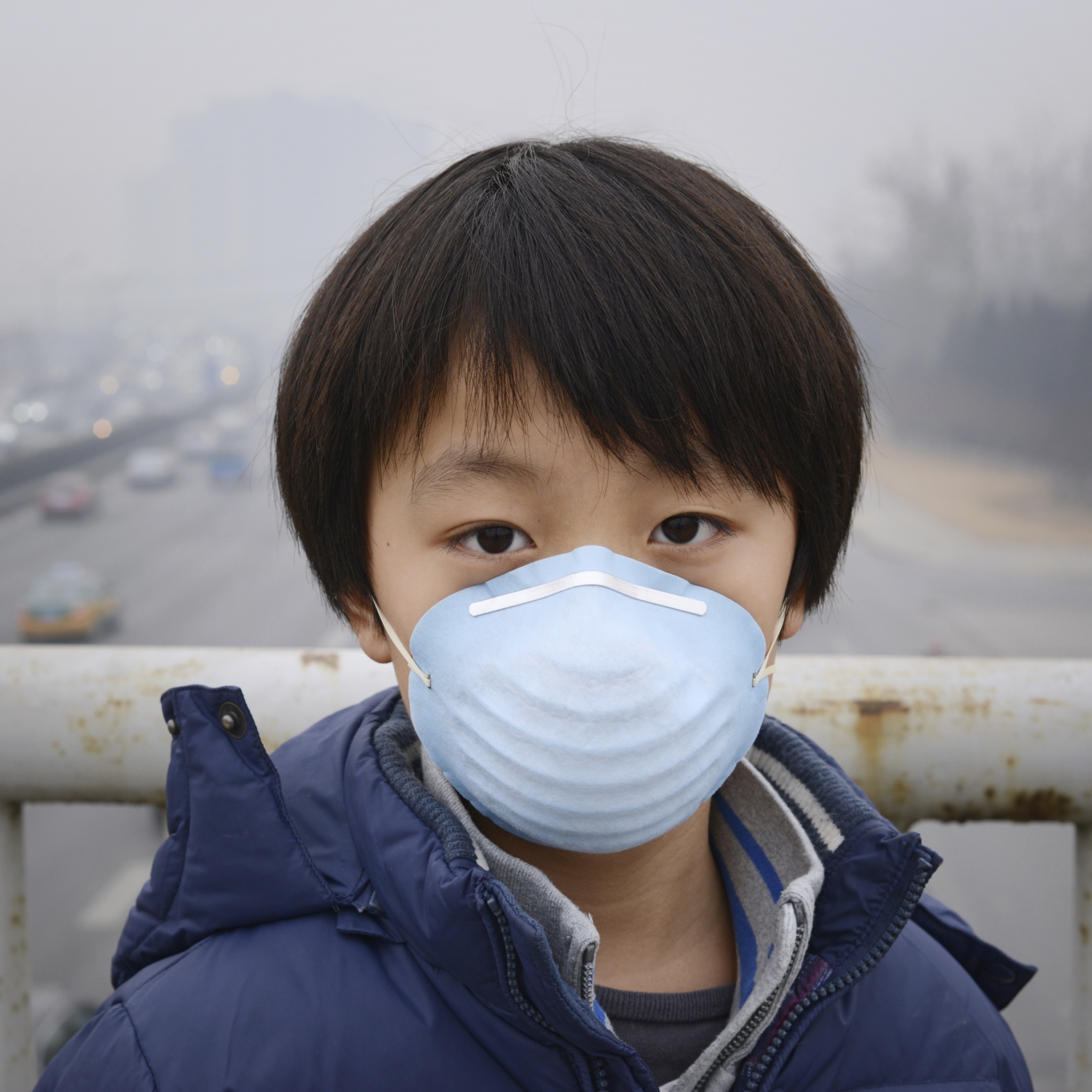
The Economic Times reports: “In a letter to chief secretaries of Delhi, Haryana, Rajasthan and Uttar Pradesh, EPCA Chairman Bhure Lal said, “The air quality in Delhi and NCR deteriorated further last night and is now at the severe plus level. We have to take this as a public heath emergency as it will have adverse health impacts on all, particularly our children.”

According to 24/7 Wall St.’s 25 “Most Polluted Cities in the World”, New Delhi is the fifth most polluted city. “Delhi, India is the second most polluted city in India and the fifth most polluted in the world. The average level of concentration of PM2.5 in Delhi is 122 micrograms per cubic meter of air. PM 2.5 air pollution is nearly seven times more concentrated in Delhi than it is in Visalia-Porterville, California, the most polluted metro area in the United States,” the 24/7 analysis shows.

The 24/7 article added, “Heavy industrialization and a rising standard of living are the most common causes of high concentrations of air pollution in the cities on this list — though they are not the only culprits. In some of the most polluted cities, high concentrations of fine particulates in the air are the result of lacking or non-existent public works infrastructure, such as sewage systems.”

There is no sign that in the world’s most polluted cities that there is any significant effort to improve air quality levels. Factories, automobiles, and the fuel used to heat homes and cook are either hard to regulate or are essential parts of the economy, and cannot be restricted for financial reasons.




Photo of Douglas A. McIntyre
About the Author Douglas A. McIntyre →

Douglas A. McIntyre is the co-founder, chief executive officer and editor in chief of 24/7 Wall St. and 24/7 Tempo. He has held these jobs since 2006.

McIntyre has written thousands of articles for 24/7 Wall St. He is an expert on corporate finance, the automotive industry, media companies and international finance. He has edited articles on national demographics, sports, personal income and travel.

His work has been quoted or mentioned in The New York Times, The Wall Street Journal, Los Angeles Times, The Washington Post, NBC News, Time, The New Yorker, HuffPost USA Today, Business Insider, Yahoo, AOL, MarketWatch, The Atlantic, Bloomberg, New York Post, Chicago Tribune, Forbes, The Guardian and many other major publications. McIntyre has been a guest on CNBC, the BBC and television and radio stations across the country.

A magna cum laude graduate of Harvard College, McIntyre also was president of The Harvard Advocate. Founded in 1866, the Advocate is the oldest college publication in the United States.

TheStreet.com, Comps.com and Edgar Online are some of the public companies for which McIntyre served on the board of directors. He was a Vicinity Corporation board member when the company was sold to Microsoft in 2002. He served on the audit committees of some of these companies.

McIntyre has been the CEO of FutureSource, a provider of trading terminals and news to commodities and futures traders. He was president of Switchboard, the online phone directory company. He served as chairman and CEO of On2 Technologies, the video compression company that provided video compression software for Adobe’s Flash. Google bought On2 in 2009.

Featured Reads

Our top personal finance-related articles today. Your wallet will thank you later.

Continue Reading

Top Gaining Stocks

CBOE Vol: 1,568,143
PSKY Vol: 12,285,993
STX Vol: 7,378,346
ORCL Vol: 26,317,675
DDOG Vol: 6,247,779

Top Losing Stocks

LKQ
LKQ Vol: 4,367,433
CLX Vol: 13,260,523
SYK Vol: 4,519,455
MHK Vol: 1,859,865
AMGN Vol: 3,818,618