


 The Intergovernmental Panel On Climate Change, a program supported by the UN, has released its new forecast for the use of renewal energy in 2050. It has hardly worth reading except that it shows the great waste academic and research organizations will create when they look decades into the future.
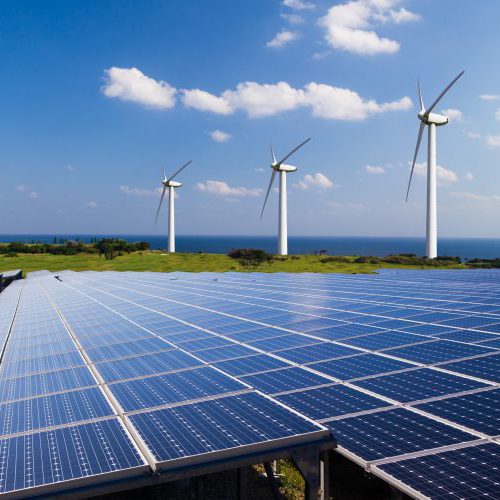
The new report says that nearly 80% of the world’s energy supply could be met by renewable energy by mid-century if the right public policies are undertaken. The odds that public policy will drive an adoption of energy sources such as wind and solar are long.
Comments in the report which was created by what is called Working Group III can be summed up in a short quotation:
Ramon Pichs, Co-Chair of the Working Group III, added: ―The report shows that it is not the availability of the resource, but the public policies that will either expand or constrain renewable energy development over the coming decades. Developing countries have an important stake in this future—this is where most of the 1.4 billion people without access to electricity live yet also where some of the best conditions exist for renewable energy deployment.
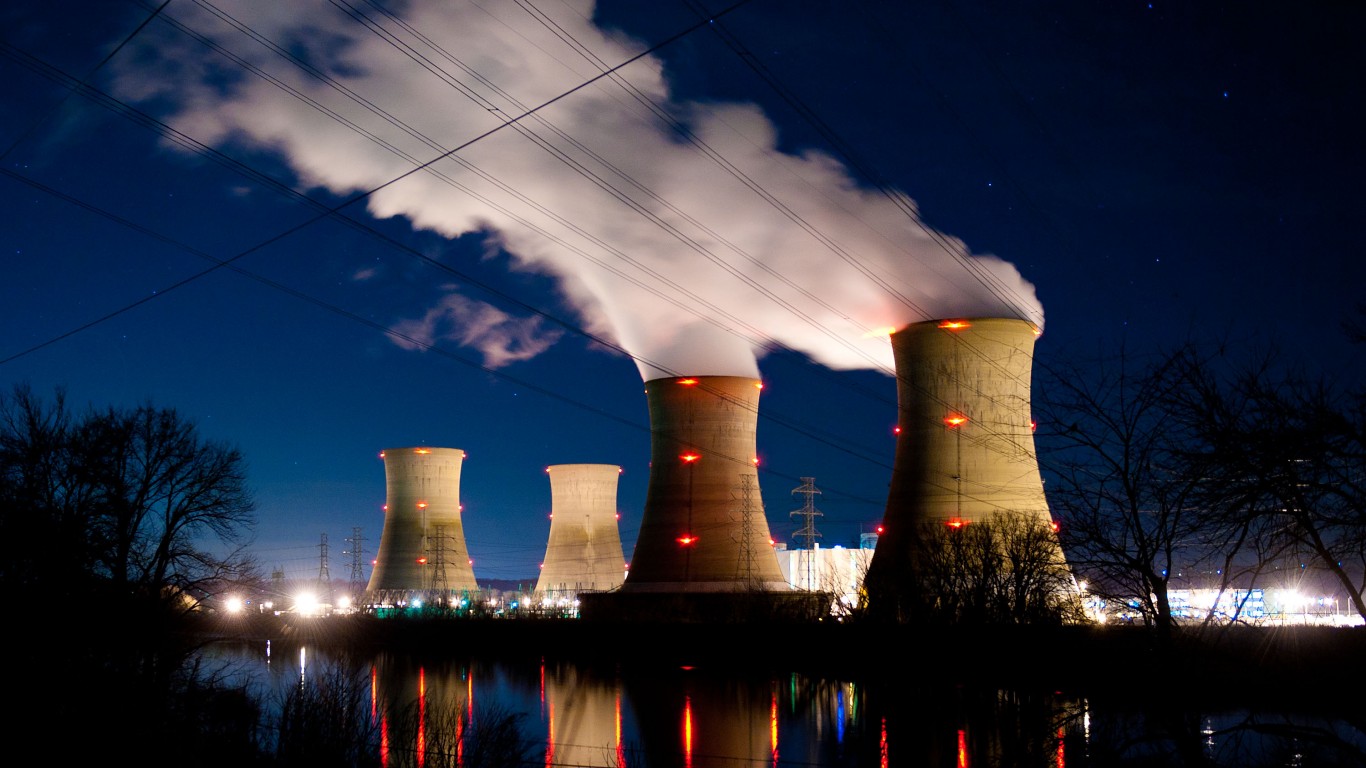
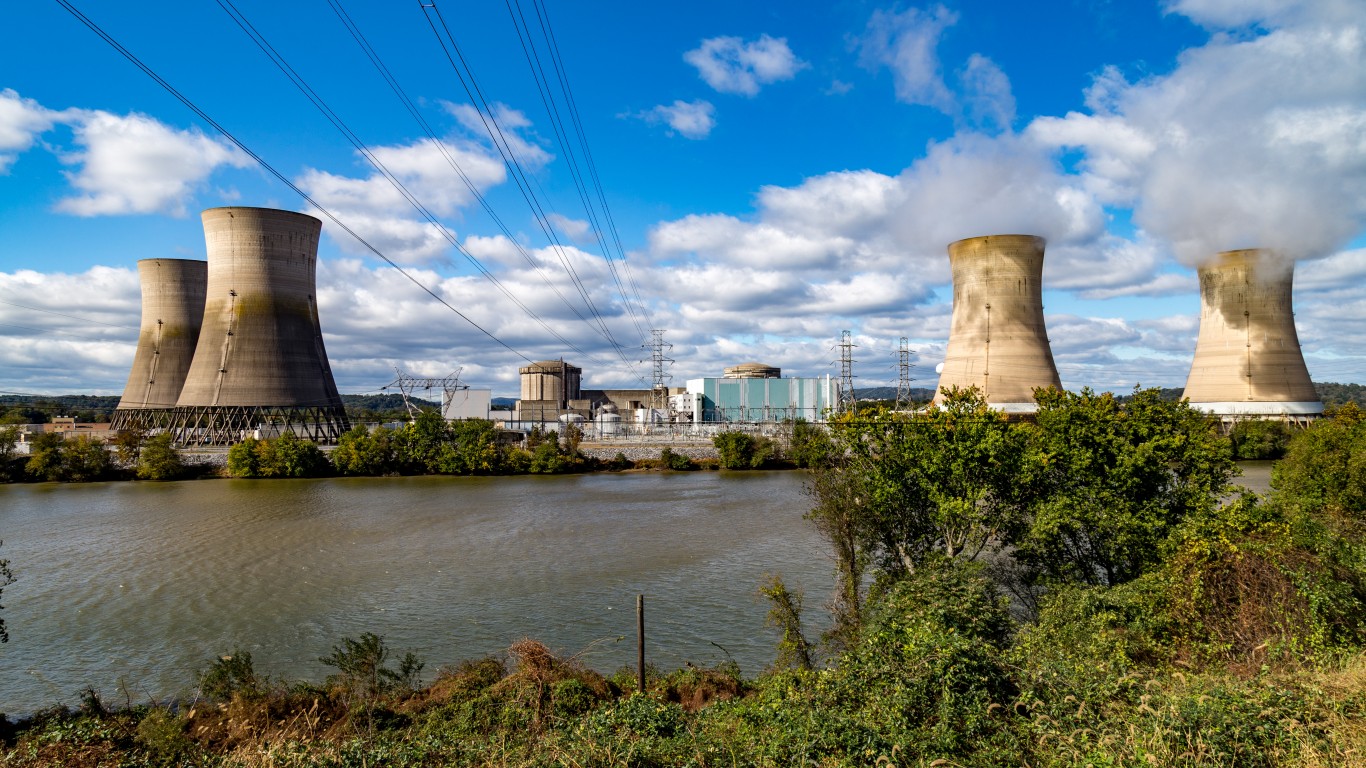
There are several hurdles to the group’s goals. The first is that so much of the global energy infrastructure is dominated by fossil fuel transportation and use. The price of oil has risen steadily over the last five months, but that alone will not quickly alter the use of cars, petrochemicals, and heating oil. Coal is also critical to the world’s energy needs, and that will be difficult to change. Trillions of dollars have been invested in the energy systems that use coal and oil. Trillions more would need to be spent to convert that same structure to renewable power. Nuclear power could be part of an overall solution, but the Japan situation could push the day when nuclear energy is acceptable in some nations further into the future than it was until recently.
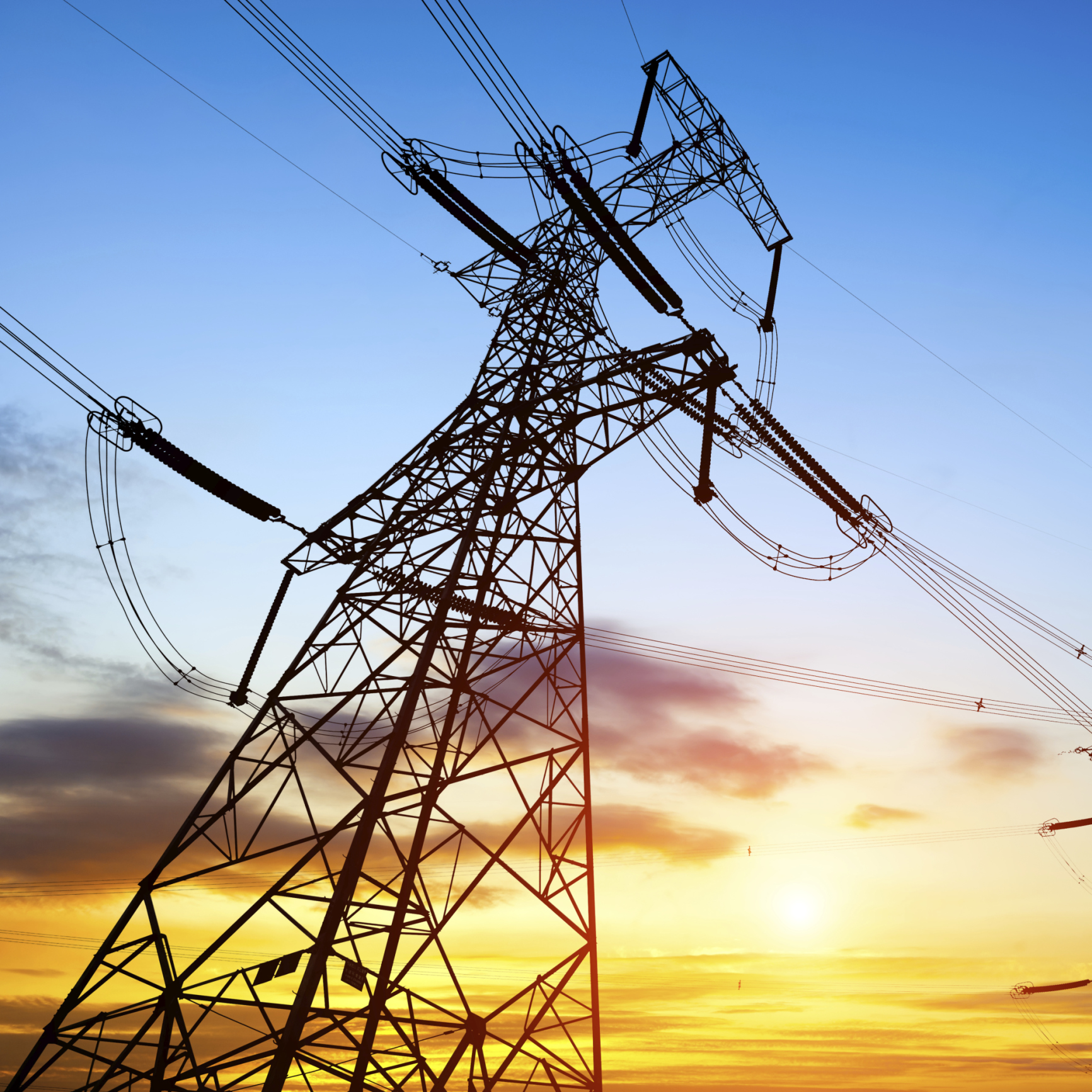
The first and most significant challenge to renewable energy is its cost. That cost is divided into several categories. The most important is that solar and wind power, among the most promising sources of green energy, are still inefficient because they are not cheap. Wind farms are expensive to build. It is even more expensive to move the energy created from renewable sources to places where it is most needed to offset fossil fuel use.
More critical is the access that the energy they create has to the inefficient energy grids in most countries. The updating of the US energy grid and its expansion to regions where renewable sources are likely to be placed are well beyond the financial means of the federal government.
The idea that renewable power can overtake the use of fossil fuels has potential. Its costs and the need of governments to underwrite those costs make the transformation extremely unlikely.
Douglas A. McIntyre









 Top Gaining Stocks
 Top Losing Stocks