Wind Power Faces Troubled Future

Photo of Douglas A. McIntyre
By Douglas A. McIntyre Published
This post may contain links from our sponsors and affiliates, and Flywheel Publishing may receive compensation for actions taken through them.

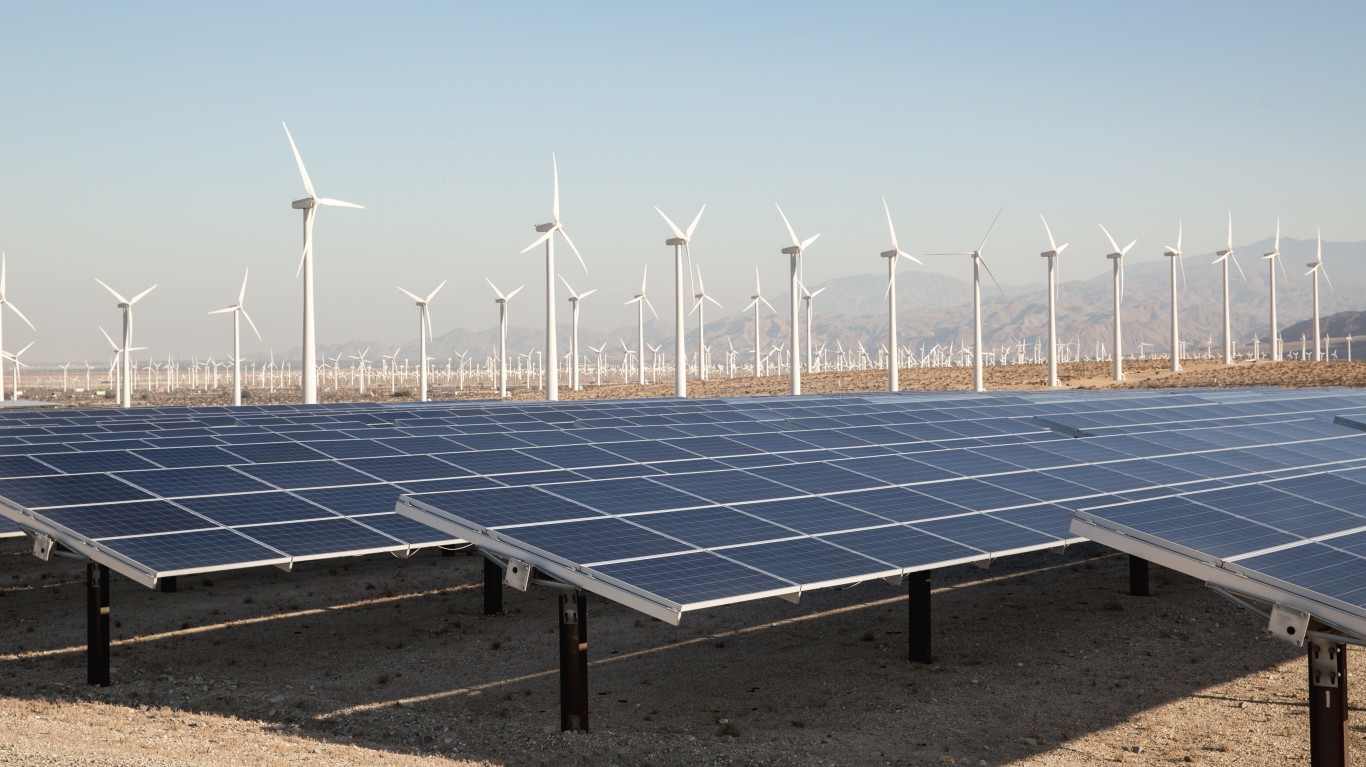
The U.S. Department of Energy has laid out its case for an expanded role of wind power in America’s future. One of the most important aspects of the “Wind Vision: A New Era of Wind Power in the United States” report is that the growth of the industry stands outside most government control, because the future of the technology faces threats, particularly the interest of private enterprise, which may not change even if the public sector supports it.

According to the report’s authors:

The report includes a roadmap that defines actions needed to realize the substantial economic and social benefits of a robust wind energy future. Through continued cost reductions and further investments in wind energy systems, wind power is projected to be directly competitive with conventional energy technologies within the next decade.

So, this vision depends on whether the forecast of “directly competitive” and “further investments” hold true over time. Also, the research relies on analysis open to serious question:

The report also highlights the public health and environmental benefits of wind today and into the future. As a clean energy source, wind power could displace more than 12.3 gigatonnes of greenhouse gas emissions by 2050, equating to a global economic value of $400 billion. Additionally, growth in the wind sector could lower the cumulative electric sector expenditures by $149 billion by 2050.

Large energy companies still primarily rely on traditional sources of energy, and experiments with wind power are just that — experiments. Pollution problems have not changed industry “green practices” either.

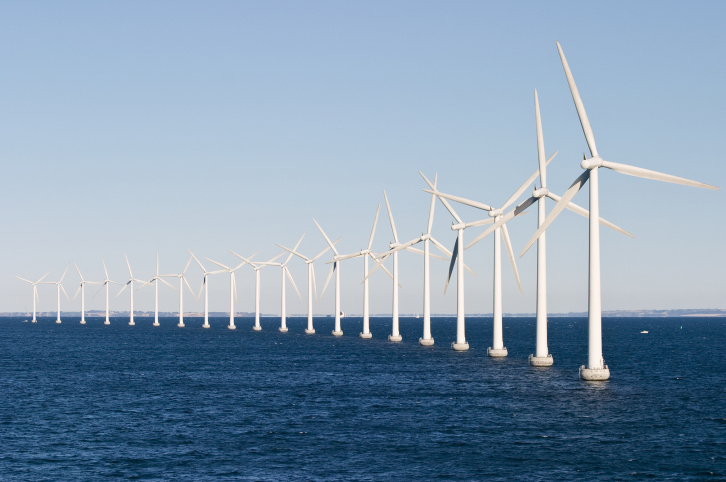
Wind power advocates imaging a time when wind farms will dot the coast and the flat lands of the country, where wind propellers can be placed and will thrive. However, around the energy sector, coal and oil continue to be shipped to refineries and plants. For the industry to move away from the investment in this infrastructure, and along with it the belief that it is efficient, seems impossible, probably for decades.

ALSO READ: 4 Merrill Lynch Alternative Energy Stocks to Buy Now

Photo of Douglas A. McIntyre
About the Author Douglas A. McIntyre →

Douglas A. McIntyre is the co-founder, chief executive officer and editor in chief of 24/7 Wall St. and 24/7 Tempo. He has held these jobs since 2006.

McIntyre has written thousands of articles for 24/7 Wall St. He is an expert on corporate finance, the automotive industry, media companies and international finance. He has edited articles on national demographics, sports, personal income and travel.

His work has been quoted or mentioned in The New York Times, The Wall Street Journal, Los Angeles Times, The Washington Post, NBC News, Time, The New Yorker, HuffPost USA Today, Business Insider, Yahoo, AOL, MarketWatch, The Atlantic, Bloomberg, New York Post, Chicago Tribune, Forbes, The Guardian and many other major publications. McIntyre has been a guest on CNBC, the BBC and television and radio stations across the country.

A magna cum laude graduate of Harvard College, McIntyre also was president of The Harvard Advocate. Founded in 1866, the Advocate is the oldest college publication in the United States.

TheStreet.com, Comps.com and Edgar Online are some of the public companies for which McIntyre served on the board of directors. He was a Vicinity Corporation board member when the company was sold to Microsoft in 2002. He served on the audit committees of some of these companies.

McIntyre has been the CEO of FutureSource, a provider of trading terminals and news to commodities and futures traders. He was president of Switchboard, the online phone directory company. He served as chairman and CEO of On2 Technologies, the video compression company that provided video compression software for Adobe’s Flash. Google bought On2 in 2009.

Featured Reads

Our top personal finance-related articles today. Your wallet will thank you later.

Continue Reading

Top Gaining Stocks

CBOE Vol: 1,568,143
PSKY Vol: 12,285,993
STX Vol: 7,378,346
ORCL Vol: 26,317,675
DDOG Vol: 6,247,779

Top Losing Stocks

LKQ
LKQ Vol: 4,367,433
CLX Vol: 13,260,523
SYK Vol: 4,519,455
MHK Vol: 1,859,865
AMGN Vol: 3,818,618