


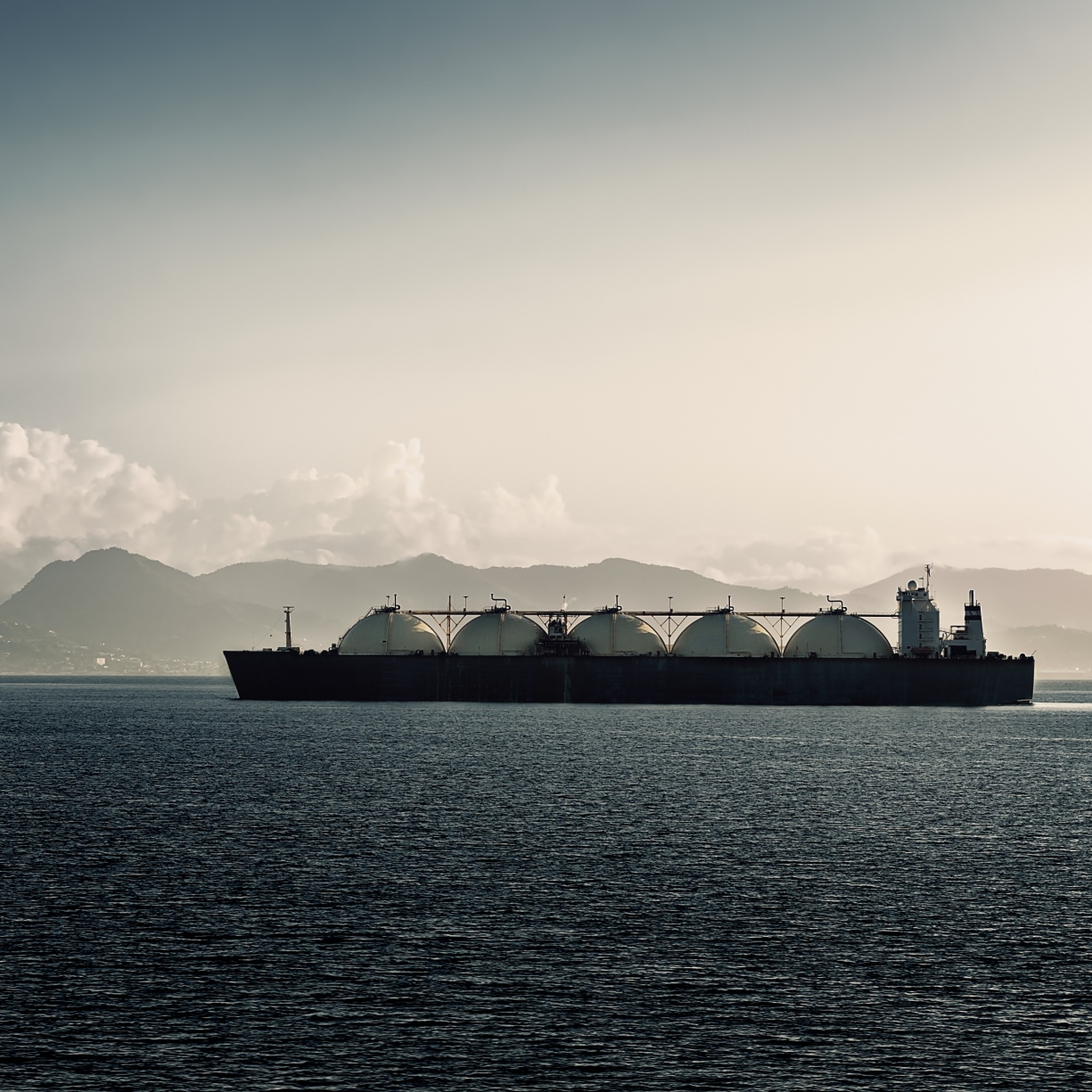
BG is the world’s largest independent liquefied natural gas (LNG) producer and claims natural gas reserves totaling about 6.3 trillion cubic feet. Much of the company’s reserves and expertise are in deepwater and in natural gas liquefaction and transportation. Shell becomes the world’s largest producer of LNG with this deal.
What Shell has done is make an acquisition that will do more than move the needle a tick or two on its future revenues and profits. The last really big deal of this kind was Exxon Mobil Corp.’s (NYSE: XOM) $40 billion acquisition of natural gas producer XTO Energy in 2009. That deal made Exxon the largest natural gas producer in the United States.
Supermajor oil companies like Shell and Exxon need big deals like this one to make an appreciable difference in their growth. That is one reason such acquisitions are rare in the energy — there are not many buyers and not many targets.
Wednesday’s acquisition boosts Shell’s proved oil and gas reserves by 25% and adds new massive LNG and oil projects in waters offshore of Australia and Brazil. That is an additional 3.25 billion barrels of oil equivalent on top of Shell’s approximately 13 billion barrels of reserves at the end of 2014. This is no small beer.
Another way to look at it is that Shell is paying about $21.50 per barrel of oil equivalent. And that is per barrel of proved reserves, not possible or probable reserves.
While natural gas sells for less than $3 per thousand cubic feet in the United States, buyers in Asia often pay five to six times that, and each barrel of oil equivalent is equal to around 6,000 cubic feet. So figure $15 per thousand cubic feet times six — that is $90 per barrel of oil equivalent. Of course there are the liquefaction costs, but any way we look at, Shell is getting a good deal.
Shell is paying BG shareholders 383 pence (about $5.73) and 0.4454 Shell B shares per share of BG stock. That amounts to about 1,367 pence (about $20.44) a share. Once the transaction is completed, current BG shareholders will own approximately 19% of Shell.
Shell’s B shares traded down about 5.8% early Wednesday morning, at $61.68 in a 52-week range of $59.33 to $88.13.





 Top Gaining Stocks
 Top Losing Stocks