



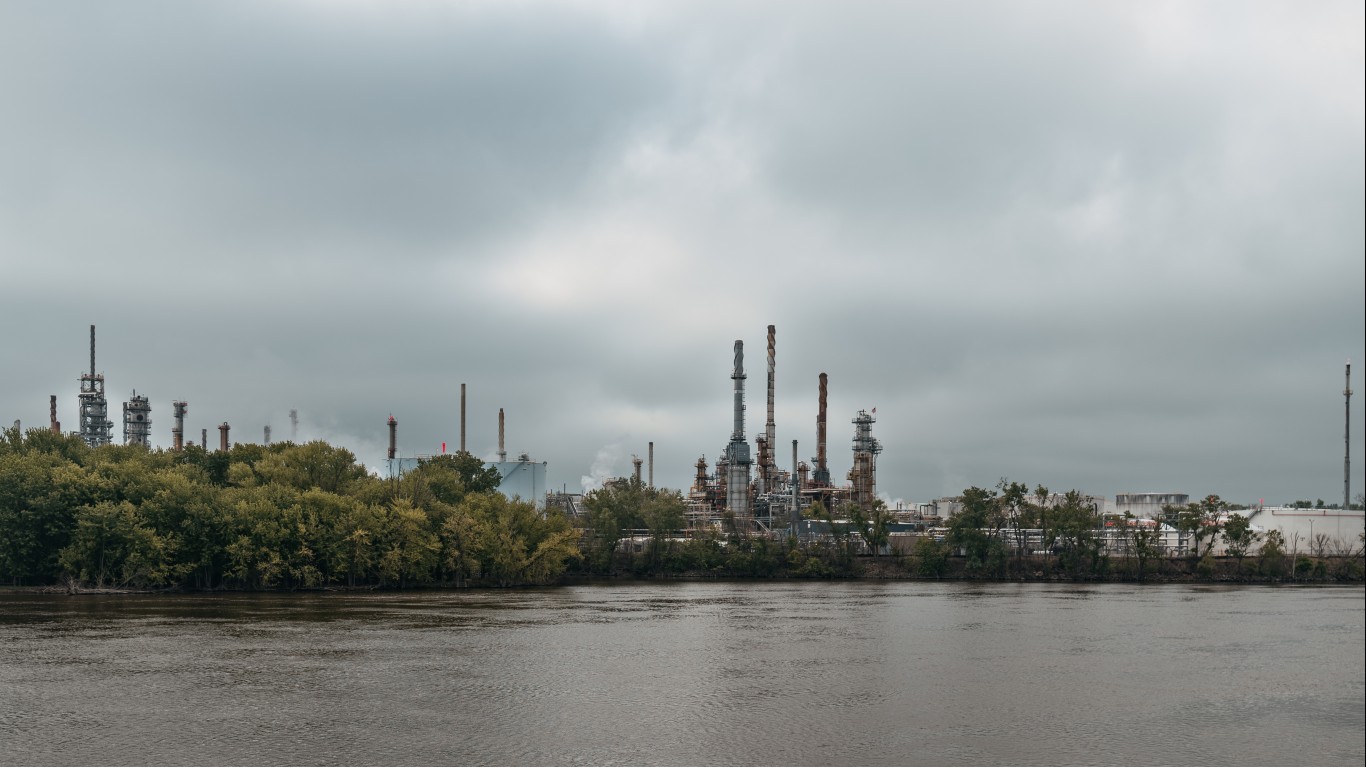
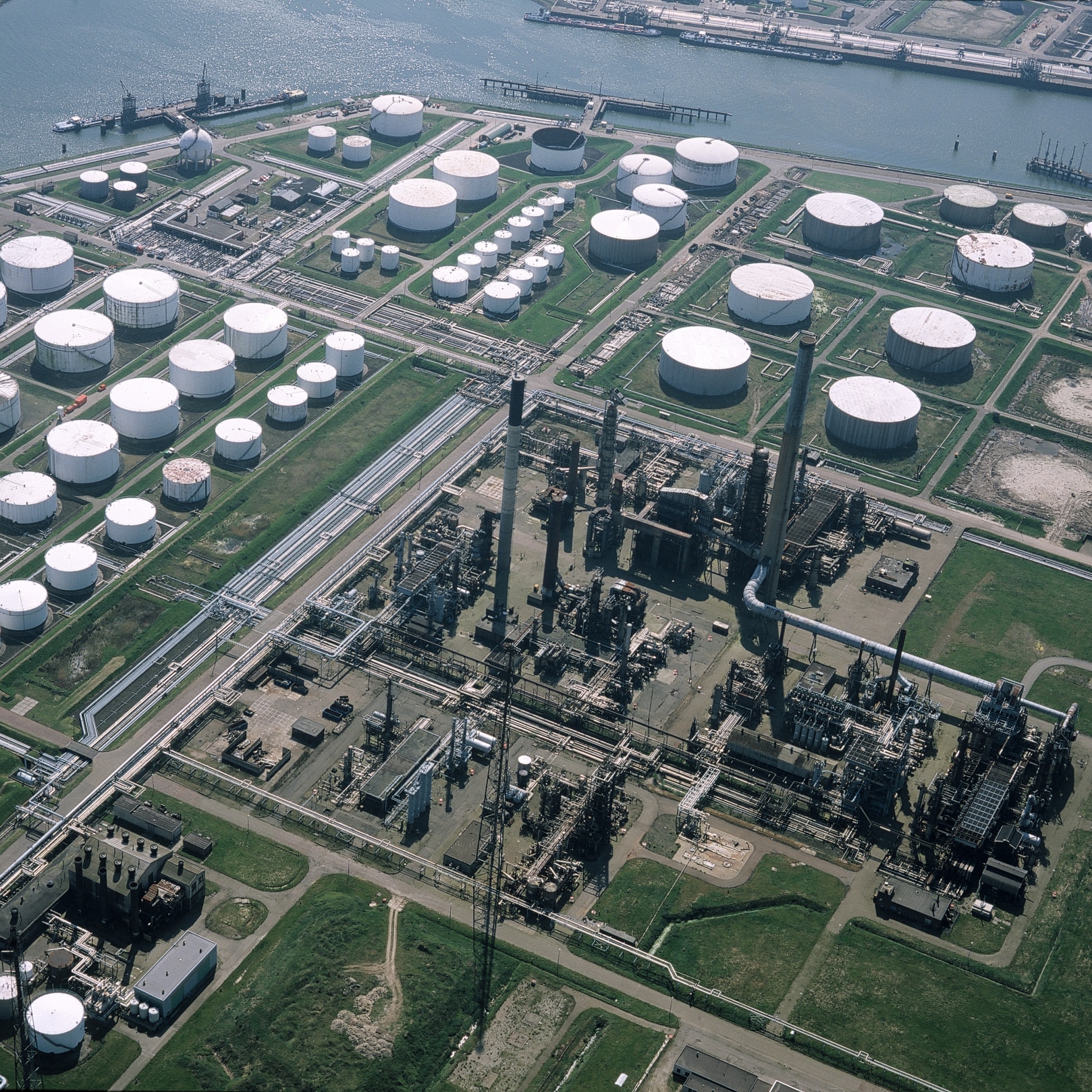
The country has four refineries — five counting one in Macedonia owned by Hellenic Petroleum, Greece’s largest refiner — that produced about 575,000 barrels a day. In 2012, Greece’s four refineries contributed an estimated 2% of the country’s total gross domestic product and provided more than 40,000 jobs to the domestic economy, most in the wholesale and retail sectors. Most of the country’s refined product exports are sent to customers outside the European Union, and the 38% of export revenue the refiners generate more than quadrupled in 10 years.
The bad news for Greece always has been that it needs to import essentially all the crude oil that it runs through its refineries. In 2012 the import price fluctuated around $111 per barrel. For the period between 2005 through 2013, the benchmark margin for refineries in the Mediterranean region averaged around $5 a barrel, but by the end of 2013 that margin had dropped to just over $1 a barrel.
The domestic market for refined products dropped by 41% between 2008 and 2013, with the biggest drops coming in demand for heating oil (down 70%) and gasoline (down 32%). On the international market, demand for Greece’s refined products dropped by 29%, with the biggest decrease coming in heavy marine (bunker) fuel demand, down 31%.
ALSO READ: The Fallout of Greek Shame
The collapse in domestic demand for refined products forced the Greek refiners to look beyond its shores for customers — and they were quite successful. The country’s trade surplus in petroleum products more than doubled to nearly 59 million barrels in 2012, and the refining sector’s share of exports in production exceeded 50%.
As the government imposes a bank holiday and a limit on the amount of cash that Greek citizens may withdraw from their banks, domestic demand for gasoline and diesel fuel is likely to fall even further, making it even more important for the country’s economy to maintain its exports of refined products. But will it be able to get the credit it needs to purchase the crude oil it needs to run its refineries? That is the serious problem.






 Top Gaining Stocks
 Top Losing Stocks