


Benchmark West Texas Intermediate (WTI) crude oil dropped to $42.16 a barrel in overnight electronic trading Thursday, its lowest level in the past six years. By afternoon crude had climbed back to around $43.30, only to be felled again by the rig count report before settling at $42.74 for the day. Earlier in the week, the U.S. Energy Information Administration (EIA) updated its Short-Term Energy Outlook by lowering the agency’s estimated 2015 average price for Brent crude oil by a whopping $6.00 to $54.40 a barrel and lowered its estimate for the average WTI barrel to $49.62, from last month’s forecast of $55.51 a barrel. The EIA now forecasts the Brent crude price to average $59.42 a barrel in 2016, down $7.62 a barrel from the June estimate. The WTI price is forecast to average $5 a barrel below the Brent price.
ALSO READ: 4 Oil and Gas MLPs Still Raising Their Payouts to Holders
The pressure on OPEC and, particularly Saudi Arabia, is getting intense. The Saudis have already issued $5 billion in government bonds with plans for more bond sales as they try to balance a government budget based on a crude oil price of around $100 a barrel instead of $54 a barrel, the price of a barrel of OPEC’s reference basket in July. The Saudis have a stash of nearly $750 billion in the country’s sovereign wealth fund, but the International Monetary Fund recently estimated the Saudi government would run a fiscal deficit of $150 billion in 2015. At that rate the sovereign wealth fund will last just five years — and there is little reason to believe that American shale producers are all going to cave in over the next five years.
U.S. refineries were running at just over 96.1% of capacity again last week, equaling a 10-year high again, with daily input of about 17 million barrels a day, just 46,000 barrels a day less than the previous week. Imports rose sharply last week to around 7.6 million barrels a day, about 393,000 barrels a day more than the prior week.
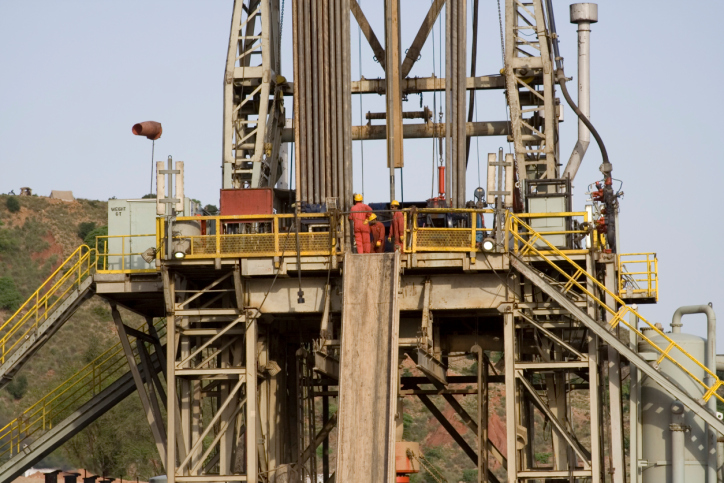
The number of rigs drilling for oil in the United States is down by 917 year over year, but rose by two week over week. The natural gas rig count decreased by two to a total of 211. The count for natural gas rigs is down by 110 year over year.
Gasoline stockpiles decreased by 1.3 million barrels last week.
ALSO READ: 3 Drilling Stocks to Buy Ahead of 2016 Recovery
Hedge funds — under the Managed Money heading in the Commodity Futures Trading Commission (CFTC) Commitments of Traders report — added to their short positions last week by 15,851 contracts and added to their long positions by 11 contracts. The movement reflects changes as of the August 11 settlement date. Managed money holds 251,147 long positions, compared with 151,015 short positions. The addition of short positions marks the fourth time in the past five weeks that hedge funds have gone short.
Among the producers themselves, short positions outnumber longs, 299,095 to 167,169. The number of short positions last week fell by 44,174 contracts and longs dropped 167,179 positions. Positions among swaps dealers show 306,614 shorts versus 206,105 longs. Swaps dealers cut 11,754 contracts from their short positions last week and added 7,175 short contracts.
Among the states, Louisiana and Oklahoma each lost four rigs last week, New Mexico and North Dakota each lost two and Ohio, Pennsylvania and West Virginia each lost one. Texas added six rigs, Alaska added three and Colorado, Kansas and Wyoming each added two. Arkansas, California and Utah rig counts were unchanged.
In the Permian Basin of west Texas and southeastern New Mexico, the rig count rose by one to 255. The Eagle Ford Basin in south Texas added three to bring its count to 101, while the Williston Basin (Bakken) in North Dakota and Montana now has 70 working rigs, down two from the prior week.
ALSO READ: Why Chicago Gas Price Spike Spells More Pain for Oil Producers
Enterprise Products Partners L.P. (NYSE: EPD) lists a posted price of $38.95 per barrel for WTI and an August 15 price of $31.96 a barrel for North Dakota Light Sweet. The posted price for a barrel of Eagle Ford crude is $38.91. All prices are around $1.50 a barrel lower than they were a week ago and have dropped by about $8 a barrel in the past month.
The pump price of gasoline increased week over week. Saturday morning’s average price in the United States is $2.667 a gallon, up about 2.4% from $2.605 a week ago. A refinery outage in Indiana has taken about 250,000 barrels a day out of refinery runs.










 Top Gaining Stocks
 Top Losing Stocks