


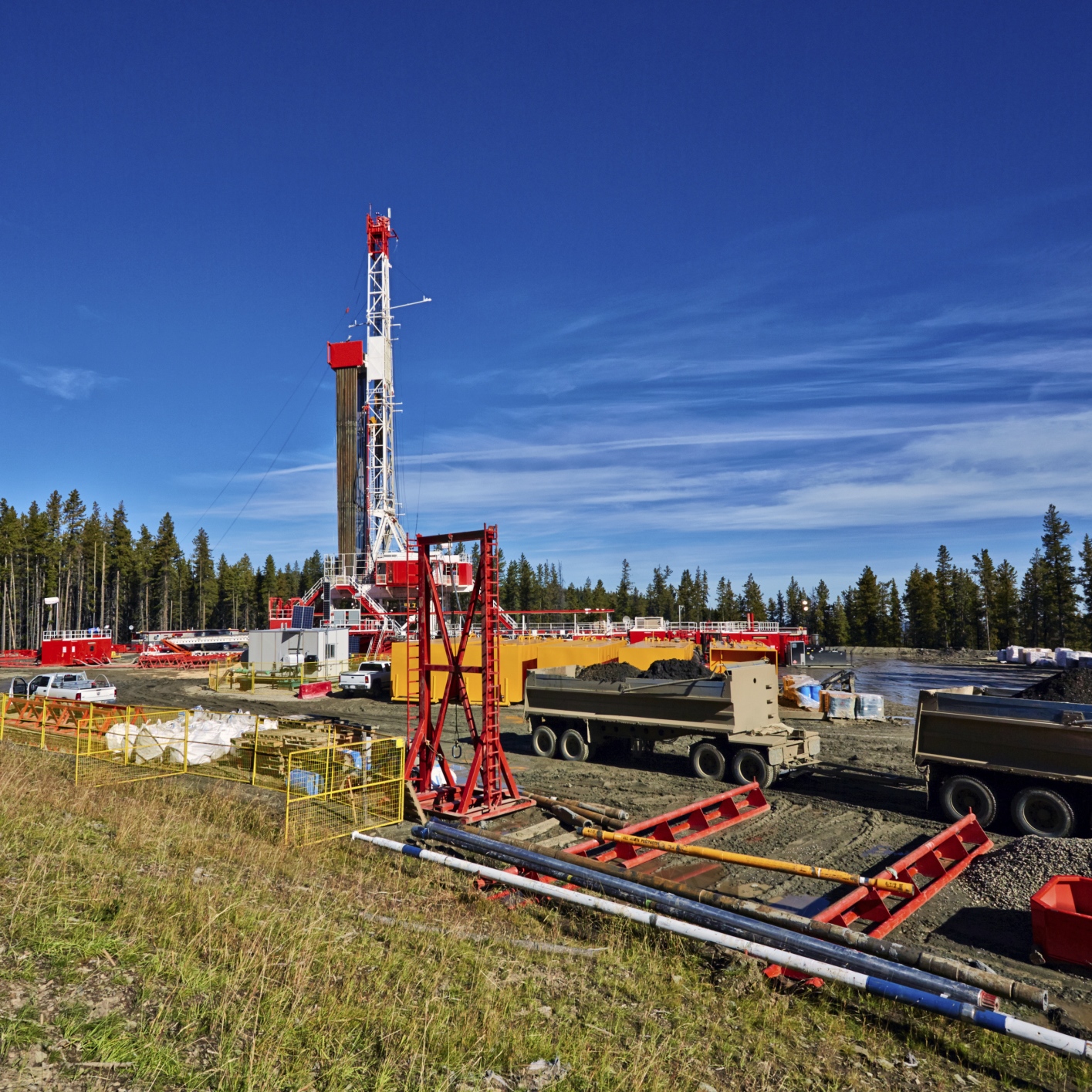
By now, investors know that the low prices for crude oil and natural gas, while they may be welcomed by consumers, are putting enormous pressure on the exploration and production (E&P) companies that produce the hydrocarbons. Controlling capital spending (capex) is one of the main ways the E&P companies can control cash flow. The longer prices remain low, the more difficult this becomes.
A new report from IHS concludes that in addition to the capex cuts already estimated for 2016, E&P companies need to slash another $24 billion, or 30% of the total. That represents a cut of roughly 50% from 2015 capital spending levels.
According to IHS, capex totaled an estimated $101 billion in 2015, and the firm’s current estimate for 2016 calls for spending of $78 billion. Whacking $24 billion from that leaves just $54 billion for the 44 North American E&P companies included in the IHS calculation.
Paul O’Donnell, principal analyst at IHS Energy, said:
Given that most companies made preliminary 2016 spending plans when the price outlook was comparatively higher, we expect to see further spending cuts announced throughout the fourth-quarter 2015 earnings cycle that reflect the current price environment.
In IHS’s low-case scenario, where crude sells for $40 a barrel and natural gas sells for $2.50 per thousand cubic feet, projected capex for 2016 is equal to 188% of cash flow. The historical average is about 130%.
[nativounit]
The large E&Ps like Exxon Mobil and Chevron are projected to spend 195% of cash flow, and smaller E&P companies are expected to spend 174%. And while the larger firms are less exposed to hedging, their balance sheets are considerably stronger than those of the small companies.
Even though the smaller firms have comparatively stronger hedging positions, they have already accumulated so much debt that further borrowing may be out of the question, which leaves them very few options. The obvious ones are asset sales, staff firings and, worst of all, bankruptcies.
O’Donnell notes:
These spending cuts will be particularly troublesome for the highly leveraged companies. These E&Ps are torn between slashing spending further to avoid additional weakening of their balance sheets, and the need to maintain sufficient production and cash flow to meet financial obligations.
Which companies are showing the most discipline? According to IHS, Concho Resources Inc. (NYSE: CXO), Whiting Petroleum Corp. (NYSE: WLL), WPX Energy Inc. (NYSE: WPX), Halcon Resources and PDC Energy Inc. (NASDAQ: PDCE).







 Top Gaining Stocks
 Top Losing Stocks