


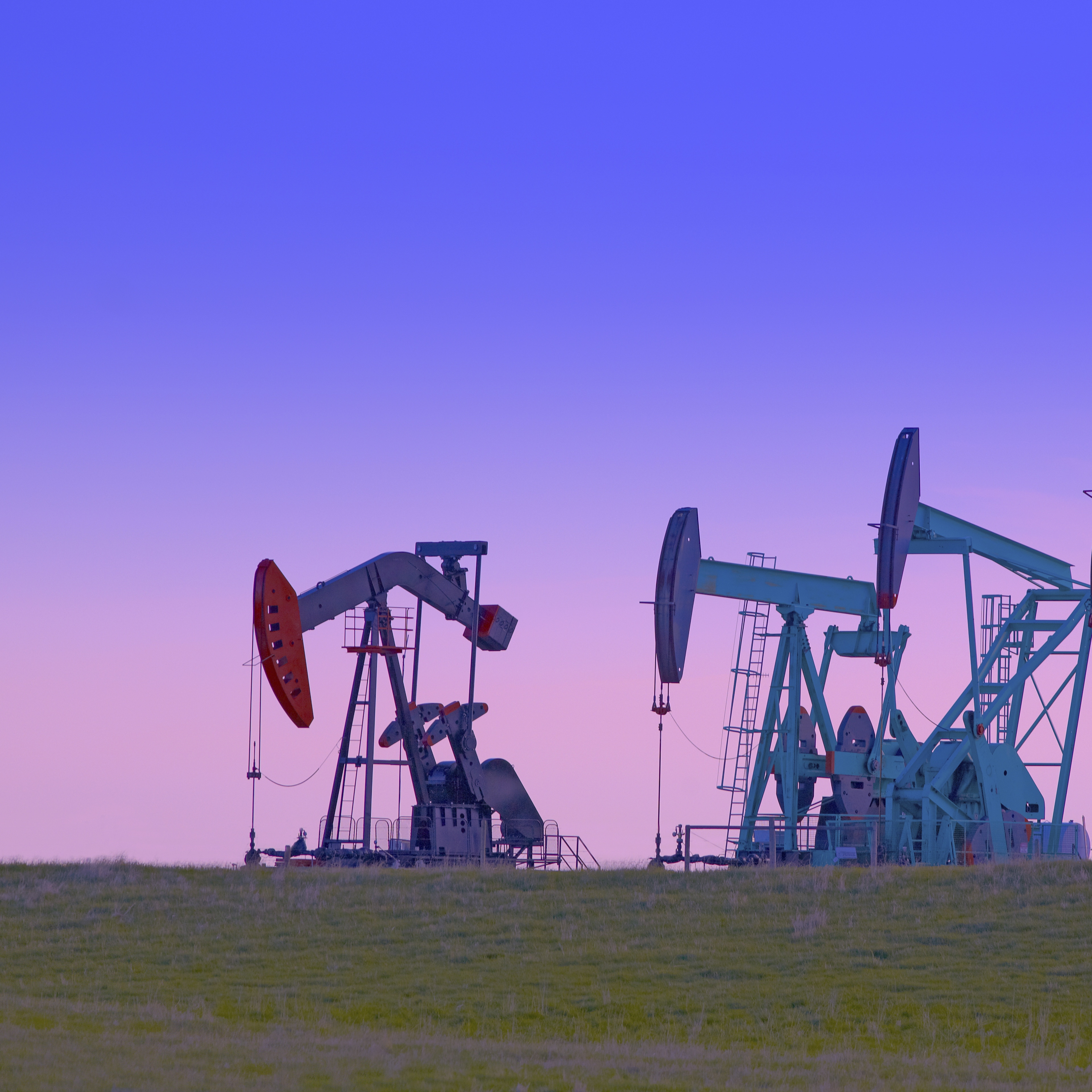
U.S. oil production for 2015 from shale formations is expected to reach 5.2 million barrels of oil equivalent per day. By 2020 the shale total is forecast to reach 8 million barrels a day. By sometime around 2019, the United States is expected to be self-sufficient in liquids production.
The compound annual growth rate production from shale plays calls for a 2015 to 2017 increase of just 2%, but that rises to 12% for the period to 2020. From total hydrocarbon production of around 15.2 million barrels of oil equivalent per day in 2015, U.S. production is expected to grow to around 22 million barrels a day.
The data and conclusions were reported Tuesday by industry research firm Rystad Energy. The data are reported only for North American shale plays.
To reach these levels, Rystad forecasts that investment in shale plays will rise from less than $100 billion in 2015 to reach about $170 billion in 2020. That is about equal to the investment level in 2014. The researchers expect 2016 investment to fall by about 35% to around $60 billion before beginning to rise again in 2017.
[recirclink id=314206]
In 2016 Rystad predicts investment will be greatest in the Eagle Ford play in South Texas ($11 billion) followed by investments of $7 billion in each of the Permian Midland, Bakken and Permian Delaware shale plays. The Marcellus play in Pennsylvania is expected to see $6 billion in 2016 investment, the Niobrara will get $4 billion in new investment and Canada’s Montney shale should also see new investment totaling $4 billion.
Rystad also benchmarked well costs for three large U.S. producers. EOG Resources Inc. (NYSE: EOG), one of the largest producers in the Eagle Ford play, spent an average of $6.7 million per well in 2015, and the company’s well cost per barrel of oil equivalent is $8.60, based on the number of barrels it expects ultimately to recover. Encana Corp. (NYSE: ECA) is the largest producer in the Montney play and its per barrel costs are identical with EOG’s. Anadarko Petroleum Corp. (NYSE: APC) is the largest producer in the Niobrara shale play and its per barrel costs total $10.60. Total per barrel costs are computed on the number of barrels per lateral foot and the number of feet drilled per day.









 Top Gaining Stocks
 Top Losing Stocks