


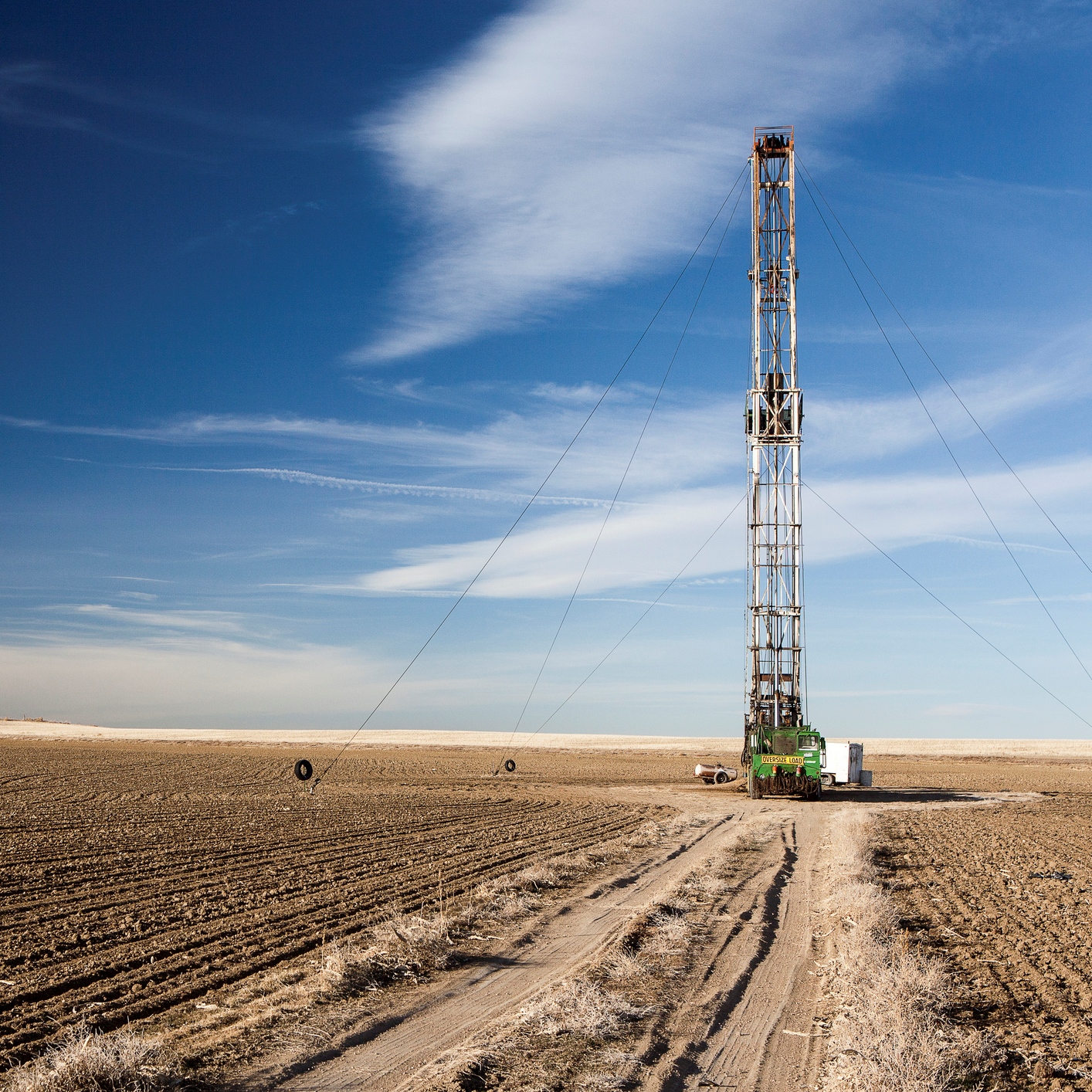
Even though U.S. crude oil inventories have been declining in recent weeks, the drop has not been sufficient to boost the price of crude back to around $50 a barrel. Benchmark West Texas Intermediate (WTI) last traded at that level in late May and has followed a downward trend line to near $42 a barrel by early Thursday morning.
U.S. shale producers continue to boost output, new rigs continue to be added and, perhaps most important, producer break-even prices keep falling as new techniques are adopted to wring even more oil out of the tight shale plays.
In early May, energy industry consultancy Wood Mackenzie said that the average North American shale play’s breakeven price had fallen below $50 a barrel, with break-even prices in some fields (the Wolfcamp formation in the Permian Basin, for example) below $30 a barrel. A new report from Rystad Energy noted that break-even costs now average around $38 a barrel for 13 producers in the Bakken shale play, with the lowest cost producer being Continental Resources Inc. (NYSE: CLR) at around $28 a barrel.
[nativounit]
The improved economics are a function of two main factors: new drilling and well completions have been focused on the core areas (called high-grading in the industry) and more stimulation (fracking) stages. These factors have yielded improved initial (30-day) production (IP) rates per well to more than 1,500 barrels a day for Marathon Oil Corp. (NYSE: MRO), nearly 1,200 barrels a day for ConocoPhillips (NYSE: COP), more than 1,400 barrels a day for Continental and more than 1,300 barrels a day for Whiting Petroleum Corp. (NYSE: WLL).
In 2014, Marathon’s IP rate was less than 800 barrels a day, Conoco’s was just over 800 barrels, Continental’s less than 600 barrels and Whiting’s around 800 barrels.
High-graded well completions accounted for just over 50% of completed wells in 2014, compared with more than 80% in the first quarter of 2017. Companies are looking for oil where they most want to find it and they are being successful at it.
As for stimulation stages, Marathon enhanced its well completions by using more proppant (sand injected into the wells that props open the minute cracks that allow the oil to flow) and boosting the number of fracking stages to as many as 50 per well. Whiting has also raised its number of fracking stages to around 40 on new completions.
With Permian Basin economics already at a break-even point below $40 a barrel and Bakken economics now reaching the same level, the only thing that might slow a spot price drop to below $40 a barrel is a major storm in the Gulf of Mexico or some similar event.
WTI crude oil for August delivery traded at $42.75 Thursday morning, up about 0.5% from Wednesday’s close.
[wallst_email_signup]







 Top Gaining Stocks
 Top Losing Stocks