


The International Energy Agency (IEA) released Friday morning its latest Offshore Energy Outlook, outlining the agency’s current estimates of offshore energy production of oil, natural gas and wind power.
Offshore oil production has been steady at around 26 million to 27 million barrels a day over the past 10 years, while natural gas production has increased by 30% to more than a trillion cubic meters a day in the same period. That means the offshore oil’s share of a growing market for oil has fallen.
Partly that’s due to a lack of investment in expensive offshore projects following the collapse of crude oil prices in 2014, and partly it’s due to the rapid increase of onshore production, particularly in U.S. shale plays.
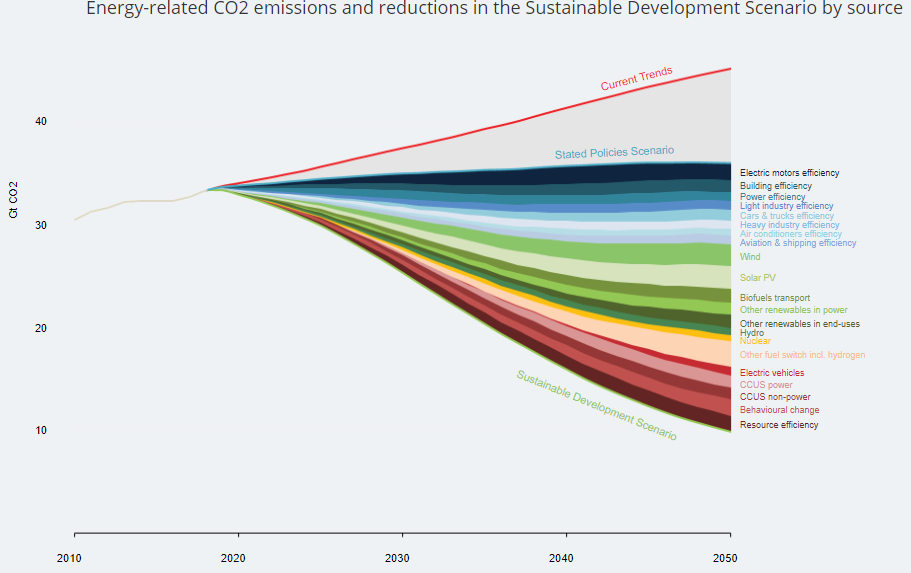
The IEA has estimated energy production in two scenarios. One, the New Policies Scenario, incorporates existing energy policies with the implementation of announced policy intentions. The other, the Sustainable Development Scenario, offers an integrated approach to achieving international climate change goals, air quality standards and universal access to “modern energy.”
[nativounit]
In 2016, offshore oil production totaled 26.4 million barrels a day and gas production totaled 17.5 million barrels of oil equivalent a day. Under the New Policies scenario, oil production rises to 27.4 million barrels while natural gas production rises to 29.6 million barrels in 2040. In the Sustainable Development scenario, oil production drops to 18.7 million barrels and natural gas production rises to 23.5 million barrels in the same time period.
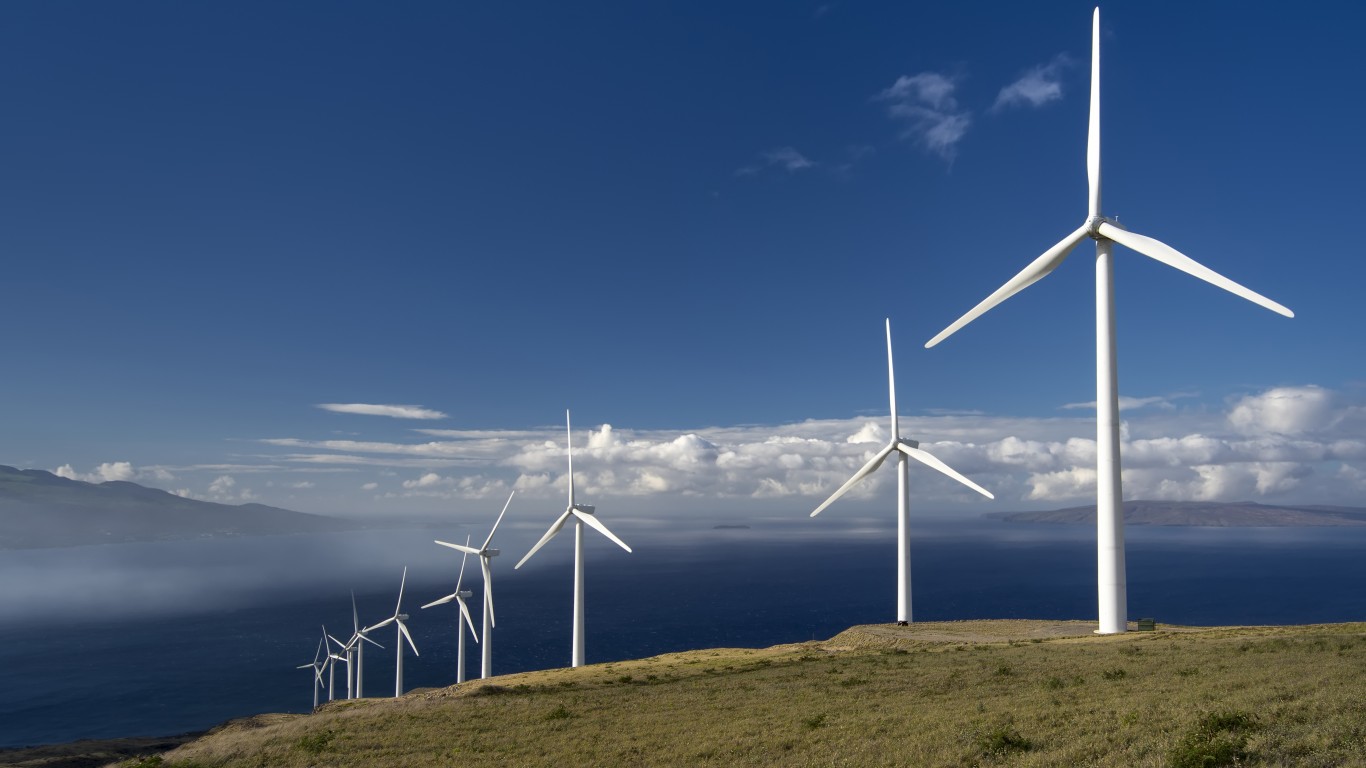
The big gainer is offshore wind, which generated about 45 terawatt-hours (TWh) in 2016. Under the New Policies scenario that rises to 583 TWh in 2040, and under the Sustainable Development scenario wind power generation reaches 1,217 TWh. Other technologies, such as wave-power generation, add 53 TWh under the New Policies scenario and 85 TWh under the Sustainable Development plan.
The total capital investment needed to reach the New Policies estimate is $5.9 trillion, while the Sustainable Development scenario requires capex of $4.6 trillion. In the former, investment in developing new sources of oil account for more than half of the spending, while in the later the split is roughly one-third each for oil, natural gas and electricity by 2040.
The IEA notes that offshore oil projects in the North Sea and the Gulf of Mexico that once required a crude oil price of $60 to $80 a barrel to break even now require a price of only $25 to $40 a barrel.
The Offshore Energy summary is available at the IEA website, along with a link to the full report.
[recirclink id=460673]
[wallst_email_signup]






 Top Gaining Stocks
 Top Losing Stocks