


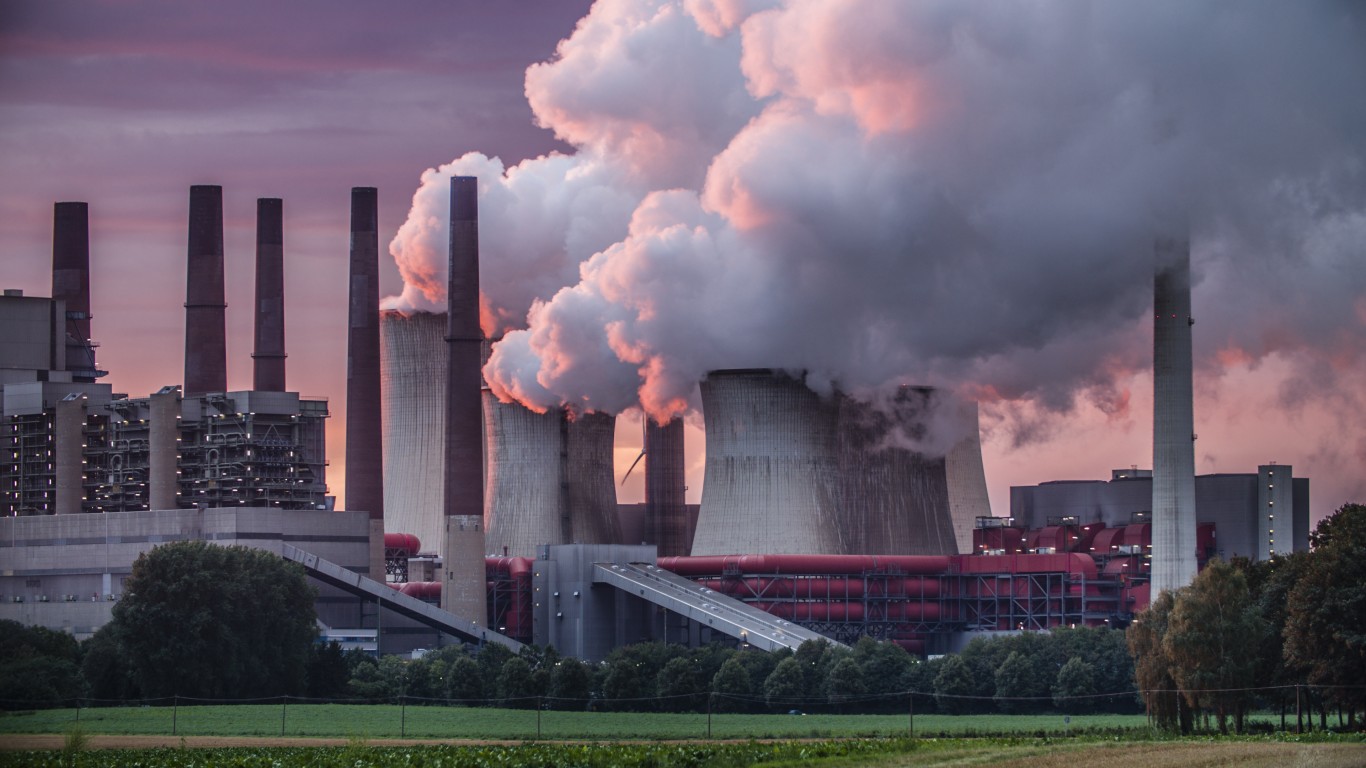
Regardless of the Trump administration’s efforts to boost coal burning to generate electricity, the fossil fuel that powered the Industrial Revolution is fading from the U.S. energy portfolio. But is it disappearing fast enough?
In 2018, renewable energy (primarily wind, solar and hydropower) accounted for 16% of all U.S. electricity generation. Natural gas is cleaner than coal, but still a fossil fuel that needs to be burned in order to release its energy. Burning natural gas emits about 40% less carbon dioxide than burning coal.
In the first half of 2018, 43% of new installed generating capacity was renewable. Impressive, but lower than the 46% installed in the first half of 2017. In the first half of 2017, about 20.5% of U.S. electricity generation was powered by renewables. That total rose to 21.6% in the first half of last year.
In early December, Xcel Energy Inc. (NASDAQ: XEL) announced that it planned to deliver 100% carbon-free electricity to its more than 4 million electricity and natural gas customers by 2050. The company’s interim goal is to reduce carbon emissions by 80% from 2005 levels by 2030. When it announced these goals, Xcel noted that the reductions by 2030 can be achieved affordably with current technology, but “achieving the long-term vision of zero-carbon electricity requires technologies that are not cost effective or commercially available today.”
[nativounit]
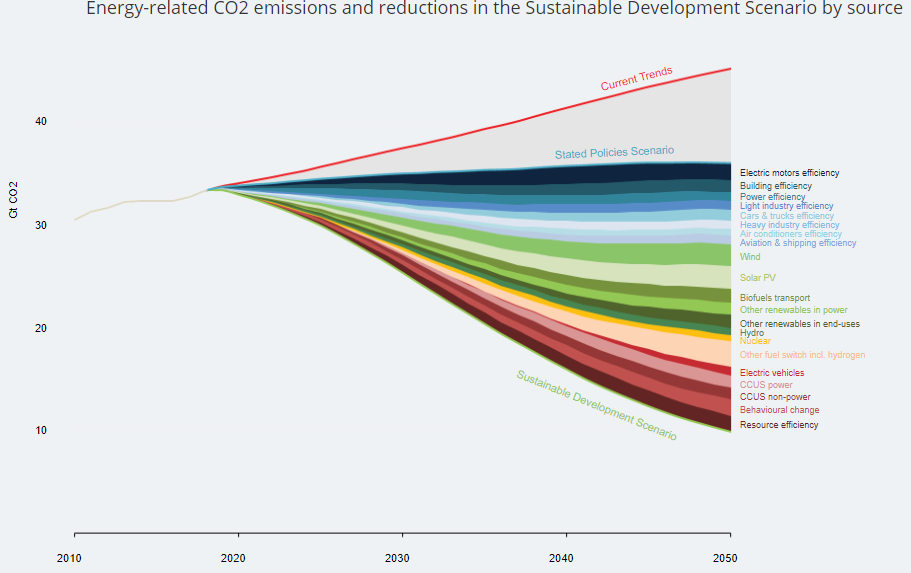
According to research firm Climate Analytics, even if every electric utility in the developed countries of the OECD and the European Union were to set and meet the same goal, it would be too late:
Our research shows that the EU and OECD countries must stop burning coal for electricity by 2030, China by 2040 and the rest of the world by mid-century in order to meet commitments made in Paris in the most cost-effective manner.
The Paris Agreement (2015) set a goal of emissions reductions that would limit global warming to 1.5 degrees Celsius. In a recent change to the agreement, the temperature limit was raised to 2.0 degrees Celsius with the 1.5-degree goal now a stretch.
In order to reach even the two-degree goal, one of the world’s largest consumers of coal — China — must stop burning the fuel by 2040 and every country must stop by 2050. That is unlikely to happen.
Is the planet doomed? Probably not, but the earth is on track to be a different kind of planet and few policymakers seem committed to making the required effort and investment.
[recirclink id=515040]
[wallst_email_signup]







 Top Gaining Stocks
 Top Losing Stocks