


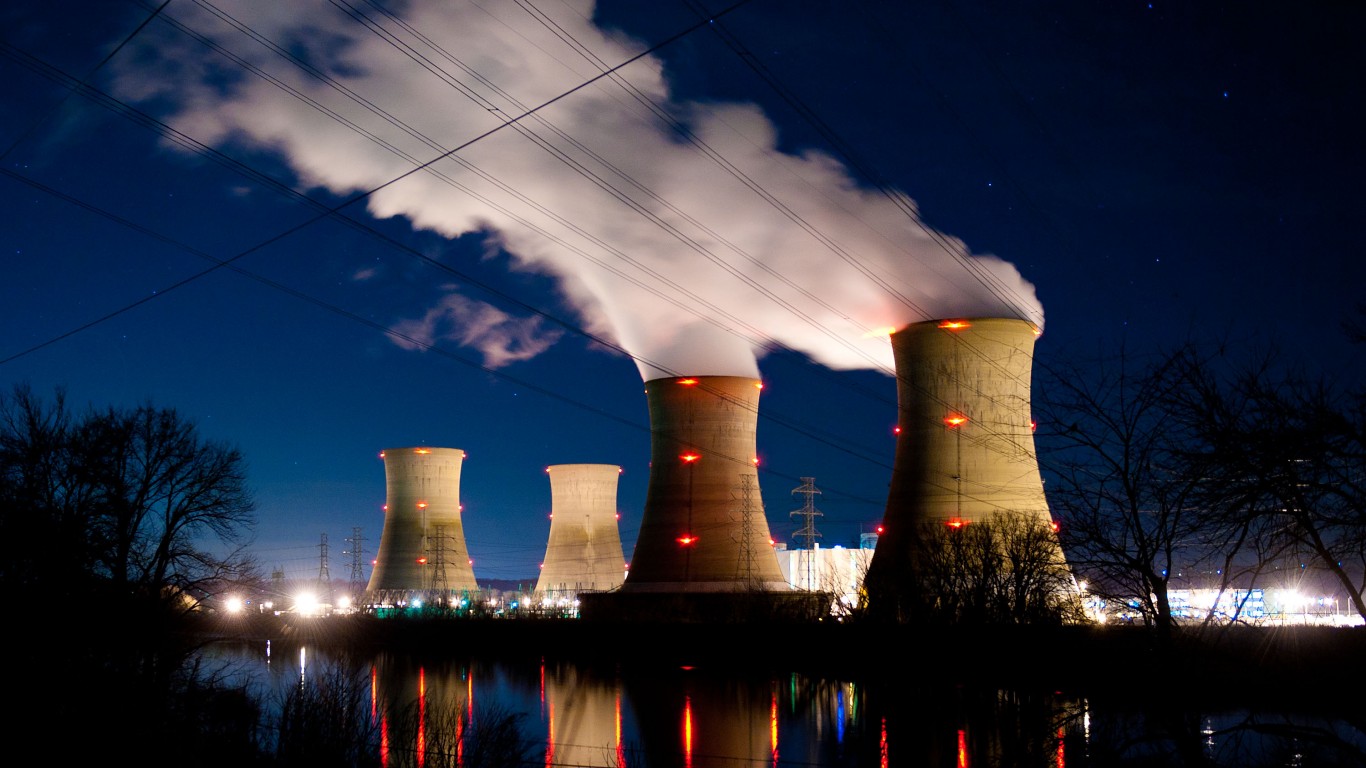
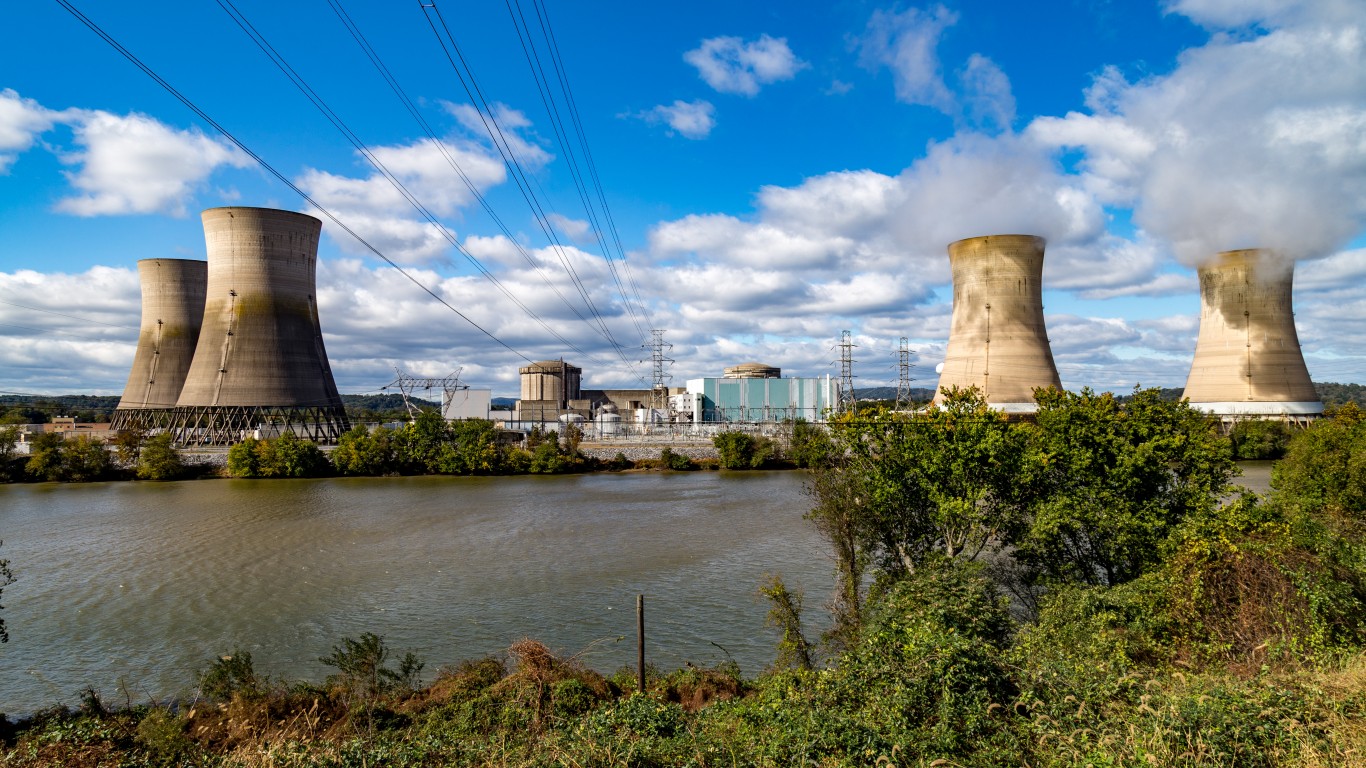
In March 1979, one of two nuclear-powered electricity-generating units at Pennsylvania’s Three Mile Island experienced a partial meltdown. The reactor that had become operational in April of 1978 never generated another kilowatt of electricity again. The plant’s other reactor did not resume operation until 1985.
Exelon Corp. (NYSE: EXC) announced the plant’s closure in May, citing the state legislature’s failure to enact subsidies for clean energy generators. Last month the company filed a report with the state’s Department of Labor and Industry indicating that about 112 employees would be affected by the plant’s closure. Complete decommissioning of the plant is planned to occur by 2074 and all radioactive material will be removed by 2078.
The plant’s closure will reduce power generation by 837 megawatts, almost 45% more than the largest solar photovoltaic farm in the United States, Solar Farm. Three Mile Island generated enough electricity to supply 800,000 homes, compared to Solar Farm’s 579 megawatts of capacity that can supply power to 255,000 homes.
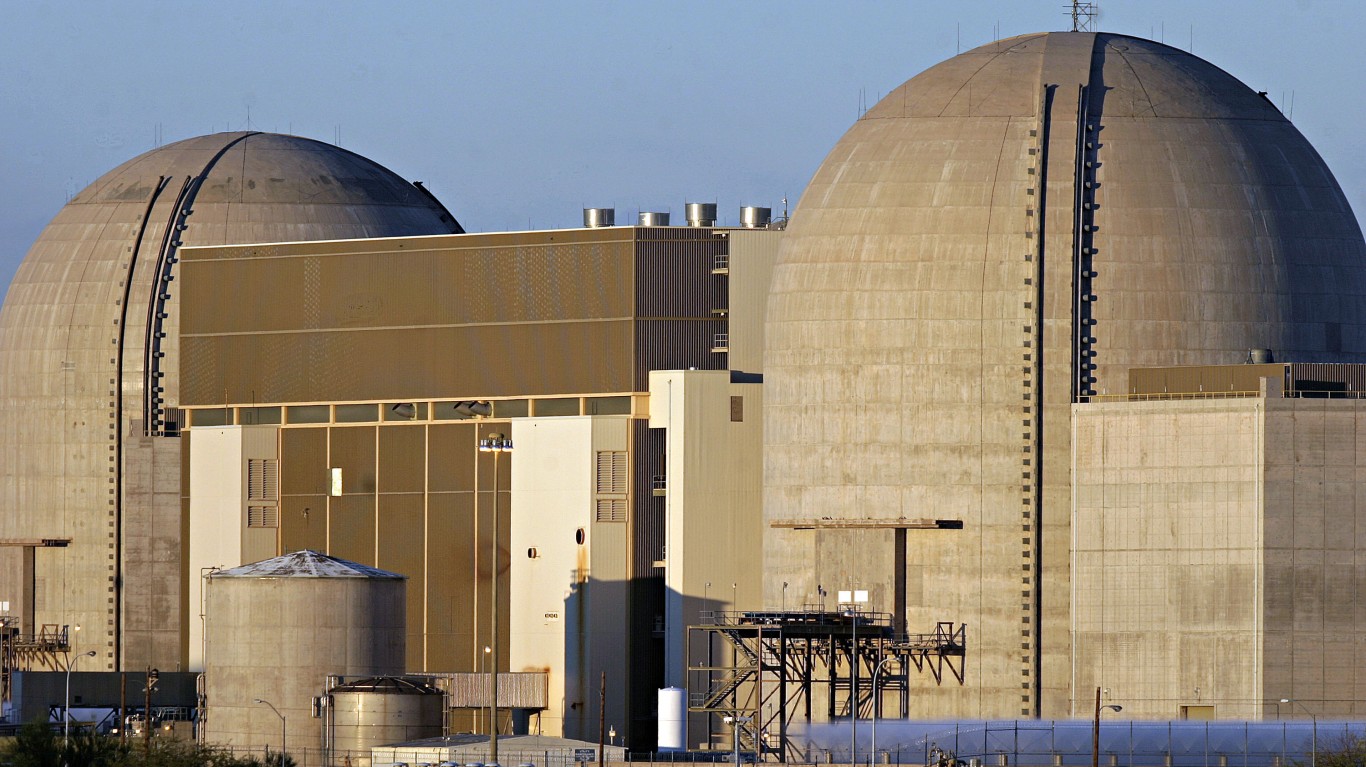
The closure of Three Mile Island highlights a current debate among environmentalists and politicians on the proper role, if any, for nuclear energy in the fight against climate change. The ruckus about nuclear power boils down to three questions, says David Roberts at Vox: is it worth keeping existing plants open, is it worth trying to revive the nuclear power industry and is it worth investing in new nuclear technologies.
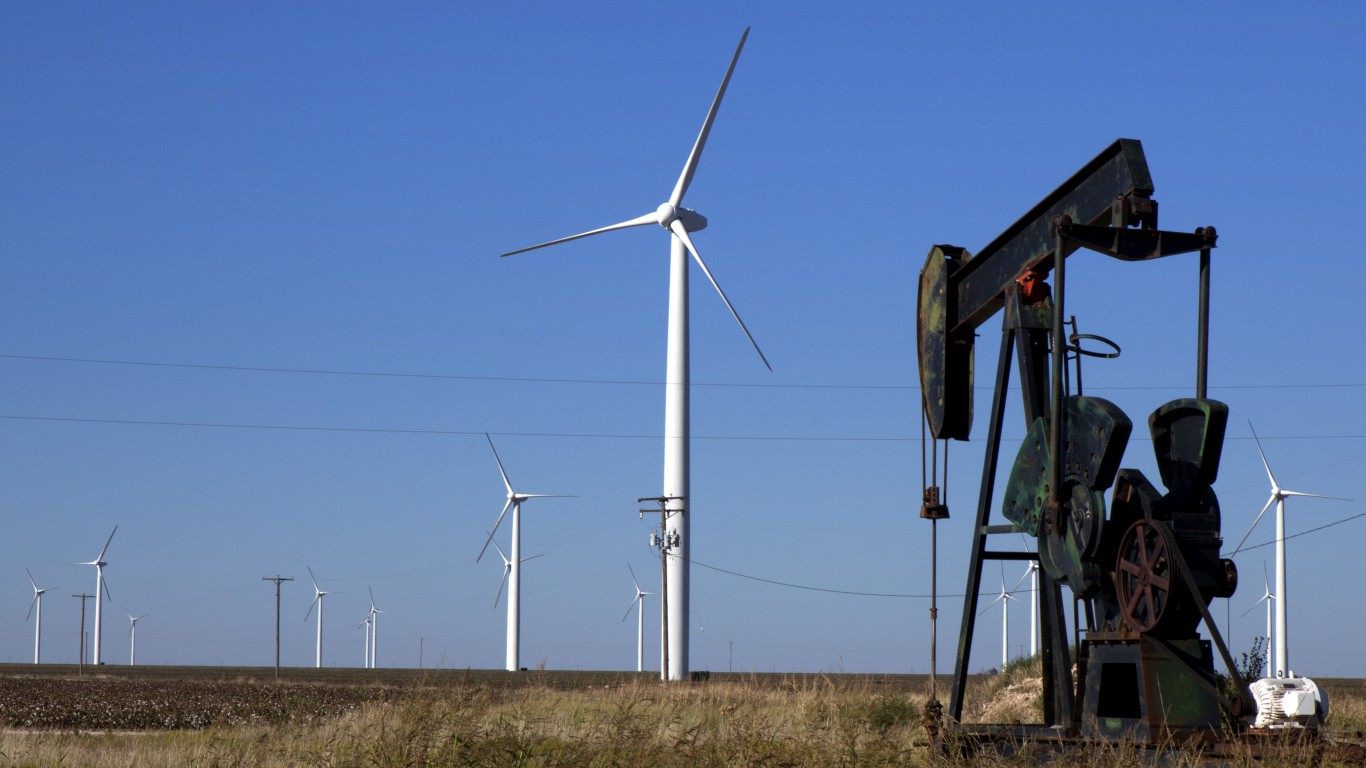
Like solar and wind power, nuclear power generation emits no carbon into the earth’s atmosphere. But — there’s always a but — while the nuclear fission reaction itself emits no carbon or other greenhouse gases (GHG), nuclear generation pumps out an average of 65 grams of GHGs per kilowatt-hour (kWh), about the same as wind power but far less than coal’s 900 grams per kWh or natural gas emissions of 450 gram per kWh.
[nativounit]
The estimated GHG emissions from nuclear power include calculations related to the purity of the ore, the method used to enrich the ore and the age and efficiency of the reactor, among other things. There are also costs related to GHG emissions from fabricating the steel used in the plants and making the cement used in the thick concrete walls of a reactor.
Taking all that into account, about half of the 20% of nuclear power generation can be considered carbon free. That’s about the same percentage (10%) of carbon-free electricity generated by renewables.
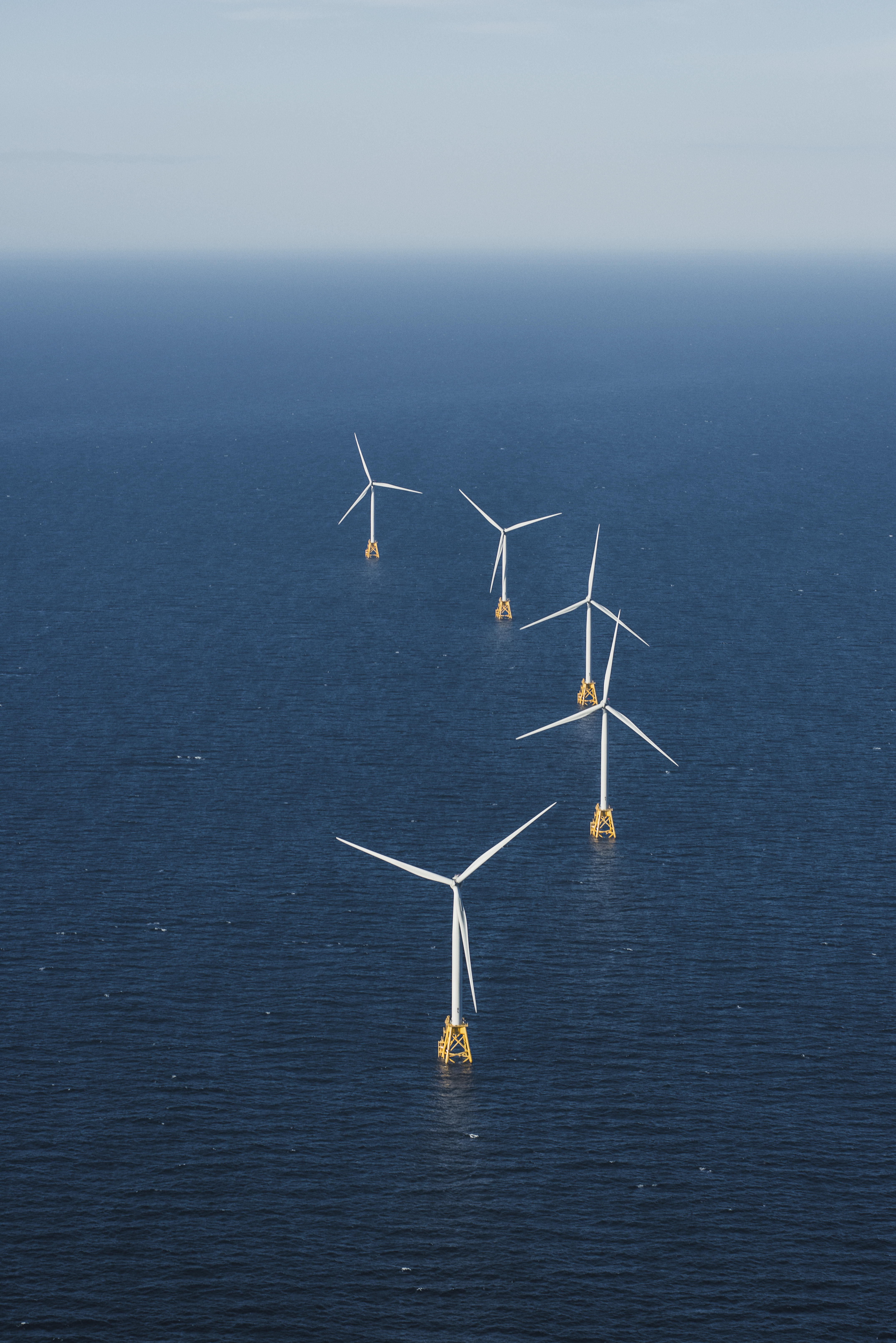
The simple solution would be to replace all 20.2 gigawatts of nuclear generation that will be lost by 2050 with wind or solar or hydro or some other carbon-free source. That solution doesn’t hold up to the reality of cheap natural gas. The reality is that expensive nuclear plants are being replaced by cheap-to-build-and-operate natural gas plants, not renewables like wind or solar.
And that results in more total GHG emissions, not less. If natural gas prices remain low, nuclear plants are likely to accelerate their scheduled closings as their costs increase and those closed plants will be replaced by natural gas generation. Needless to say, new nukes won’t be built.
Keeping the nukes operating for longer is one solution. Exelon, which had lost money for five years on its operations at Three Mile Island, had hoped for subsidies from the state to help it remain open. One way to generate those subsidies is by setting a price on carbon, often referred to as a carbon tax. Politicians tend to avoid any contact with a policy that includes a tax, however, which is why this may not already be in place.
The evolving consensus answers are “yes,” “no” and “yes” says Roberts. In that sense, the closure of Three Mile Island could be a harbinger of a new effort to reduce carbon emissions. Or it could be the canary in the coal mine.
[recirclink id=577783]
[wallst_email_signup]






 Top Gaining Stocks
 Top Losing Stocks