


Oil prices recently topped $100 a barrel for the first time in over a decade. At that level, it has helped fuel inflation around the world, particularly because of gas prices. And, some nations which rely on oil, mostly in Europe, face the possibility they will not have oil for the major industries that need it or to heat their homes.
Oil price, like all commodities, largely moves up or down based on supply and demand. The recent rise in oil prices has started to back off, both because of oil released from the strategic reserves of some countries and a drop in demand in China because of COVID-19 lockdowns.
The “haves” and “have nots” of the global oil sector is based to a large extent on which nations produce their own crude and those that cannot.
[nativounit]
To determine the country that are most dependent on Russian oil, 24/7 Wall St. reviewed data on oil imports from the Observatory of Economic Complexity, an online data visualization and distribution platform, and oil production from the U.S. Energy Information Administration. Countries were ranked based on the total value of imports of crude and refined oil from Russia as a percentage of all crude and refined oil imports and domestic oil production in 2020.
Some of the nations that rely on Russian energy sources lack resources of their own. If they do possess resources, they depend on Russia to help develop and process them.
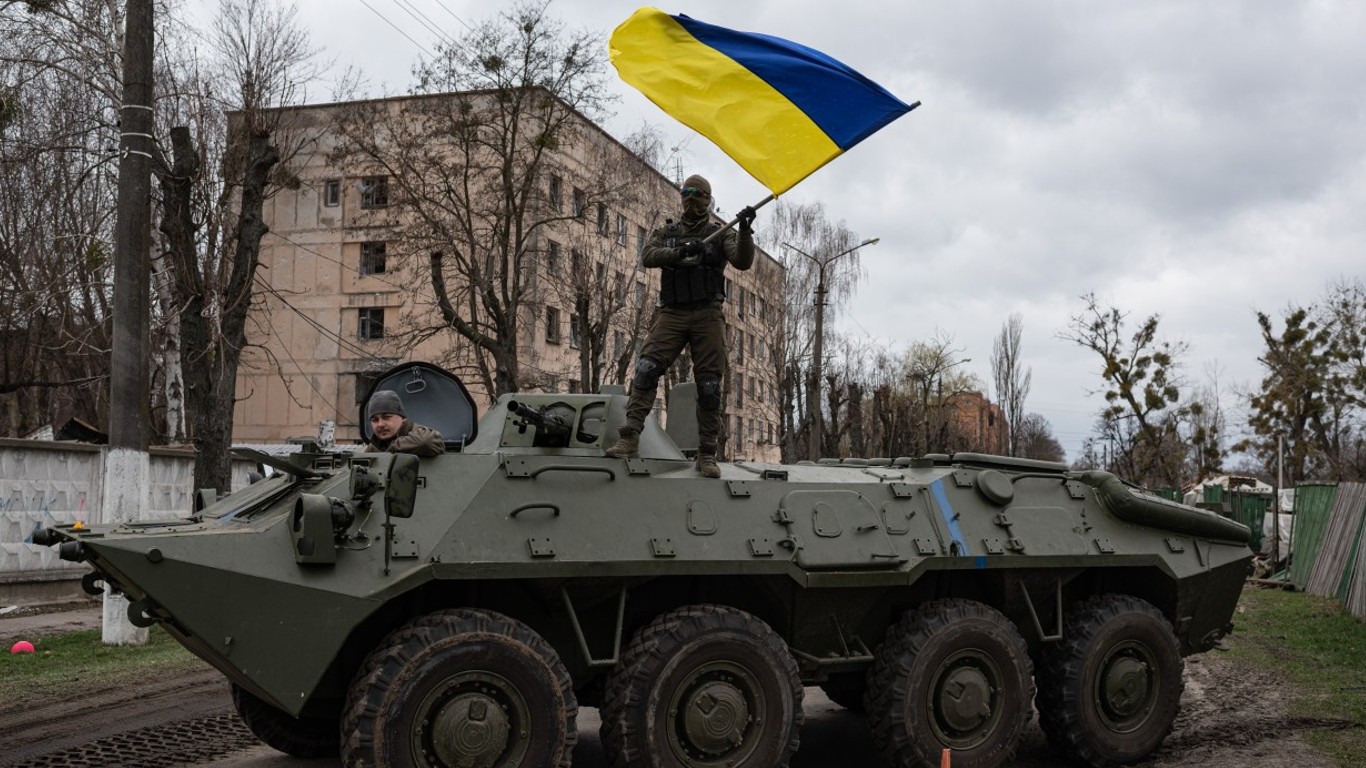
Nations that have been the most critical of the Russian invasion of Ukraine and that have energy agreements with Russia have spoken about ending their energy accords with Russia. Germany, Europe’s biggest economy, plans to halt almost all Russian oil imports this year and end gas imports from Russia by the middle of 2024, according to a recent announcement.
Other nations such as Turkey are looking to boost oil imports from other countries such as Iran and Iraq.
Polish Prime Minister Mateusz Morawiecki said in late March that his country wants to stop using Russian oil by the end of this year. He said shifting to renewable energies would help Poland become independent from Russian energy.
The nation that relies the most on Russian oil is Kyrgyzstan. Here are the details:
> Russian oil imports: 83.5% of all oil imports and domestic production
> Total value of Russian oil imports: $427.9 million
> Total value of domestic oil production: $11.3 million
> UN resolution vote to condemn Russian invasion of Ukraine: Abstained
Kyrgyzstan is the nation most reliant on energy supplies from Russia. The mountainous, landlocked central Asian country abstained from the U.N. vote to condemn the Russian invasion of Ukraine. Like other former Soviet republics in central Asia, Kyrgyzstan has been sending migrant workers to Russia to work in that country’s energy sector, and these workers send remittances back to their home country. According to the Foreign Policy Research Institute, about 650,000 laborers in Russia are from Kyrgyzstan, about one-tenth of the population.
Kyrgyzstan is a member of the Russian-led Eurasian Economic Union. Because of this affiliation, Kyrgyz citizens have access to the Russian health care system, and earnings from the work they do in Russia are counted toward their pensions.
Methodology: To determine the country that are most dependent on Russian oil, 24/7 Tempo reviewed data on oil imports from the Trade Statistics Branch of the United Nations Statistics Division curated by the Observatory of Economic Complexity, an online data visualization and distribution platform, and oil production from the U.S. Energy Information Administration. Countries were ranked based on the total value of imports of crude oil and refined oil from Russia as a percentage of the sum total of all crude oil and refined oil imports and domestic oil production in 2020.
Click here to read Countries Most Dependent on Russian Oil
[wallst_email_signup]









 Top Gaining Stocks
 Top Losing Stocks