


What is a national economic state of emergency, and what does it allow the government to do that it can’t do already? How would a state of emergency make things better or worse for Americans? Donald Trump has said that he is considering declaring a national economic state of emergency, so what does that mean for you?
In the storm of political commentary, propaganda, and misinformation, it can be hard to know exactly what is going on, why, and what it means for the future. We looked into the issue and conducted our own research to see what exactly is going on.
The Trump Proposal

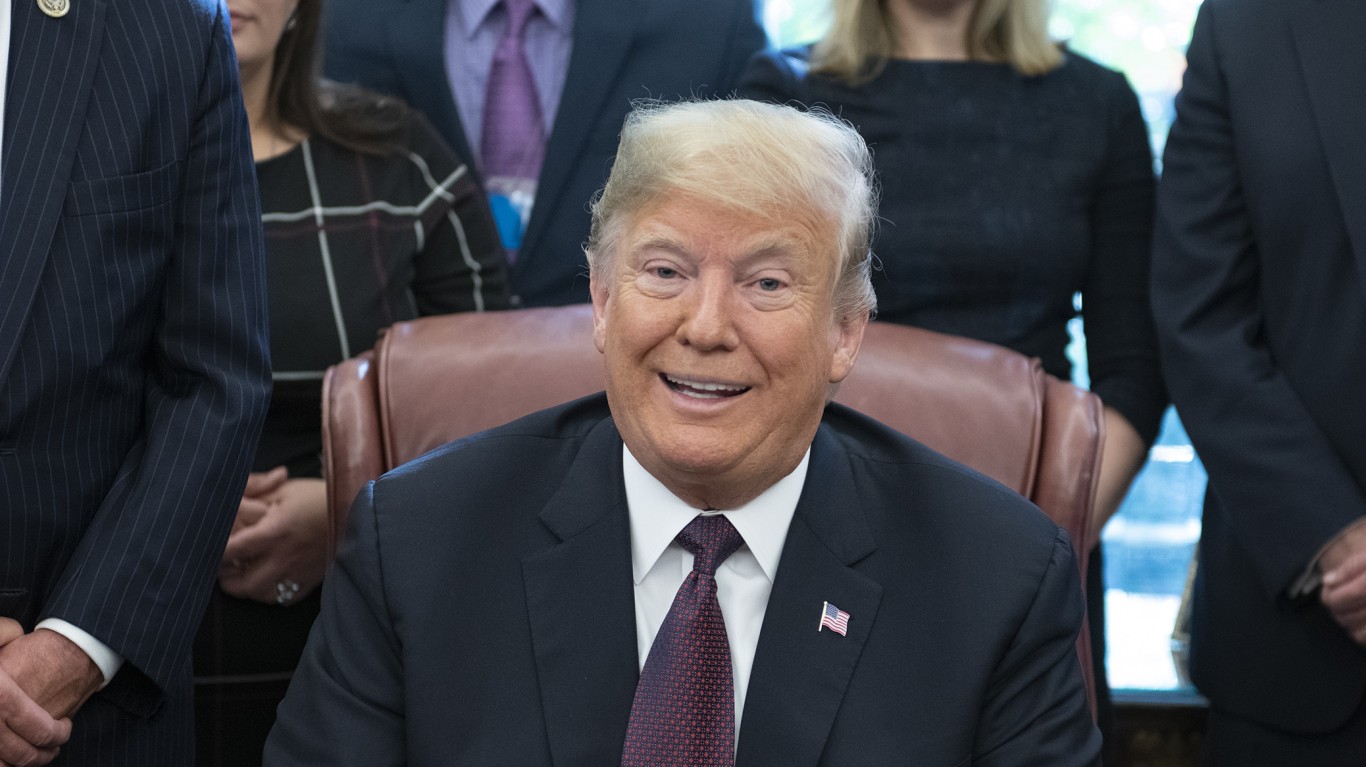
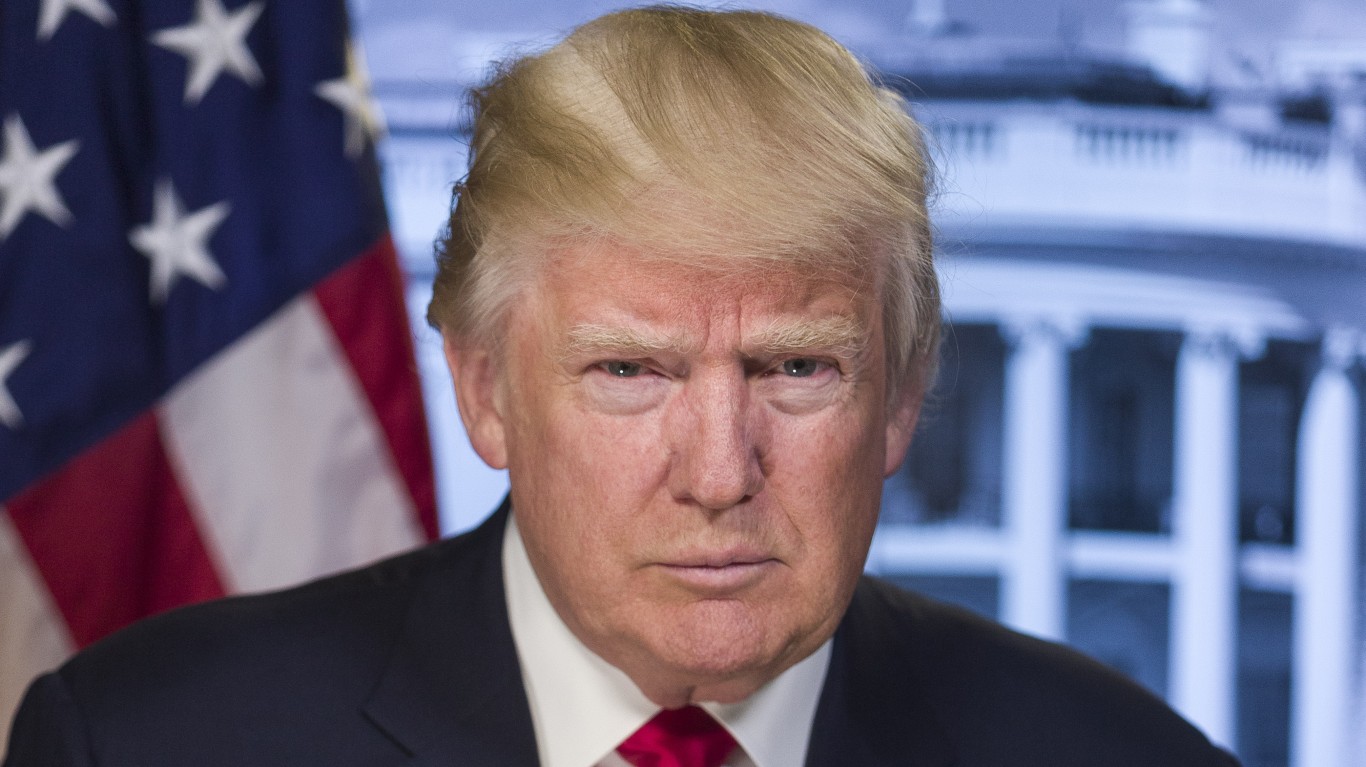
Donald Trump and his running mate J.D. Vance.
Donald Trump recently announced that he was thinking about declaring a national emergency once he moves into the White House in order to give himself the legal justifications to take control of the economy, especially the imports and exports for the entire country, in order to implement his extremely high tariffs that he has announced on multiple occasions.
Trump has proposed imposing tariffs up to 20% on all goods imported from other countries, a 60% tariff on goods imported from China, and even a 100% tariff on goods imported from Mexico. With the powers granted by a national emergency, he might be able to achieve these goals.
Trump has used other presidential powers and legal options in order to wage trade wars during his first term as president, including when he threatened Mexico with a 25% tariff unless it took action to reduce the number of migrants crossing the border. This would be the first time he will consider doing so under the guise of a national emergency. If it proves unpopular or difficult, then those alternate avenues will still remain available.
What Powers Come With a National Emergency?
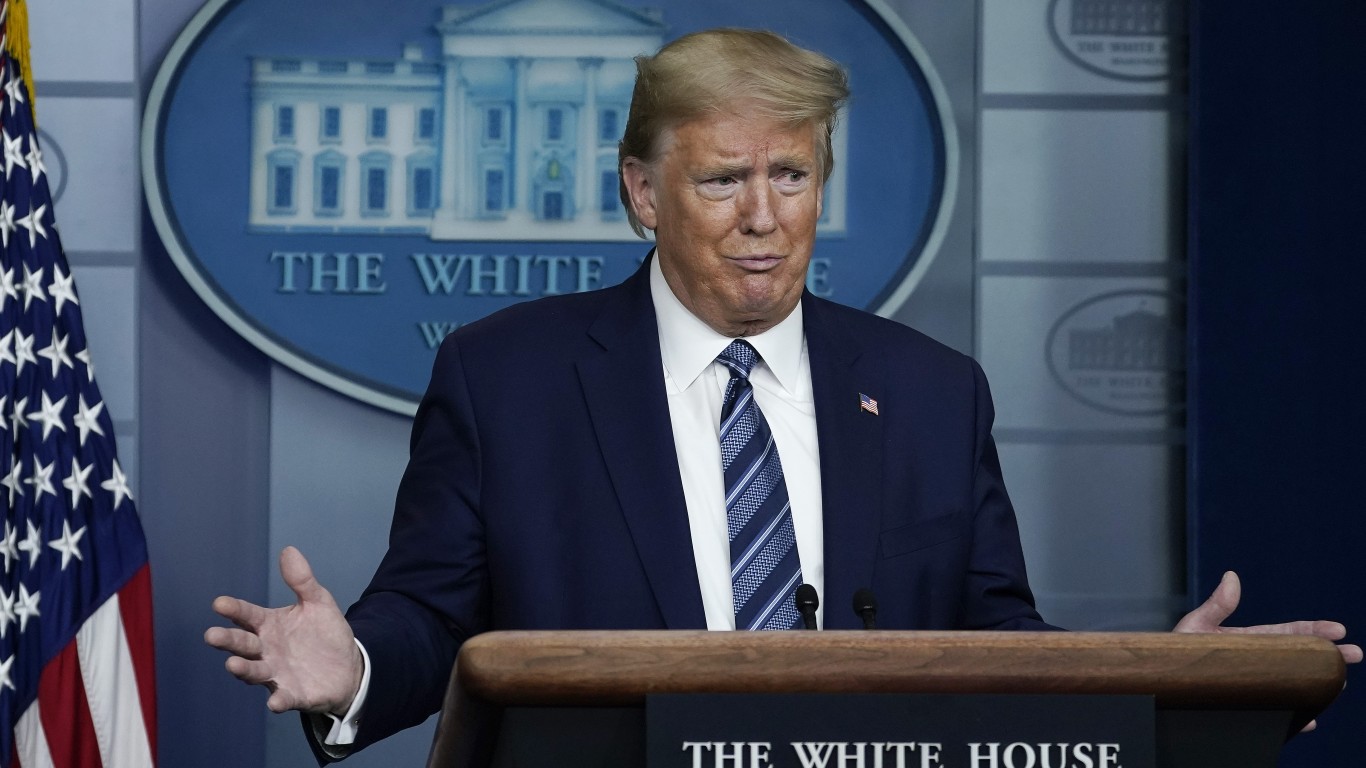
U.S. President Donald Trump speaks during the coronavirus daily briefing at the White House on April 21, 2020 in Washington, D.C.
The National Emergencies Act was passed in 1976 by President Gerald Ford, and it gives presidents huge amounts of power and capabilities that they don’t have normally. In total, there are 136 emergency powers defined by law in the act that are made available to the president when they decide to declare a national emergency, and only 13 of these powers require approval from congress.
National emergencies aren’t as rare as we might think, but recent administrations have certainly taken advantage of the powers granted to them by the act. There have been 60 national emergencies declared by the president up to 2020, with Clinton declaring the most at 17, then Obama (13), George W. Bush (12), Trump (7), and a few others.
Some of the powers granted by the National Emergencies Act include suspending any laws that regulate the use of chemical and biological weapons, authorizing military construction, appropriating any military construction, drafting retired Coast Guard officers, and much more.
Specifically, Donald Trump hopes to use the powers of the International Economic Emergency Powers Act, or IEEPA, which would allow him to take control and manage all national imports directly. This means he could build whatever tariff structure he wanted without any authorization or input.
He will, of course, face pushback and resistance for trying to declare a national emergency when there is no actual emergency, but there is no real immediate action congress can take to prevent it.
What Will This Mean for the Country?
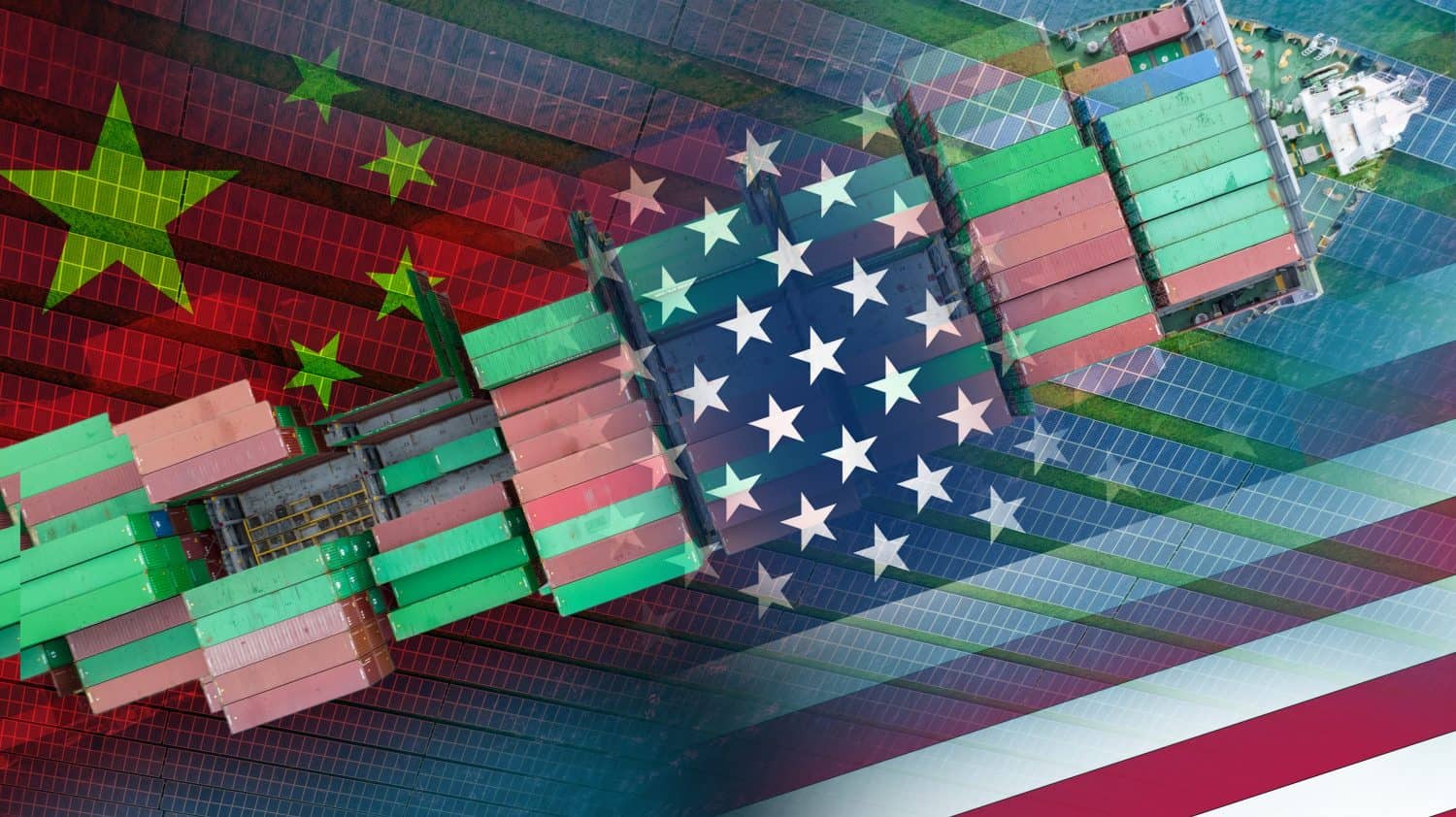
An image of trade between the United States and China.
There are two things we must consider when fore casting possible outcomes of this course of action: the impact of the tariffs themselves, and the impact of declaring a state of emergency.
First, the proposed tariffs will lead to the increase in prices of nearly every consumer product. Tariffs are a tax imposed by an importing country which is paid by the end customer. Economists, political scientists, and economic experts agree unanimously that tariffs are almost always self-defeating and are harmful to the exporter, importer, and customer, with the citizens of the country always getting hit the hardest.
Most countries impose tariffs to protect domestic industries, but this nearly always backfires. On the other hand, corrupt governments usually impose steep tariffs for a variety of reasons, and they always end up causing irreversible damage to the local economy.
Second, the office of the president has been growing in power and authoritarian tendencies for decades, and Donald Trump is well-known for flaunting the law and use the powers of the president to benefit himself and his oligarch friends, so it is unlikely declaring a national emergency in order to implement tariffs will have much of an impact beyond causing a lot of drama and speeding the transfer of wealth from the working class to the ruling class.
There are some concerns that Trump might use a state of emergency to manipulate markets or the economy to influence the next midterm election, but it is unlikely that doing so would be easy or go unnoticed. Political watchdogs are sure to be on high alert throughout Trump’s term as president, and even though Trump has promised to remove disloyal political employees in the government and replace them with bootlickers and authoritarian party loyalists, he probably wouldn’t be able to accomplish anything so blatant or violent as the January 6 insurrection.
So, while declaring a state of emergency is a silly idea, and the reason for doing so is dubious at best, and the tariffs are an absolutely and undoubtedly terrible idea, it probably is not going to be the worst thing Trump has ever done.







 Top Gaining Stocks
 Top Losing Stocks