


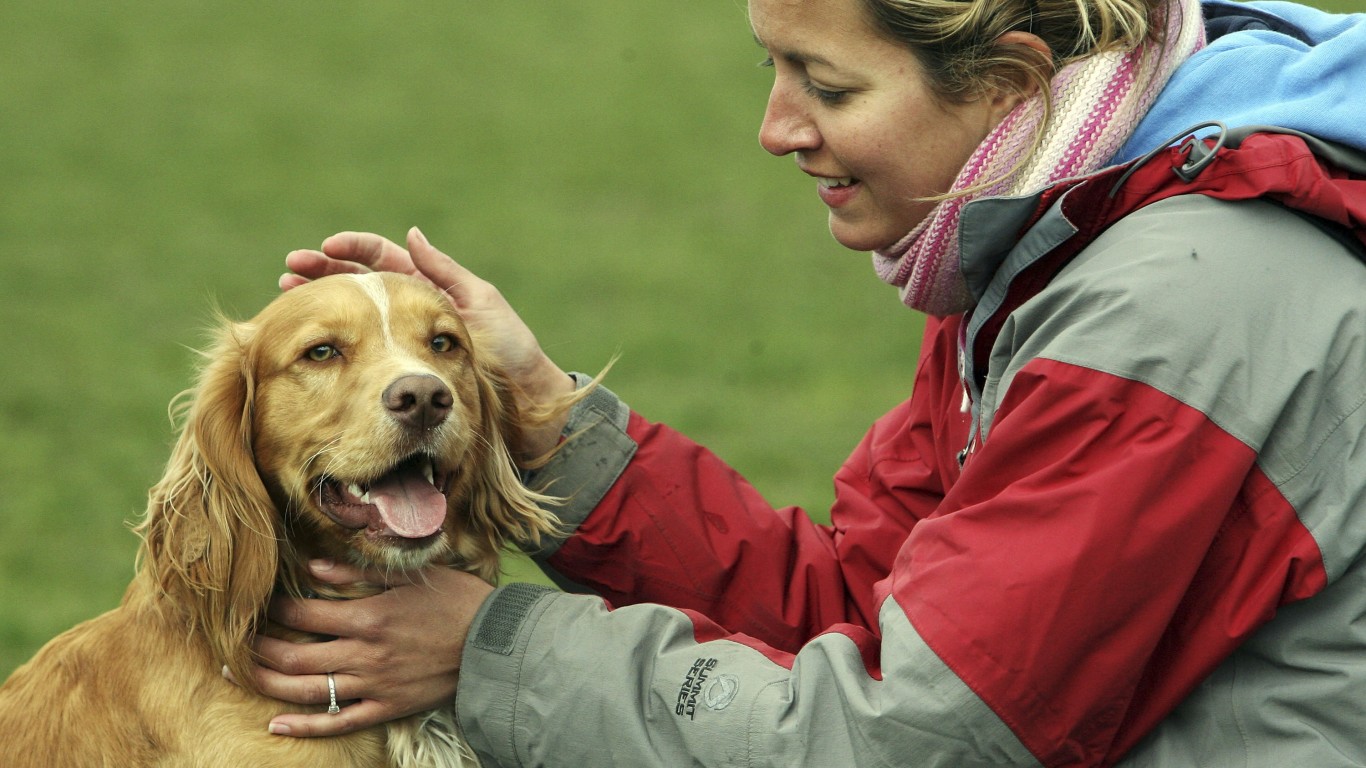
Looking to get a pet? Trying to convince a significant other to let you get a pet? There are many reasons why you might want to, but including one of the dozens of health benefits is a great way to go. There is a reason why places of healing incorporate pets and animals into holistic healing practices. Here are just a few of the real health benefits of owning a pet, according to science.
#1 Protection From Sickness
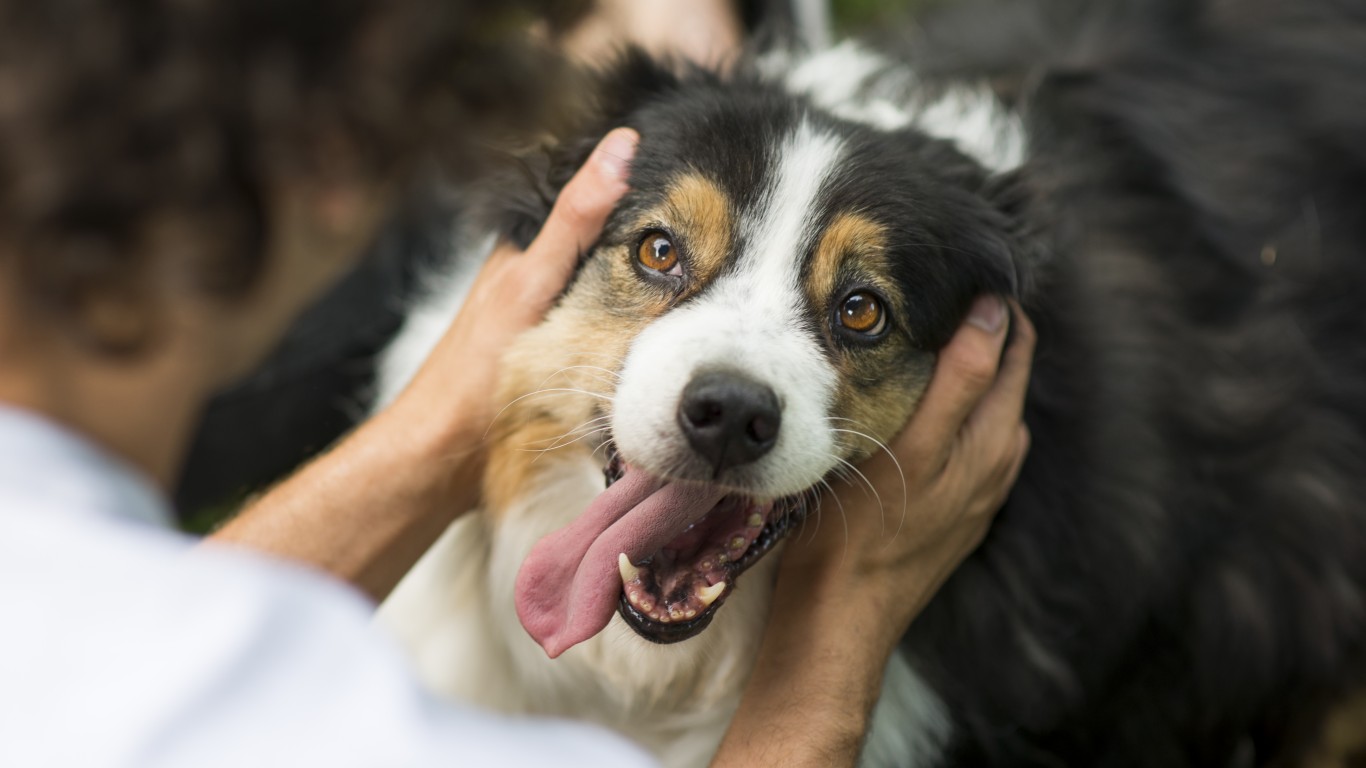
Dog.
Just the presence of a pet in the home is enough to protect children from a variety of sicknesses. Infants who were exposed to pets during pregnancy showed higher immune resistance later in life. This means they are less likely to develop asthma, atopic dermatitis, and even food allergies.
Additionally, recent studies have shown that babies in a home with pets are less likely to develop allergies in their lifetime.
#2 Improved Cardiovascular Health
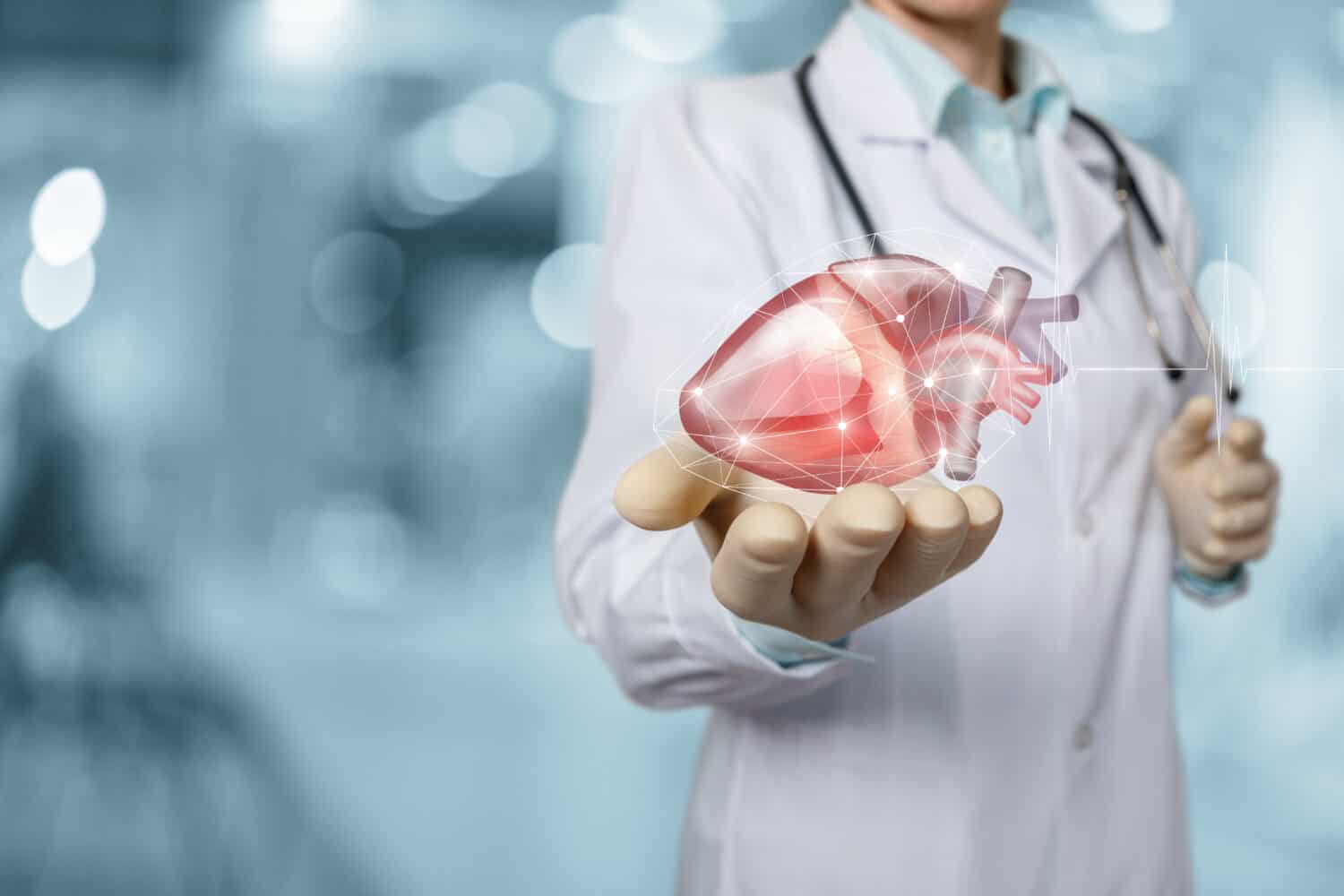
A heart.
Scientific studies have repeatedly shown that people who own pets have lower rates of heart disease than others. This includes lower blood pressure, lower cholesterol, lower triglyceride
Levels, and fewer cardiovascular complications in general.
#3 Psychological Development
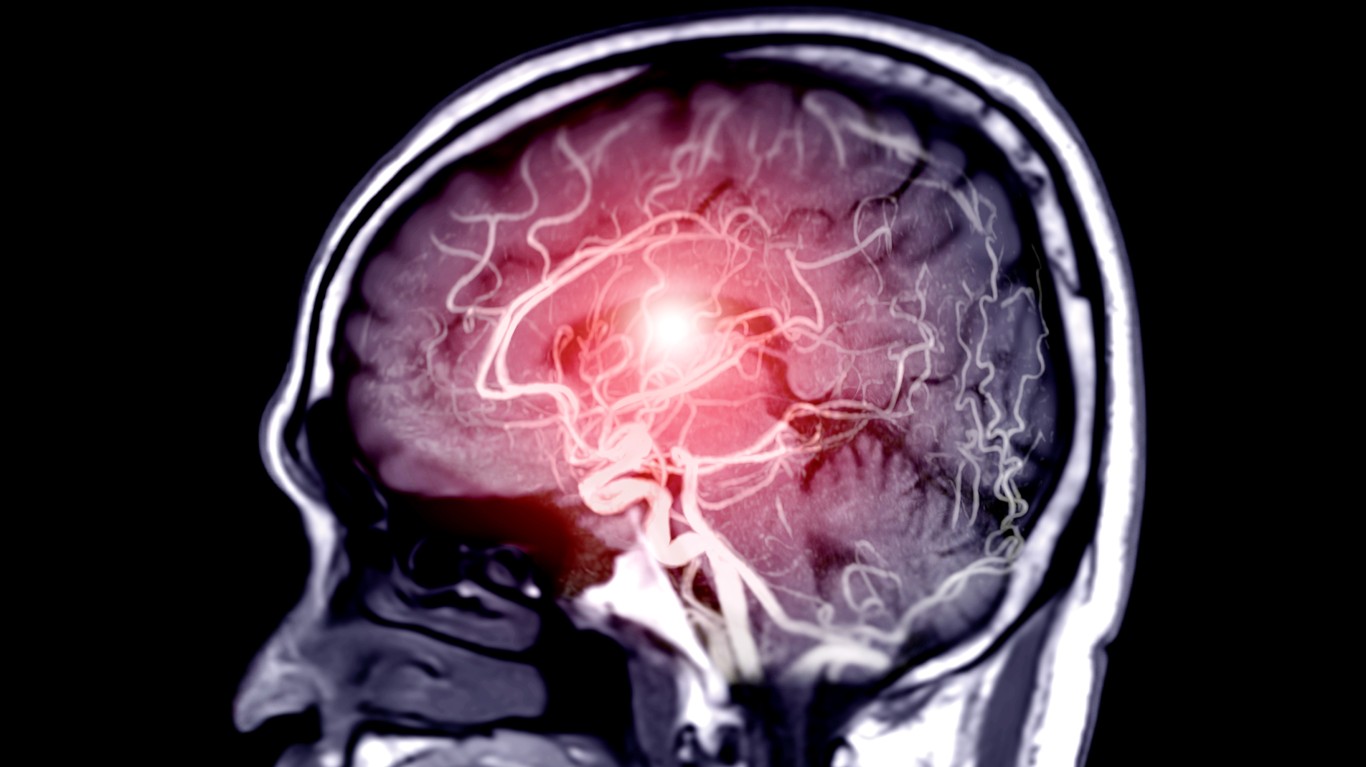
A brain.
Pets in the home help young children develop compassion, responsibilities, and other social skills. Including children in the responsibility of taking care of a pet can help increase these skills. Pets are also an emotional stabilizer for children, helping them self-soothe and manage their emotions in a healthy way.
Pets have also been shown to help children with autism learn and develop better than those with no pets.
#4 Teen Support

A teenager.
In addition to the other benefits, teenagers benefit a lot from having a loving third party in the home. When teenagers feel like they can’t talk to a family member or another adult, they can often confide in a pet, or at least feel like they have someone who will support them no matter what. Teenagers who have pets also exercise more, contributing to their mental health.
#5 Routine Management
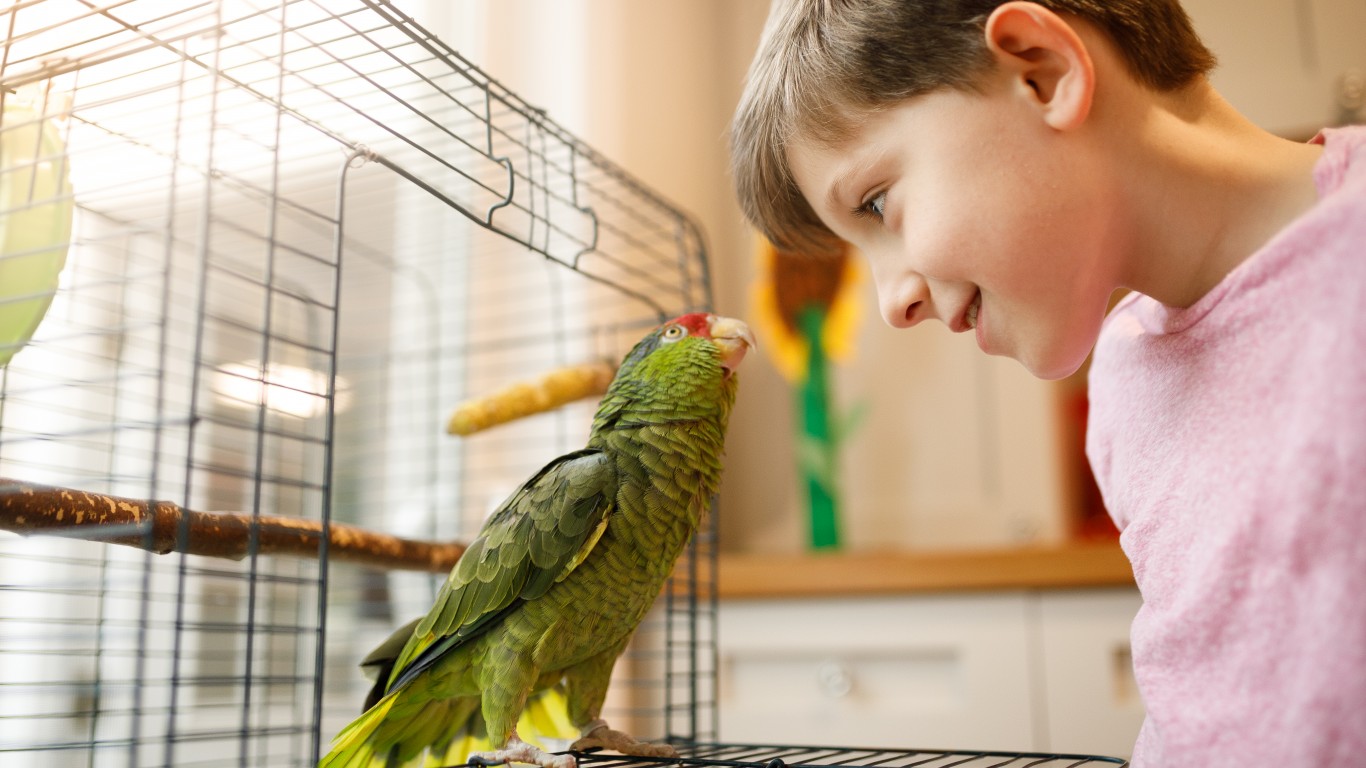
A pet bird.
Having a pet means you are willing to take on more responsibilities. These include feeding, grooming, walking, social bonding, playing, teaching, and more. Often, pets require the same activities to take place at the same time every day. This can help people who have difficulties with maintaining a routine as they now have a living being relying on them to be responsible.
#6 Improved Heart Health

A dog.
Having a pet subconsciously relaxes your heart, which reduces strain on it and your entire cardiovascular system. People with pets have more frequent times of slower breathing, lower blood pressure, and more stable heart rates.
#7 Social Encouragement

Dogs outside.
Adopting a pet also means you are assuming the opportunity to take it for walks, dog parks, doctors’ appointments, and other places where simply having a pet will naturally encourage conversation with other pet owners.
#8 Exercise

A dog.
On average, people who own dogs walk 30 minutes more every week than those who don’t have a dog. Those with more active dogs will have to walk or run more often. And even those without an active dog will have to take on more activities and chores than others, keeping them more active throughout the day.
Additionally, having an animal with which you interact regularly has been shown to help people manage their eating disorders.
#9 Soothing Effects
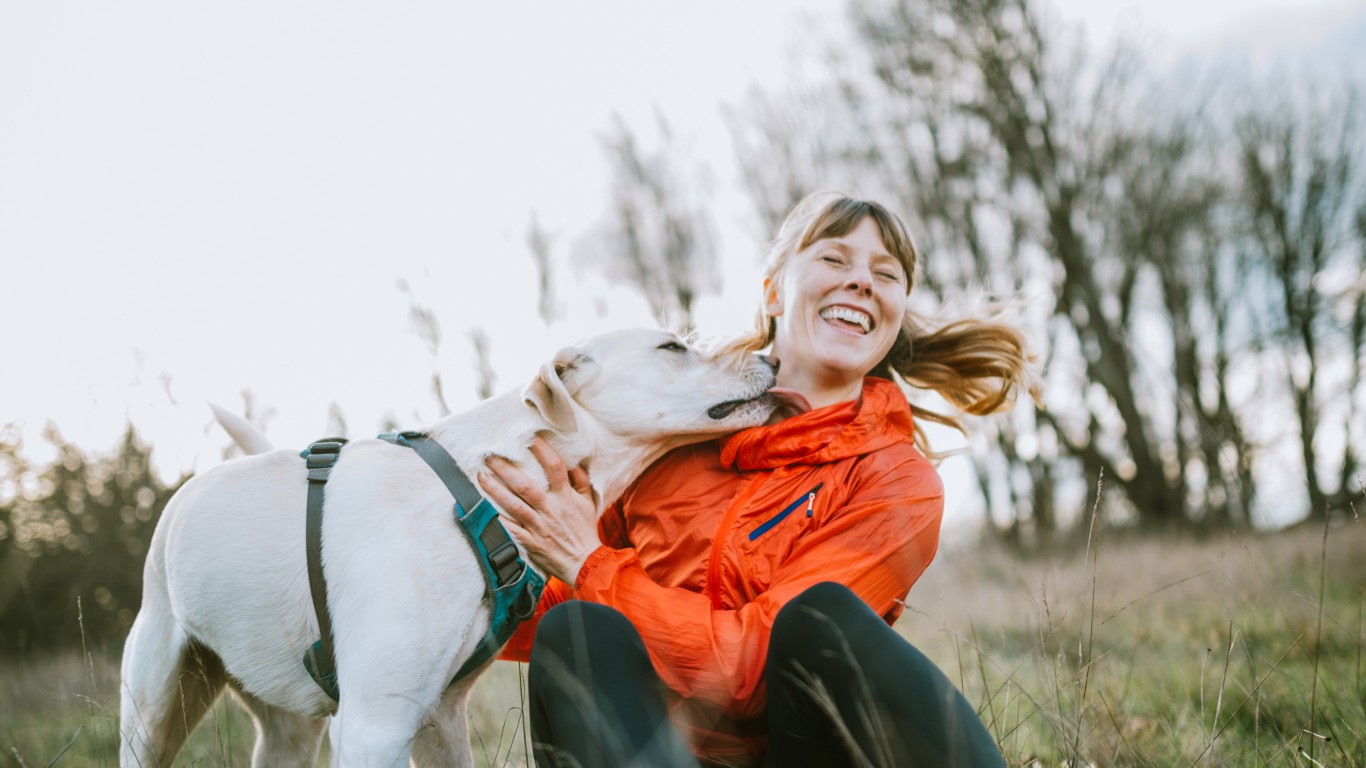
A dog.
Having a loved companion of any species increases the levels of oxytocin in our brains and also reduces the levels of cortisol (the hormone that causes stress).
The purring of a cat has been shown to be more effective at reducing stress than medication, and just having a fish tank in the home has an immediate and noticeable effect on stress levels.
#10 Help with Depression

A cat.
There is scientific proof that having a pet prevents people from feeling isolated and withdrawing themselves during difficult times. Pets can and will notice when their owners are feeling depressed and will attempt to cheer them up and still ask for their regular activity or bonding time.
This effect was particularly noticeable in people over 65.
#11 Extended Life Expectancy

A dog.
Retirement homes regularly employ the use of dogs and cats for all the reasons listed above. As our health begins to fail, pets can help reduce the effects of old age and prolong our lives. There are many different types of therapy that use animals, but just having an animal with which we are even a little bonded can increase our life expectancy significantly.














 Top Gaining Stocks
 Top Losing Stocks