


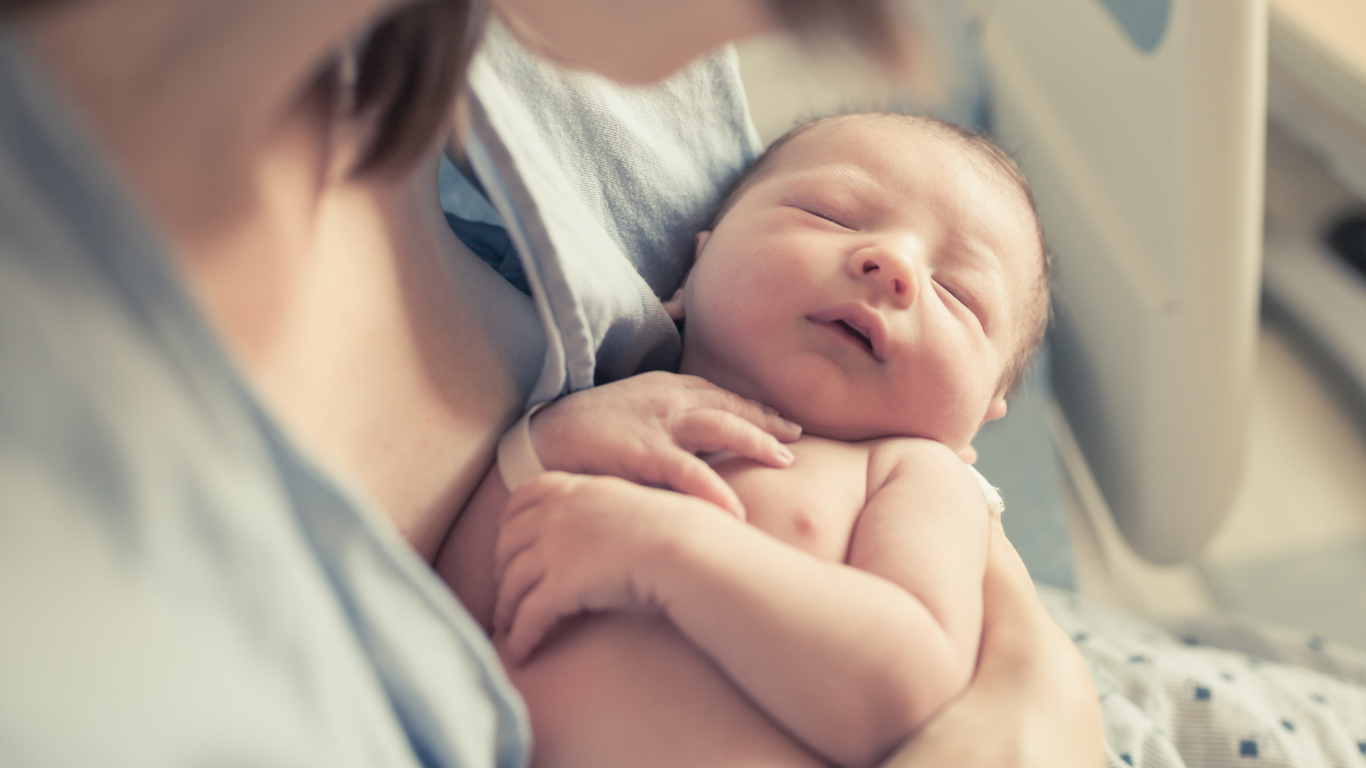
The World Health Organization reports close to 30 million babies with health problems require immediate care worldwide. And this is true every year. They include infants born prematurely and babies who are smaller than normal or extremely sick.
The data come from the WHO “Survive and Thrive: Transforming care for every small and sick newborn” report, which says: “[N]ewborn babies most at risk of death and disability are those with complications from prematurity, brain injury during childbirth, severe bacterial infection or jaundice, and those with congenital conditions.”
The report goes on to say that the financial and psychological effects of the problems on families can cause further damage to the children based on “their cognitive, linguistic and emotional development.”
Commenting on the problem, Omar Abdi, UNICEF deputy executive director, said:
When it comes to babies and their mothers, the right care at the right time in the right place can make all the difference. Yet millions of small and sick babies and women are dying every year because they simply do not receive the quality care that is their right and our collective responsibility.
[nativounit]
UNICEF participated in the creation of the report.
The risk of severe problems is particularly acute for children over a month old. In 2017, 2.5 million of these infants died. The WHO said that most of these could have been prevented if appropriate care had been available.
The report went on to say that 68% of these annual deaths can be eliminated by 2030, by “simple fixes such as exclusive breastfeeding; skin-to-skin contact between the mother or father and the baby; medicines and essential equipment; and access to clean, well-equipped health facilities staffed by skilled health workers.”
However, in nations in which these fixes are not put in place, the WHO goal may not be reached for a century. The authors wrote, “[W]ithout rapid progress, some countries will not meet this target for another 11 decades.” The WHO suggested steps that could be taken to make more rapid progress:
- Providing round-the-clock inpatient care for newborns seven days a week.
- Training nurses to provide hands-on care working in partnership with families.
- Harnessing the power of parents and families by teaching them how to become expert caregivers and care for their babies, which can reduce stress, help babies gain weight and allow their brains to develop properly.
- Providing good quality of care should be a part of country policies, and a lifelong investment for those who are born small or sick.
- Counting and tracking every small and sick newborn allows managers to monitor progress and improve results.
- Allocating the necessary resources, as an additional investment of 20 cents per person can save two of every three newborns in low- and middle-income countries by 2030.
Sources: The report is produced by a coalition of organizations that support countries to implement the Every Newborn Action Plan. These organizations include, among others, the WHO, UNICEF, USAID, the Bill and Melinda Gates Foundation, Save the Children, London School of Hygiene and Tropical Medicine, International Pediatrics Association, Council of International Neonatal Nurses, the International Confederation of Midwives, European Foundation for the Care of Newborn Infants, Preterm Birth Initiative, Sick Kids Centre for Global Health, Every Preemie at Scale and Little Octopus.
[wallst_email_signup]










 Top Gaining Stocks
 Top Losing Stocks