


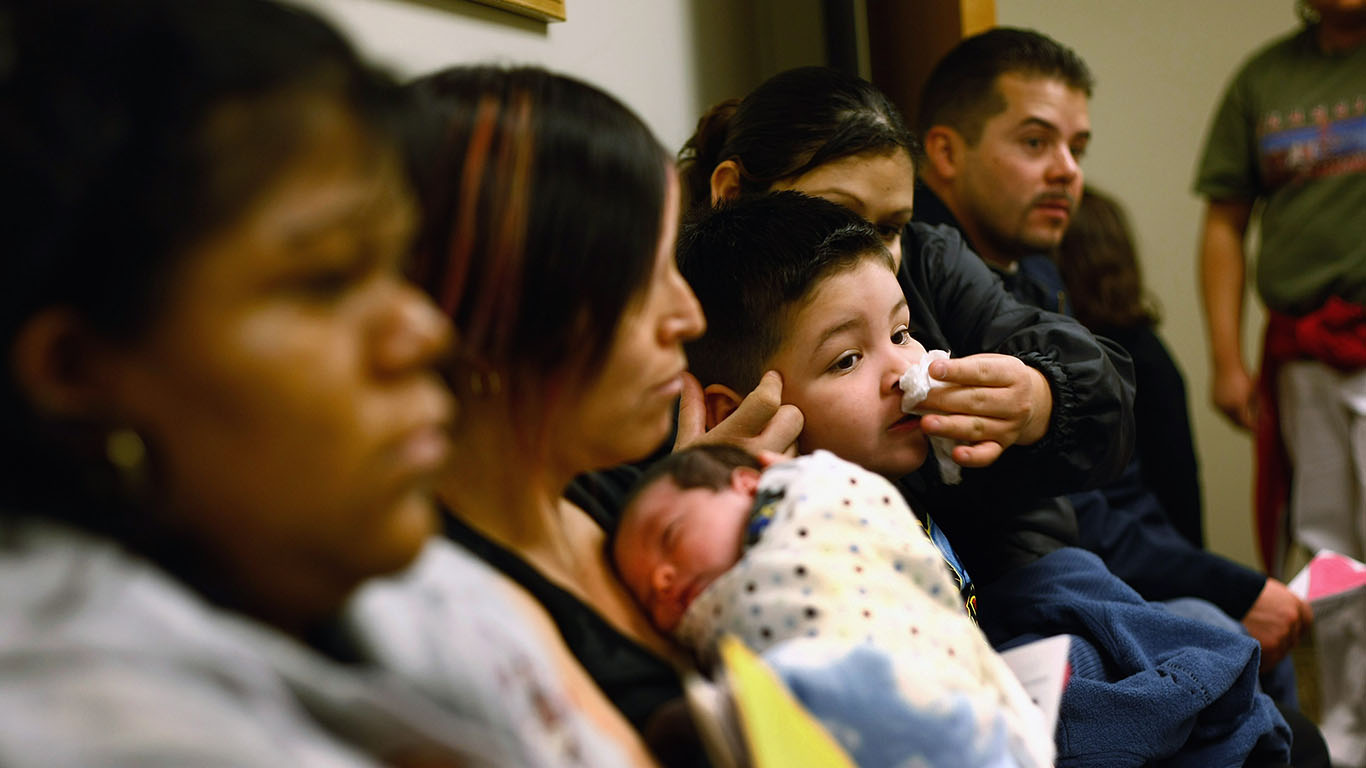
The United States has about a million doctors. Most of those who work in a hospital will continue to be paid during the pandemic. Tens of thousands of doctors in private practice will go out of business. This means there will be an acute shortage of doctors who do not work in hospitals. As the coronavirus pandemic begins to wind down, many of these doctors will not be able to restart their practices. A shortage of doctors means people will not get the level of care they did before the pandemic. Some places may have no doctors at all
Approximately 46% of doctors work in practices owned by doctors. Some of these work in groups. Others are in solo practice, according to the American Medical Association. Many will not collect fees because they cannot see patients. At the same time, they have rent, staff costs and insurance fees, which include malpractice.
The government may pay some laid-off physician staff for a period, but that period may end in a few months. The AMA has a long list of guidelines for how doctors can stay in business. None addresses what doctors do when they run out of money. Government loans may support some, but nothing can replace patient fees that many doctors receive every day.
The doctors who face severe financial shortfalls in their business fall into two groups. Just over 100,000 doctors are primary care physicians. Some will shutter their offices out of concern for doctor, staff and patient safety. Doctors who work in certain specialties, of which there are about 40, may be unable to treat patients at all. There are almost 20,000 ophthalmologists, 13,000 neurologists, 57,000 pediatricians and 7,000 plastic surgeons. Among these and several other specialties, office visits will drop to near zero as the number of sick and dead people multiplies.
Telemedicine has been suggested as one potential way to treat patients. However, the means to bill for these “visits” are ill-defined. In some cases, the doctor needs to examine and see the patient physically. Areas under lockdown make this impossible for many physicians. Doctors using telemedicine still need to pay office rents and insurance and sometimes staff members.
[nativounit]
Some private doctors have agreed to treat COVID-19 patients by volunteering at hospitals. Some hospitals require private doctors who have privileges to admit patients under normal circumstances to help their hospitals to treat COVID-19 patients onsite but without pay, or very modest compensation. These doctors do not have time to see their own patients, even with the use of telemedicine. Some private doctors who move to work in emergency rooms will get sick. Some will die.
The average cost per month to run a doctor’s office is $7,000. How long a doctor can go without patients depends on how much money a physician has available, as they most likely will end up using their own money to subsidize a business with little or no revenue. Even if doctors can afford to be without revenue for months, they may elect to save that money in the event the pandemic keeps them shuttered indefinitely. Alternatively, some physicians may save money to live on if they believe their practices will never recover. The offices of these doctors will never reopen.
A final challenge to the medical system is that doctors who work in rural areas may be the only ones in their geographic region. According to the National Institutes for Health, 20% of Americans live in rural areas. Only 9% of doctors nationwide are available to treat those people. If these doctors go under financially, people may not have access to medical care without extremely long drives.
The difference between states with the most and fewest doctors per capita is stark. It ranges from 113.2 patient care doctors for every 100,000 people in the state with the best ratio, which is Vermont, to half that concentration in the state with the fewest doctors per capita. That is, 52.8 per 100,000 residents in West Virginia. These states have the most and fewest doctors per person.
A physician crisis based on financial issues is about to begin in America and will get worse as the pandemic persists. Some of the doctors who practiced before the spread of COVID-19 will never come back.
[recirclink id=671245]
[wallst_email_signup]











 Top Gaining Stocks
 Top Losing Stocks