


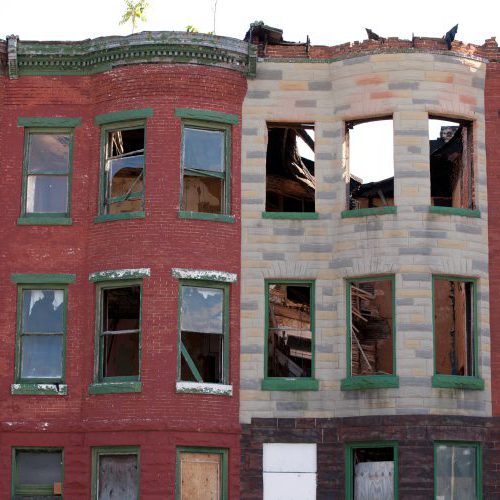
Detroit’s real estate market has begun a recovery. According to S&P Case Shiller, Detroit home prices rose 6.4% between October 2015 and October 2016. However, a close look at the index shows that Detroit home prices are barely higher than in 2000.
Case Shiller uses a measurement with a base of home prices over a decade and a half ago.
The S&P CoreLogic Case Shiller 20-City Composite Home Price Index is a value-weighted average of the 20 metro area indexes. The indexes have a base value of 100 in January 2000; thus, for example, a current index value of 150 translates to a 50% appreciation rate since January 2000 for a typical home located within the subject market.
Detroit’s current index number is 109.79. The 20-city index is 191.79. The largest increase for the 16-year period is Los Angeles, with an index of 252.58. Eight cities, which include Los Angeles, have an index over 200. They also include Miami, Portland, San Diego, San Francisco, Seattle and Washington.
[nativounit]
Property values versus bank lending rules may be one cause for the problem. According to The Wall Street Journal:
Detroit’s depressed housing market remains one of the city’s biggest hurdles to recovery roughly 22 months after it emerged from a historic municipal bankruptcy.
One of the thorniest problems has been the so-called appraisal gap: Low property appraisals have kept banks from making loans to prospective buyers, including those who want to restore vacant properties. The lack of new sales has, in turn, kept values depressed.
Another reason may be the ugly math of the city’s population. Detroit’s population was 677,116 in 2015, compared to 713,777 in 2010, which was a 25% drop from 2000. The number of people left to buy homes has plummeted. And the people left are, on the whole, extremely poor and probably tough credit risks in many cases. The median household income in Detroit was $25,787 in 2010, less than half the national average. Just over 32% of the families in the city lived at or below the poverty level.
Detroit’s recent housing recovery may appear good. Looking back over the history of home prices in the 21st century, it barely exists at all.
[wallst_email_signup]








 Top Gaining Stocks
 Top Losing Stocks