


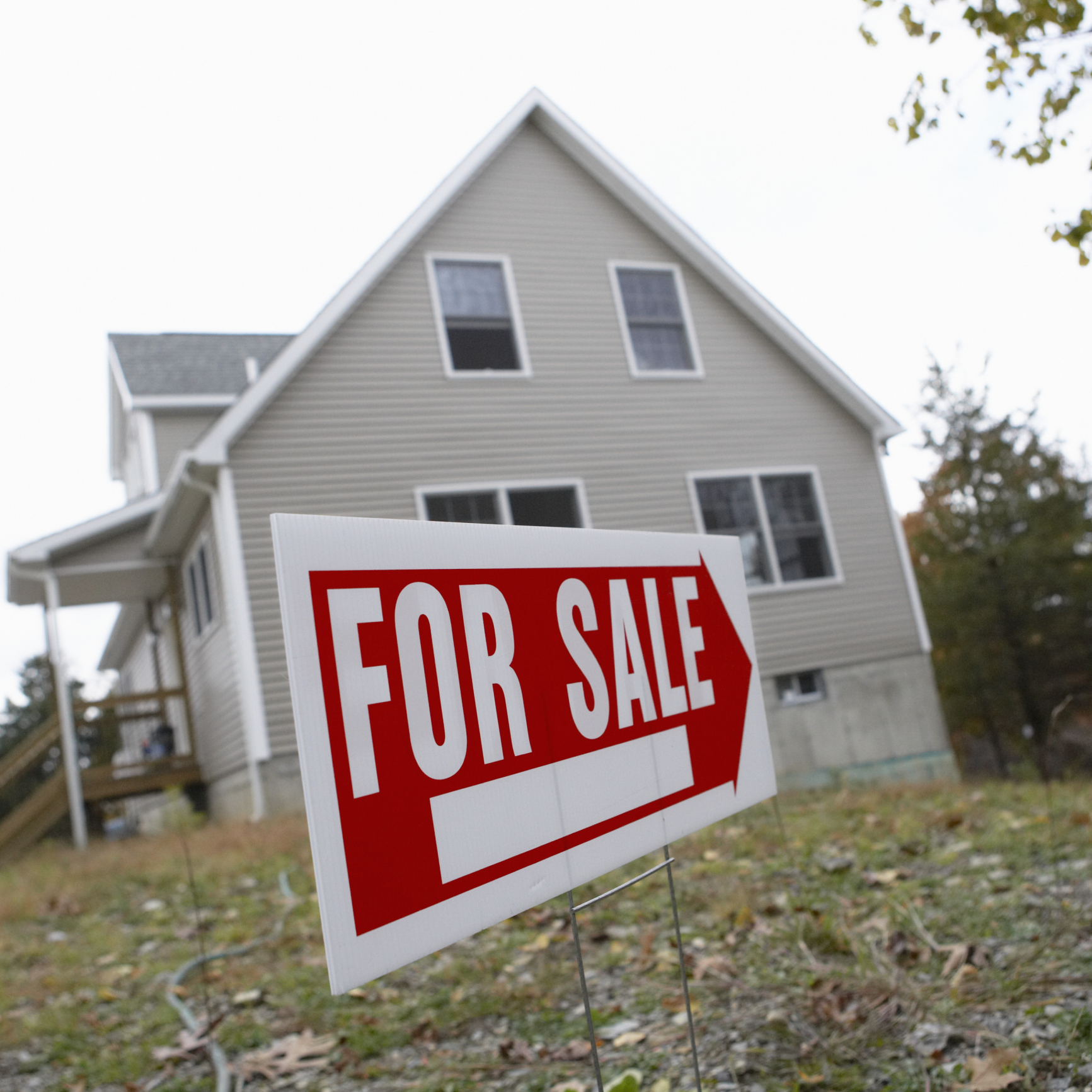
It’s a truism that buying a home is the largest purchase that most Americans will make in their lifetimes. With the average home price in the United States now over $250,000, it’s not hard to see why that’s a truism. Who has that much cash to lay down?
Buying a home is not simple, and there are any number of ways to screw it up. The result could be either that you get the home you want but at a price you can’t really afford or you miss out on a home you want because you made a mistake you could have avoided.
The pros at Realtor.com have drawn up a list of seven common mistakes home buyers can make that will either cost them the home they want or end up costing them far more money than they thought.
[nativounit]
Here are the seven most common errors home buyers can make:
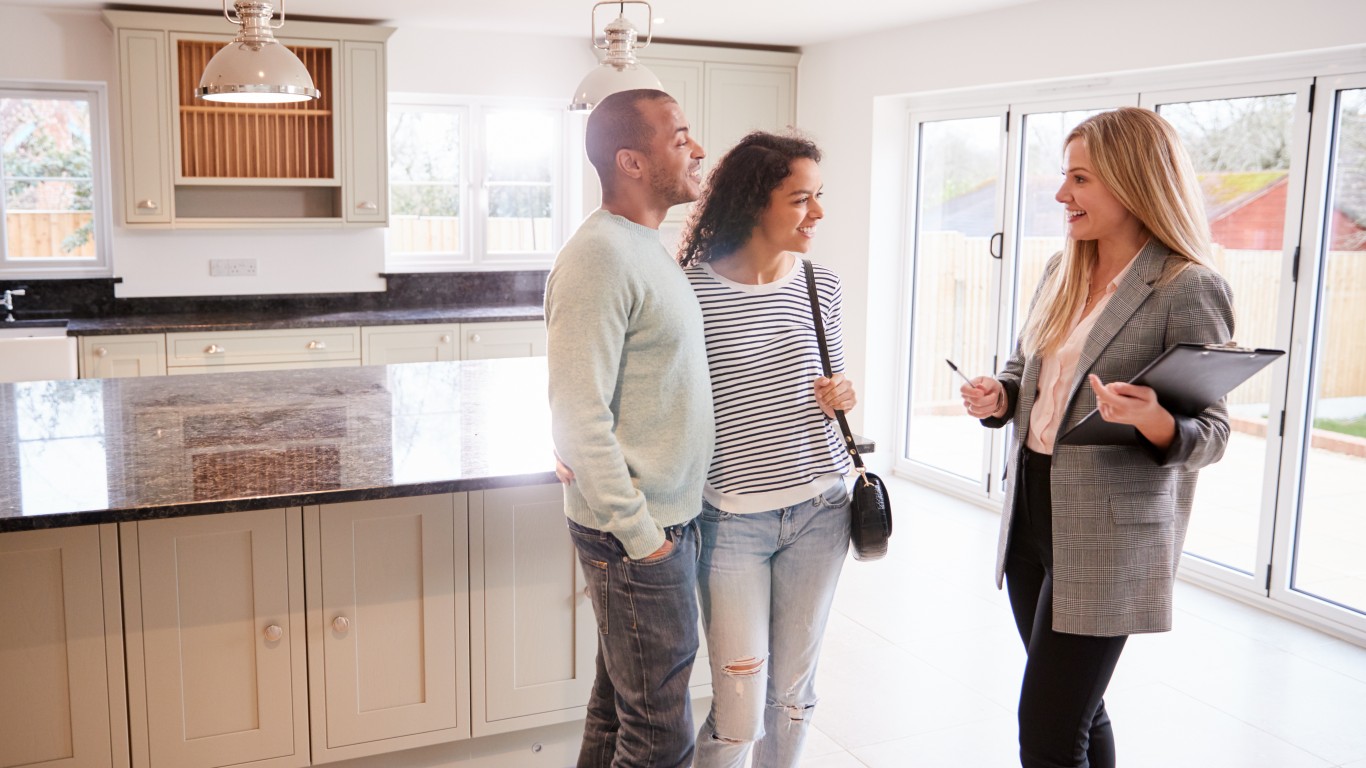
Don’t look for a home without an agent. Looking at pictures on the web or driving around looking at neighborhoods is okay when you first get started, but when the time rolls around to get serious, find an agent to help you out and to look out for your best interests.
Don’t talk to just one mortgage lender. Getting preapproved (not prequalified) for a mortgage loan involves a mountain of paperwork and it is important to shop around. A mortgage broker can help by presenting a number of options.
Don’t understate your budget. If, by your own calculations, you can afford a home priced at $400,000, don’t tell your real estate agent that the most you can pay is $300,000. That narrows the range of choices available the agent will show you and you could miss out on the home that is best for you.
Don’t hold out for the perfect house. There is no such thing as the perfect house. Make a list of “must-haves” and list of “nice-to-haves” and focus on what really matters to you.
Don’t make lowball offers. You need to face the fact that in most parts of the country it’s a sellers’ market right now. Your agent can look at comparable sales and tell you if the house is or is not worth the asking price. Going in with a bid that’s a little below that price leaves room for negotiation, but going in with a ridiculously low offer is a losing strategy.
Don’t forget to budget for closing costs. Closing costs vary, but typically run to 2% to 7% of the purchase price. Make sure you have enough cash after the down payment to pay these costs.
Don’t make a big purchase before you close. If you decide to buy a new car while you’re in the process of buying a new house, the lender will have to reevaluate your finances and you may lose your financing. Wait until you’ve got the home you want before buying a big-ticket item.
[wallst_email_signup]








 Top Gaining Stocks
 Top Losing Stocks