


The U.S. housing market has been on a wild ride for two and a half years, and recent price increases have made some experts call it overheated. Prices nationwide have risen 20% per month year over year in 2022, according to the S&P Case-Schiller housing index. In some cities, homes for sale got more than one bidder, and sometimes these homes sold for above the asking price. Those days are over.
The primary reason home prices have risen so fast is mortgage rates that dropped below 3% for a 30-year mortgage. Despite the current recession, those have risen above 5% in some cases. And Americans have relocated for lifestyle reasons to cities that have what is considered better quality of life. The COVID-19 shutdown of offices has helped this, as more people work from home.
One hallmark of the housing frenzy is that the inventory of homes for sales fell sharply in most cities. That has begun to end. In several areas, home prices have been cut and inventory is readily available. People who hoped to make money on their homes as prices rose have lost that option in places where homes for sale have become plentiful.
[nativounit]
The good news for buyers is that home prices have stopped accelerating and, in many cases, have come down. More sellers are willing to negotiate.
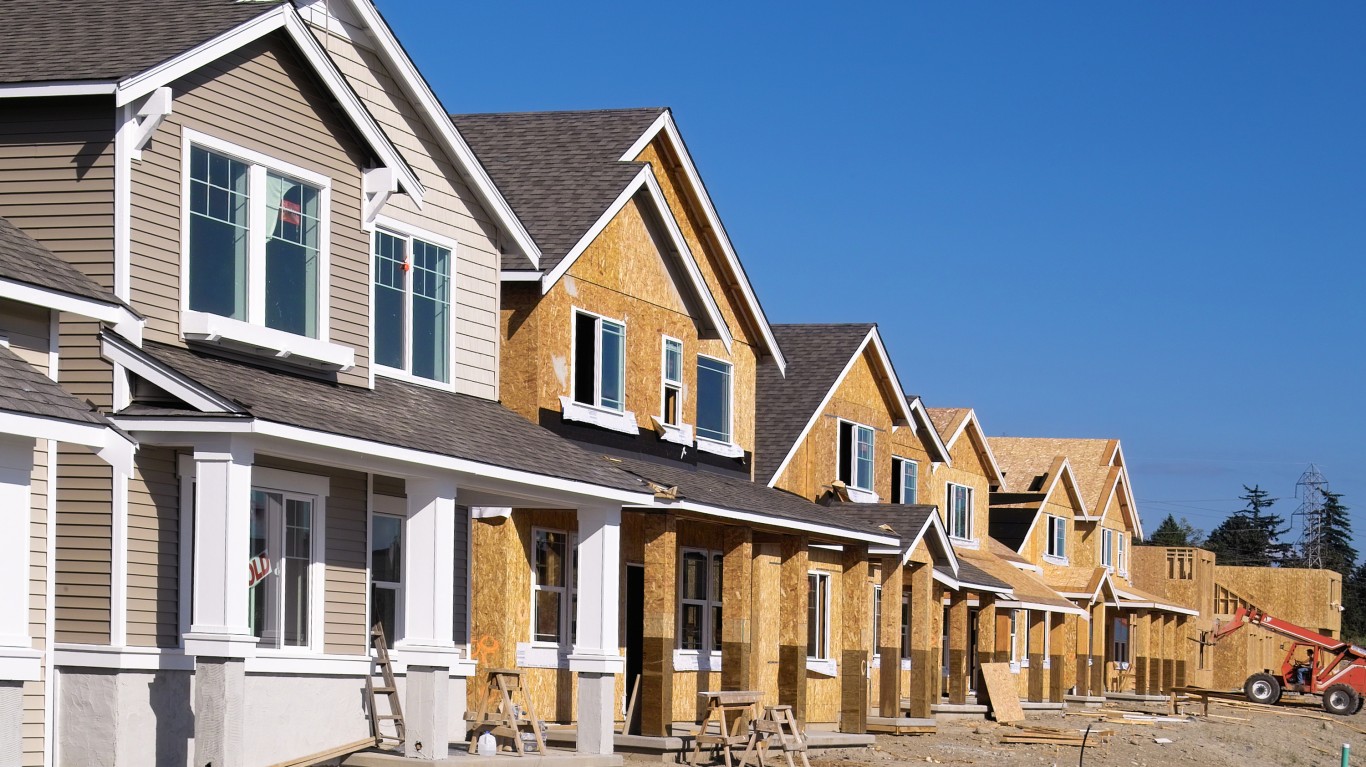
A group that has been badly hurt by this new trend is builders. The rise in demand over the past two years set off a rush of efforts to build new houses. These builders are stuck with inventory they cannot sell, and they have to pay carrying costs for this construction.
[wallst_email_signup]
Bloomberg recently reported that “An abrupt halt to the pandemic housing boom has left builders that started construction months ago scrambling to adapt. The US supply of new homes relative to sales in June was the highest since the midst of the last crash in 2010.” The housing market has taken as rapid a turn as at any time since the 2008/2009 recession.
[recirclink id=1159989]
The home market will not look like it did during the Great Recession. In that period, many home loans were adjustable rate mortgages given to people who could not afford them. Defaults and foreclosures soared. Most home loans today are carefully vetted for sufficient income.
America finally has too many houses. This will put even more pressure on home prices. While the spiral down will not affect most people, builders are in real trouble.









 Top Gaining Stocks
 Top Losing Stocks