


Caterpillar Inc. (NYSE: CAT) and E.I. du Pont de Nemours and Co. (NYSE: DD) were two of the Dow stocks that came out on the negative side for 2015. Each company faced its share of challenges in 2015, and for the most part the outlook is not exactly clear for Caterpillar or DuPont going into 2016.
24/7 Wall St. wanted to see what the strategists and analysts on Wall Street expect for the stock market in 2016. It turns out the bull market was interrupted in 2015, as the Dow Jones Industrial Average closed out the year at 17,425.03 for a change of -2.2% for the year. That may be hardly a reason to call a bear market ahead, but it follows six straight years of gains.
The selling pressure in the first week of 2016 has been strong enough that it has many investors on edge. Both companies face pressure from slowing demand in major growth markets in the world. Both also are suffering from the strong dollar.
Caterpillar
While the index performance of the Dow does not account for individual stock dividends, Caterpillar ended 2015 at $67.96, for a loss of 23%, including its dividend adjustments. For the year ahead, the consensus analyst price target from Thomson Reuters is $68.19. If the analysts are correct, the expected total return for Caterpillar would be 4.9%, if you include its dividend yield of 4.53%.
Because 2016 has gotten off to a very bumpy start, Caterpillar shares were trading at $63.77 just a few days into the new year.
[recirclink id=307400]
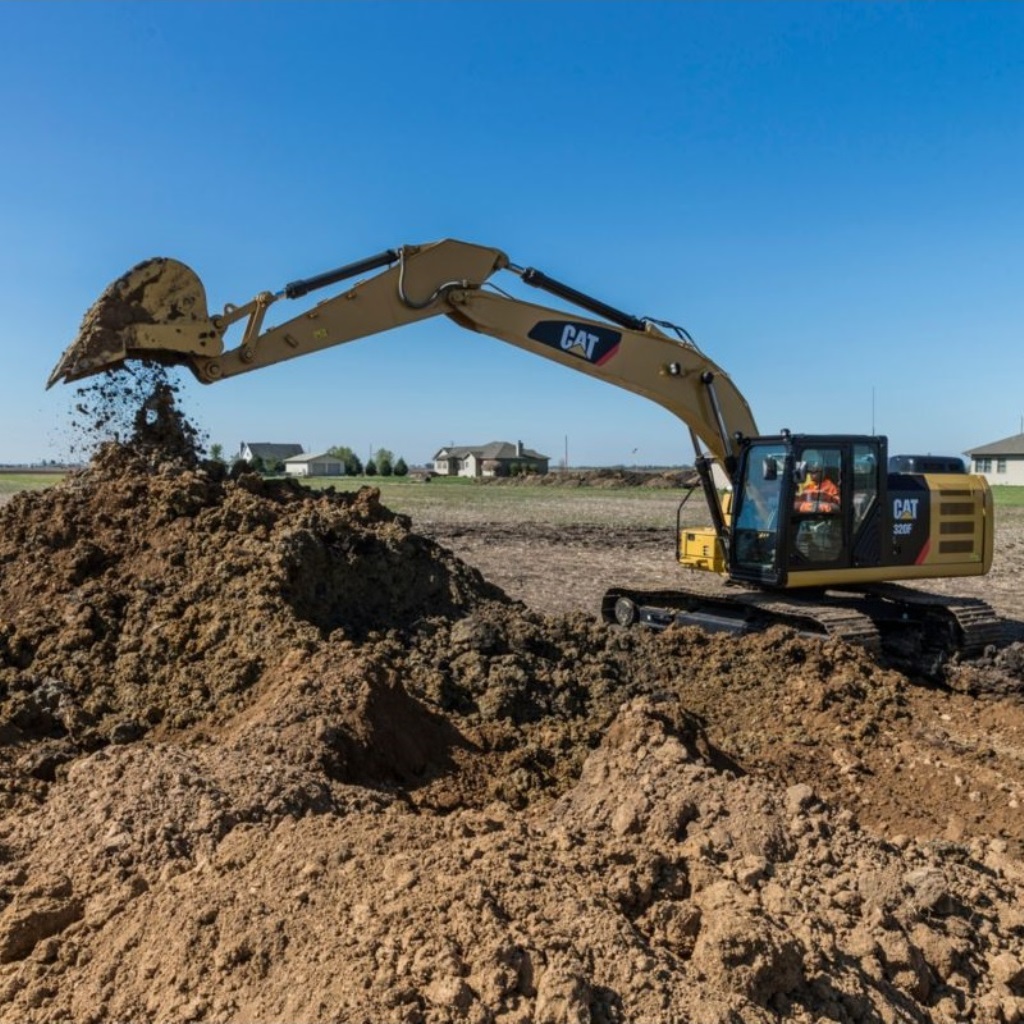
Caterpillar has not always been very high on the Dow totem pole for dividends. The company’s problem is that every commodity market remains under pressure. Also, every growth market is running at slower pace or contraction, and that strong dollar is hurting its ability to export at a time when fewer nations and companies want heavy gear like this. Maybe the infrastructure pact in the United States will smooth things out for Caterpillar.
China, Brazil and other growth markets have little growth at this point. Those monthly sales figures have looked so bad in 2015 that a global turnaround just seems quite a ways off. Caterpillar was once projected to rise to well over $100 per share, but those days are now a distant memory. Earnings per share in 2016 are expected to be down by almost half from 2014 — and what if things get even worse?
Caterpillar slid to its current position steadily since the beginning of last year, and only recently does the stock look like it might rebound from these lows. As it is one of the world’s largest producers of industrial goods and vehicles, the slowdown in China’s economy has had a large impact on Caterpillar to the downside. It doesn’t help that China is seemingly moving away from a manufacturing economy to a consumer-oriented one.
It appears that the only way that Caterpillar can turn itself around in 2016 is through a weakening dollar and emerging markets coming back online.
DuPont
As 2015 came to a close, DuPont shares settled at $66.60, for a loss of 2.7%, including its dividend adjustments.
For the year ahead, the consensus price target is $71.50. If the analysts are correct, the expected total return for DuPont would be 9.6%, if you include its dividend yield of 2.28%.
DuPont shares have also suffered from the very bumpy start to 2016, down to $60.79 after a few days of trading.
[recirclink id=307136]
DuPont has entered a definitive agreement to merge with Dow Chemical Co. (NYSE: DOW) and form the combined company DowDuPont. Prior to the official announcement of the merger, the companies were up roughly 12% each, but they gave it all back after the merger was confirmed. It turns out this deal isn’t what investors first thought it was, which could have a big impact in 2016.
After the companies are merged, there is a plan to restructure into three different smaller companies, which will be spun off. It sounds confusing at first, but it makes sense from a regulatory perspective. But when the company splits, who will hold the spot in the Dow, or will it be replaced?
There is a lot up in the air for these companies at the moment, and it’s difficult to make heads or tails of it and what direction these companies are headed. Management sees this transaction as a “gamechanger,” but at this point we really just need more information to ascertain the end game.










 Top Gaining Stocks
 Top Losing Stocks