


 American internet speeds are slow, very slow by international standards. That may be one of the reasons that the $787 billion economic stimulus package has a large financial commitment to building broadband infrastructure.
The US ranks 28th among large countries in internet connection speeds according to new data from the Communications Workers of America. The organizations has a reason to track the information. Many of the union members’ jobs rely on cable and telecom firms continuing to invest to build larger broadband systems, particularly the communications giants Comcast (CMCSA), Time Warner Cable (TWC), AT&T (T) and Verizon (VZ).
The Internet speed champions are led by South Korea, Japan, Sweden, and the Netherlands. In many parts of America particularly those outside big cities, the interest is remarkably slow by global standards. Only 46% of rural households in the US have broadband connections. Alaska, not surprisingly, has the slowest internet connection speeds in America. Delaware and Rhode Island are at the top of the speed list. The CWA says it would take America fifteen years to catch South Korea in Internet connection speeds based on the rate at which US broadband adoption is running today.
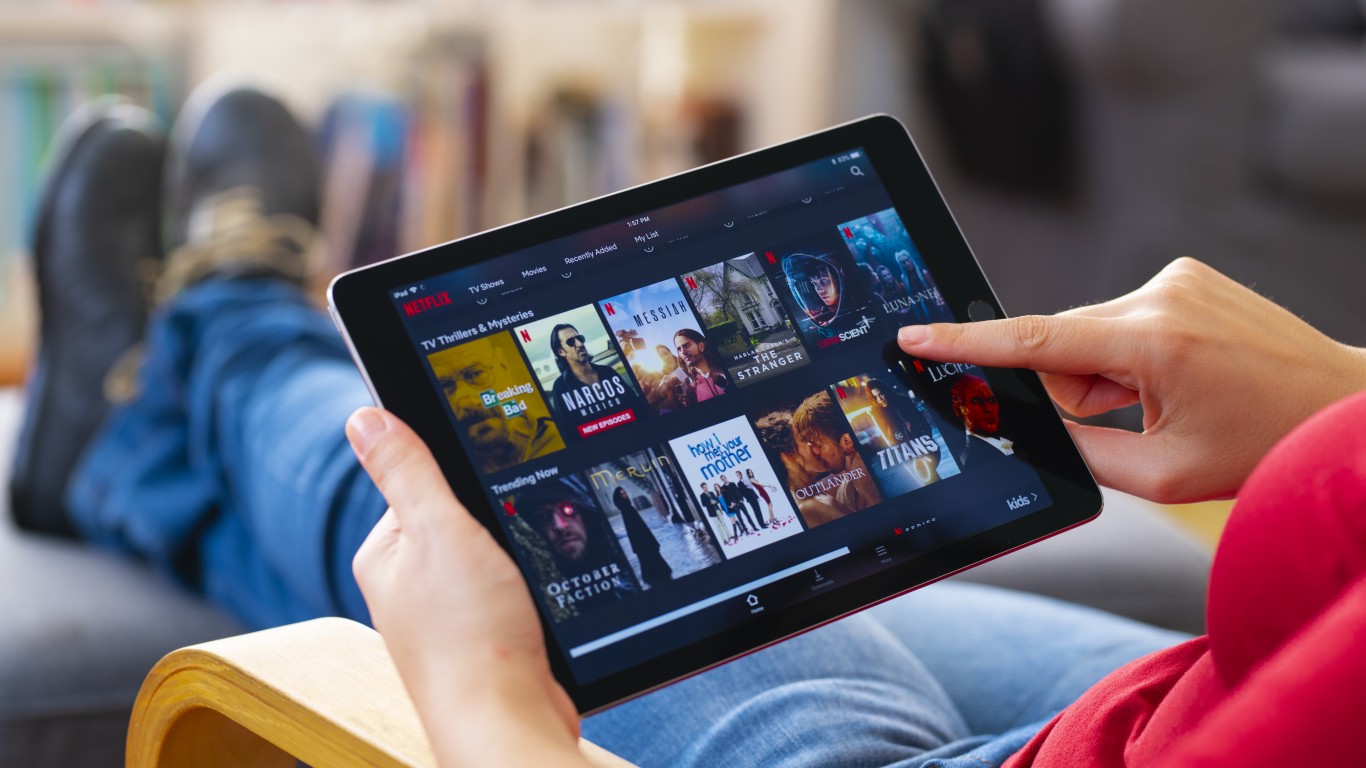
Broadband quality does affect the national interest. The Internet is now used to give subscribers access to news and entertainment, and the video portion of that content relies on good connections speeds. Businesses have become more dependent on the Internet to transfer large files from one location to another and for e-mail, VoIP, and other communications tools.
The Administration’s commitment to broadband may allow the US to be more competitive with other developed nations, but farmers are likely to have to live with dial-up, probably for years. It is simply too expensive to get them bigger pipes.
Douglas A. McIntyre







 Top Gaining Stocks
 Top Losing Stocks