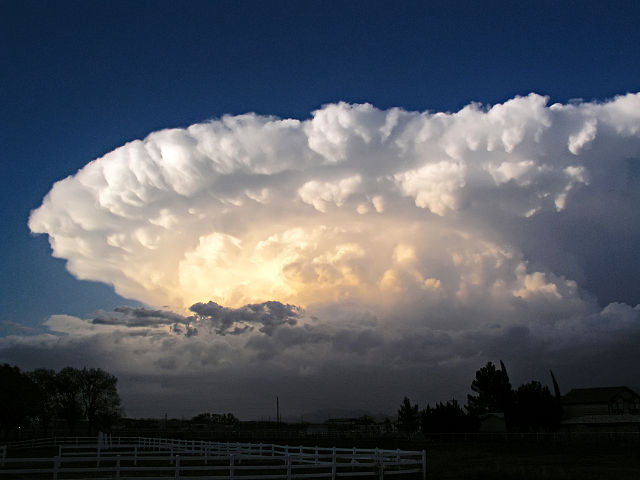
Myths About Tornado Safety

Photo of Douglas A. McIntyre
By Douglas A. McIntyre Published
This post may contain links from our sponsors and affiliates, and Flywheel Publishing may receive compensation for actions taken through them.

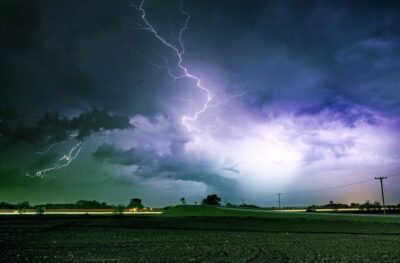
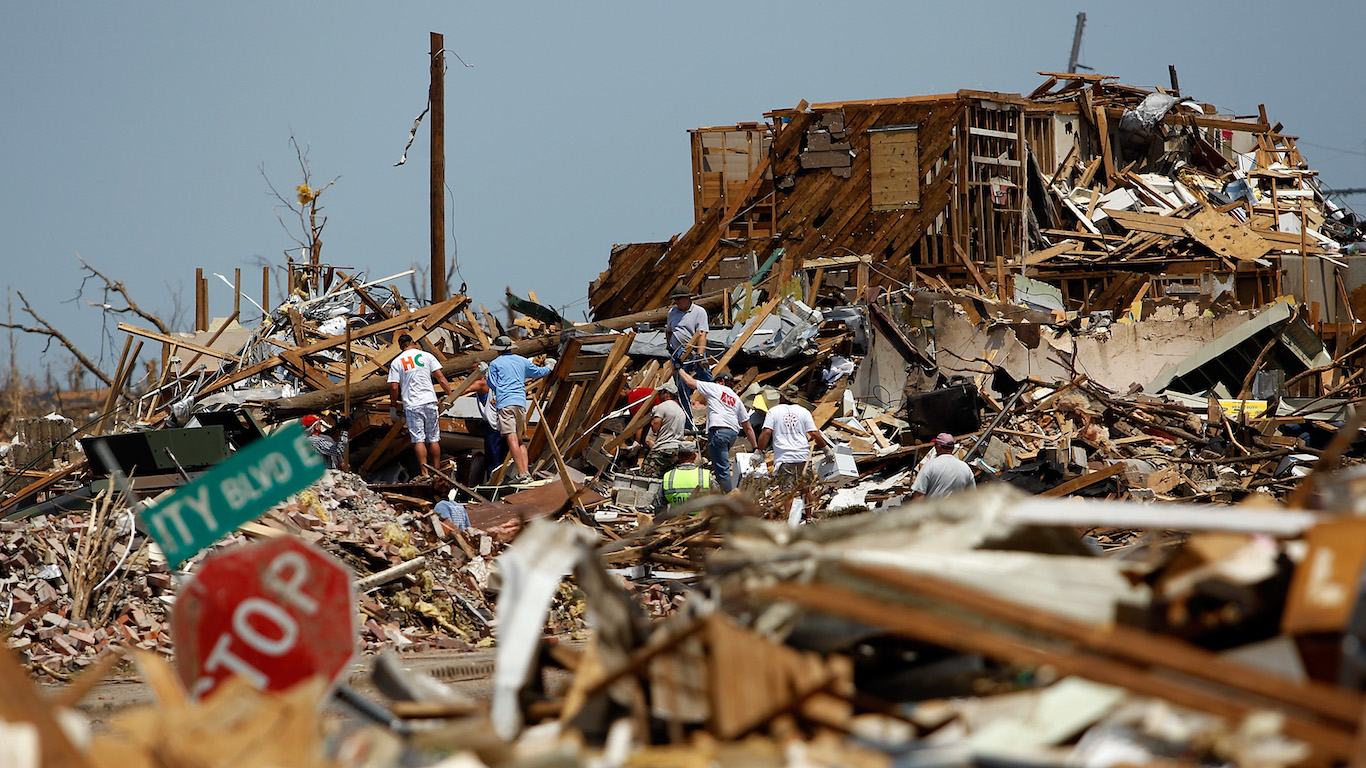
As tornado season begins in earnest, and several large tornadoes already have injured and killed Americans this year, especially in Iowa and Texas, the National Oceanic and Atmospheric Administration (NOAA) has put out a list of tornado myths, some of which have been part of the advice given to people for years.

Many people believe that among the best places to be protected from a tornado, if they cannot get into a shelter or a basement because they are caught out in the open, is under bridges. Not so:

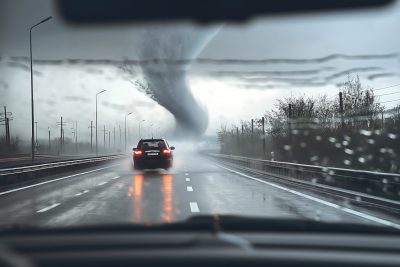
Bridges and overpasses are not safe shelters from tornadoes. The structures may enhance the winds and blast flying debris into and under the structure, and into you! A strong tornado may even cause the bridge or overpass to collapse on top of you. If you’re driving and encounter a tornado moving toward you, your best option is to drive in the opposite direction and attempt to get out of its path.

In other words, run away.

ALSO READ: 9 States Running Out of Water

Watching for tornadoes as a means of avoiding them is another tactic that may not work:

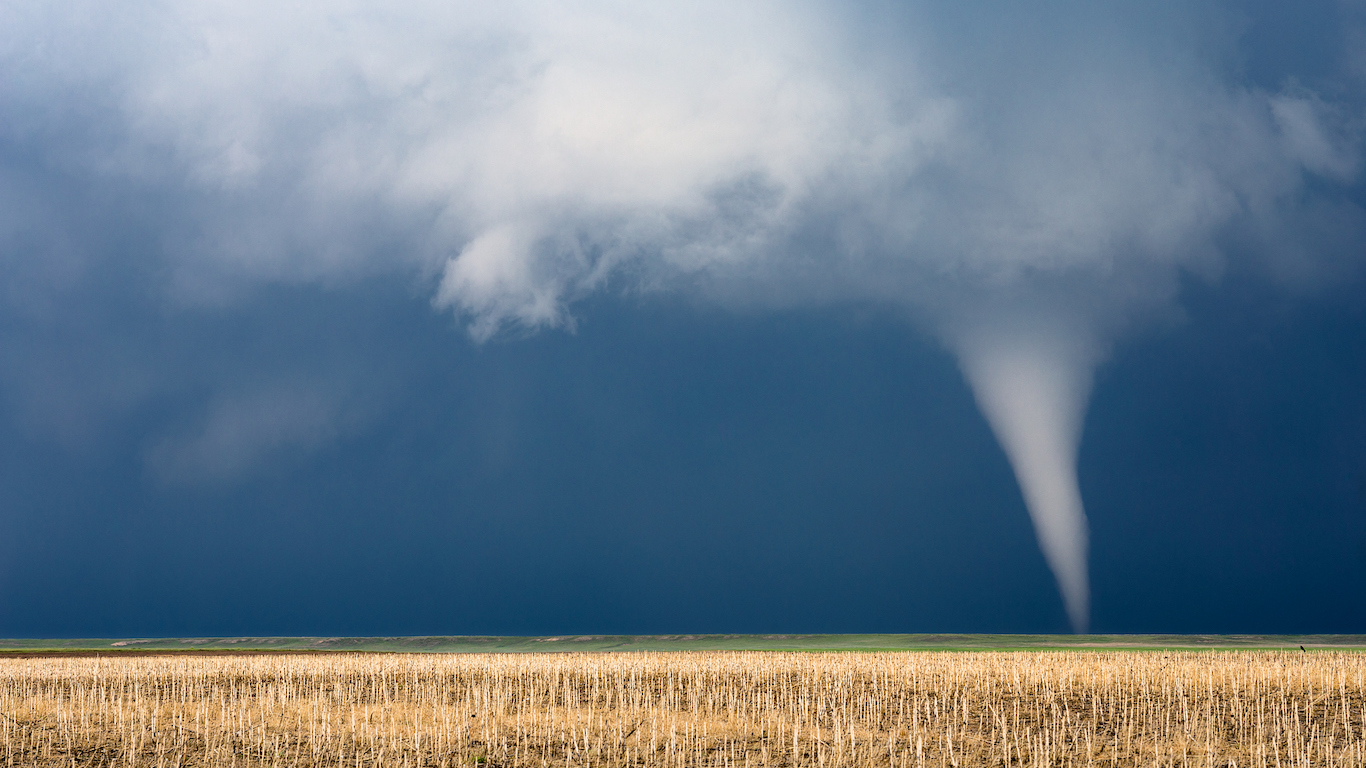
Tornadoes do not always have to appear as a visible funnel cloud and can be hidden by heavy rainfall during the day or by darkness at night. Sometimes tornadoes are so wide that you may not realize what you’re seeing until it’s too late. Over the years, there have been numerous reports of tornadoes that are nearly a mile wide.

People are better off facing a thin tornado.

Tornadoes will not damage property or hurt people in large cities. Hopefully, no one is stupid enough to believe that tornadoes have both eyes and the ability to judge where they will appear and travel:

Many cities, including Fort Worth, Dallas, Atlanta, and St. Louis have been struck by tornadoes. However, cities are hit by tornadoes much less frequently than less populated areas. This isn’t because tornadoes have an aversion to big cities, but more likely because there just aren’t that many big cities that happen to be in the path of a tornado. When you compare the area of the U.S. covered by cities to the area that is not, you will find that there is much more open space, especially in tornado alley. This means that cities make for a relatively small target for a tornado to hit.

In terms of tornadoes, Boston and San Francisco are safe cities.

Memorizing these facts may be critical, at least for people who live in Tornado Alley.

ALSO READ: 10 Reasons Why Everything in the World Is About to Change

Photo of Douglas A. McIntyre
About the Author Douglas A. McIntyre →

Douglas A. McIntyre is the co-founder, chief executive officer and editor in chief of 24/7 Wall St. and 24/7 Tempo. He has held these jobs since 2006.

McIntyre has written thousands of articles for 24/7 Wall St. He is an expert on corporate finance, the automotive industry, media companies and international finance. He has edited articles on national demographics, sports, personal income and travel.

His work has been quoted or mentioned in The New York Times, The Wall Street Journal, Los Angeles Times, The Washington Post, NBC News, Time, The New Yorker, HuffPost USA Today, Business Insider, Yahoo, AOL, MarketWatch, The Atlantic, Bloomberg, New York Post, Chicago Tribune, Forbes, The Guardian and many other major publications. McIntyre has been a guest on CNBC, the BBC and television and radio stations across the country.

A magna cum laude graduate of Harvard College, McIntyre also was president of The Harvard Advocate. Founded in 1866, the Advocate is the oldest college publication in the United States.

TheStreet.com, Comps.com and Edgar Online are some of the public companies for which McIntyre served on the board of directors. He was a Vicinity Corporation board member when the company was sold to Microsoft in 2002. He served on the audit committees of some of these companies.

McIntyre has been the CEO of FutureSource, a provider of trading terminals and news to commodities and futures traders. He was president of Switchboard, the online phone directory company. He served as chairman and CEO of On2 Technologies, the video compression company that provided video compression software for Adobe’s Flash. Google bought On2 in 2009.

Continue Reading

Top Gaining Stocks

CBOE Vol: 1,568,143
PSKY Vol: 12,285,993
STX Vol: 7,378,346
ORCL Vol: 26,317,675
DDOG Vol: 6,247,779

Top Losing Stocks

LKQ
LKQ Vol: 4,367,433
CLX Vol: 13,260,523
SYK Vol: 4,519,455
MHK Vol: 1,859,865
AMGN Vol: 3,818,618