


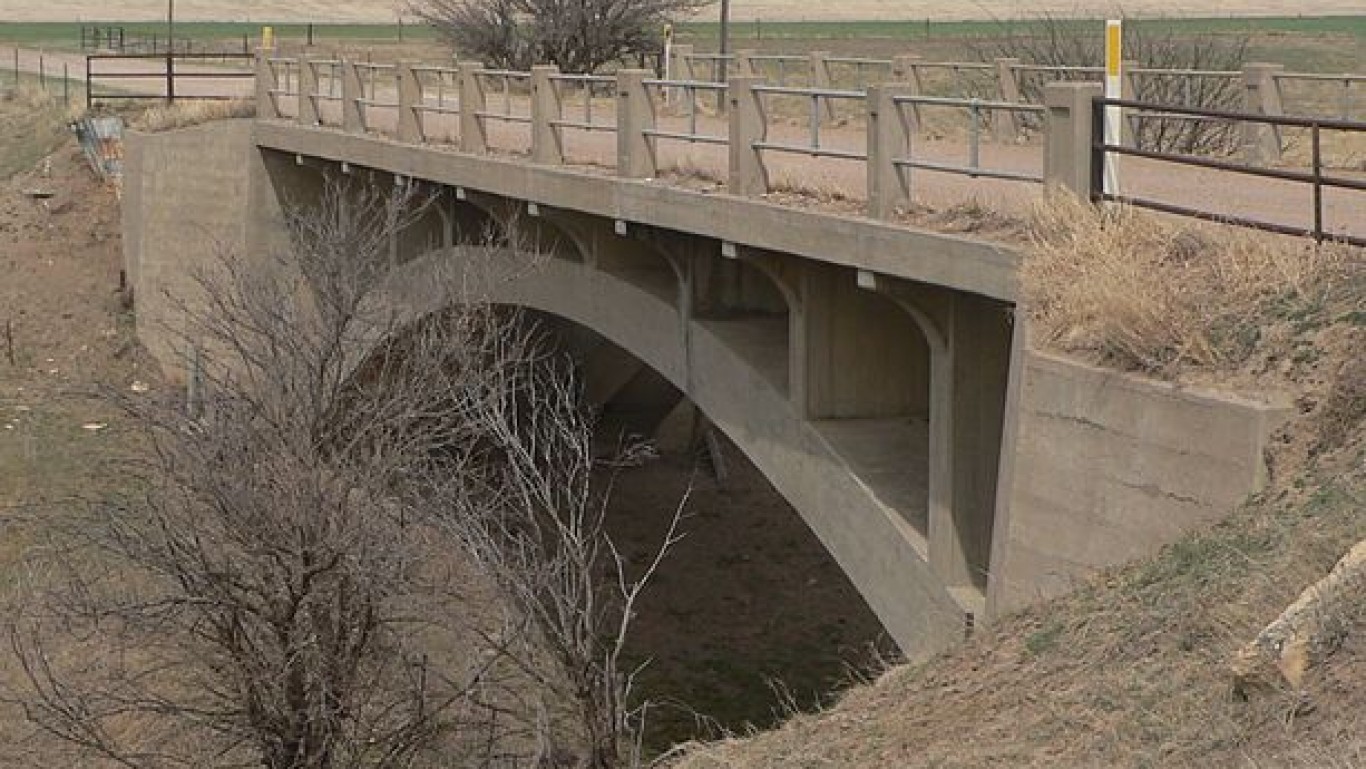
The old saying that you have to spend money in order to make money gained more support on Friday. The Business Roundtable released a report that federal spending of $737 billion over 10 years in infrastructure projects like surface transportation, aviation and water resources could generate an additional $5.9 trillion in gross domestic product over a 20-year period.
The analysis was prepared by the University of Maryland’s Interindustry Forecasting Project for the Business Roundtable, a group comprised of CEOs of U.S. companies that employ more than 16 million employees and generate more than $7 trillion in annual revenues.
Every dollar invested in infrastructure drives about $3.70 in additional economic growth, according to analysis. For the average U.S. household, disposable income would rise by $1,400 a year for 20 years. That works out to $28,300 by 2038.
[nativounit]
Mike Burke, AECOM chair and chief executive, as well as chair of the Business Roundtable Infrastructure Committee, said:
From crumbling roads to outdated water systems, America’s aging infrastructure has been an impediment to maximizing economic growth. Making big investments to modernize our highways, bridges, airports and waterways will produce greater returns for all Americans. Workers will see more job opportunities and larger wages. Families will see higher household incomes. And businesses can shift into a higher gear as renewed infrastructure provides our economy with a stronger foundation.
In addition to its other benefits, the 10-year infrastructure spending would lift the average wage by $1.34 an hour (inflation adjusted) and would lift labor productivity growth above a baseline projection by 3.8% in the same time frame. A total of 1.1 million new jobs would be created over the 10-year period.
Once the 10-year, $737 billion investment is completed, annual spending on infrastructure in the range of 1.2% of GDP (about $233 billion based on 2017 GDP of $19.39 trillion) would maintain the system improvements in good repair.
The Business Roundtable website has a state map showing how infrastructure spending would affect people in every state, along with links to a summary of the report and the full report itself.
[recirclink id=468994]
[wallst_email_signup]











 Top Gaining Stocks
 Top Losing Stocks