


 The visit of China’s president Hu Jintao has given several US companies an opportunity to announce deals with a variety of Chinese companies in everything from clean energy projects to airplane avionics. It’s good PR for both countries, highlighting exports and jobs for the US and technology partnerships for China. Which country is getting the better of the deals remains to be seen.
The lure of vast state subsidies for Chinese industry is too tempting for US companies to resist. In exchange for these investments and joint ventures, US firms are compelled to give up sophisticated technology that the Chinese have yet to develop. One side is playing a short-term gain, while the other is looking for a long-term advantage.
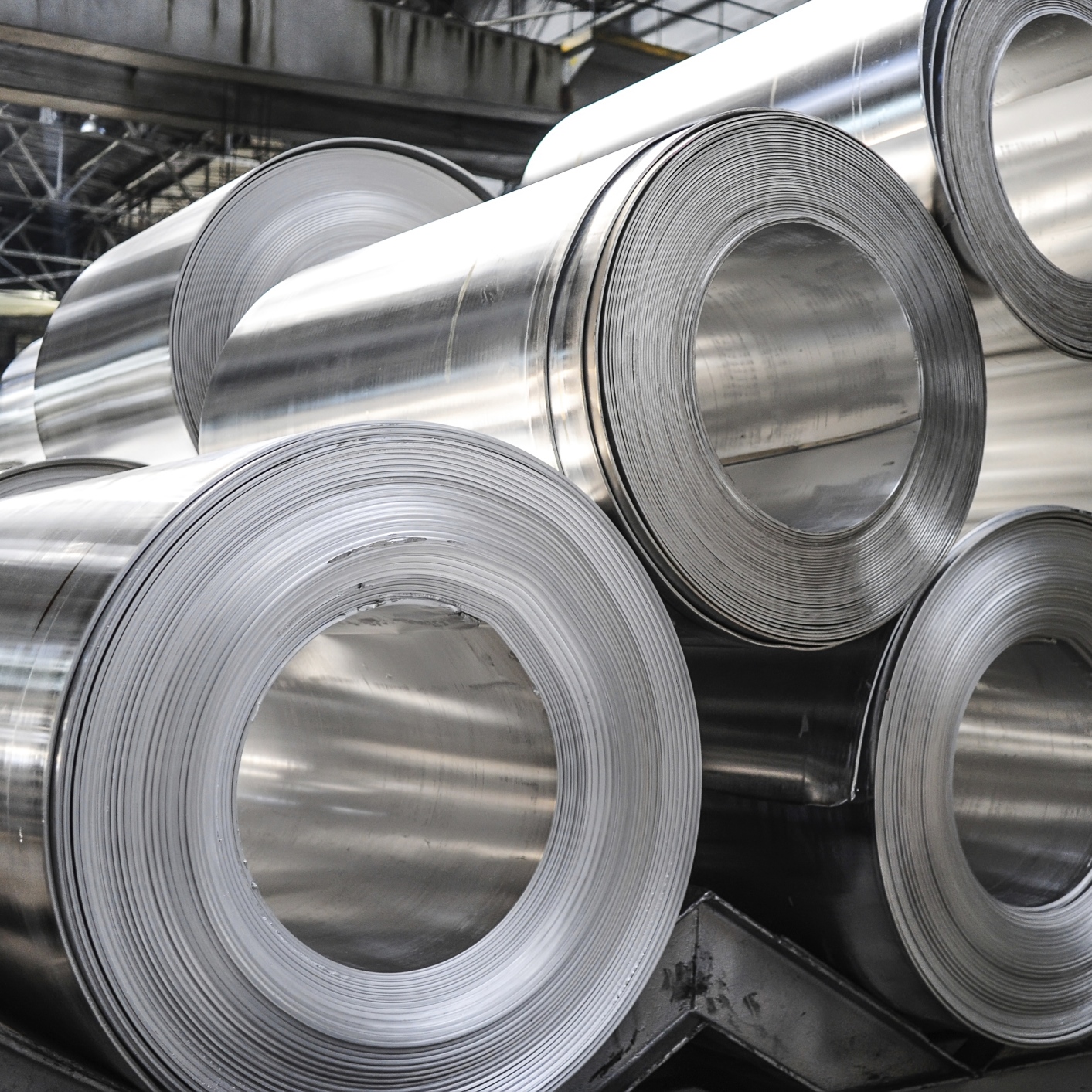
General Electric Co. (NYSE: GE), Alcoa, Inc. (NYSE: AA), Duke Energy Corp. (NYSE: DUK), American Electric Power Co. (NYSE: AEP), and Boeing Co. (NYSE: BA) all have new agreements with China. Alcoa, for example, said it will partner with Chinese companies on $7.5 billion in clean energy projects to reduce the pollution associated with aluminum smelting. Making aluminum requires enormous amounts of electricity, most of which China generates using coal. The Chinese want to work on wind- and solar-energy projects that will reduce the demand for coal in smelting.
GE will collaborate on combined heat and power gas turbines and coal gasification plants that are expected to generate some $650 million in revenues over the next five years or so. GE wil also sell some locomotives to China and create a joint venture to help develop a high-speed rail system in China.
By far the most important deal is a joint venture to supply avionics systems for China’s planned C919 passenger plane, a contract that could be worth up to $2 billion.
That avionics deal makes available technology now used by Boeing in its most advanced passenger planes available to a Chinese company that is expected to become a Boeing competitor in the middle of the current decade. There is also a concern that GE’s avionics technology could be use in China’s military aircraft.
But projected sales of commercial aircraft in China is expected to gin up some $400 billion in sales over the next 20 years, and GE cannot afford to leave its share of that pot on the table.
For its part, Boeing has chosen to both partner and compete with the Chinese. Other US manufacturers have made a similar decision, and whether that strategy is a good one depends to a large extent on the ability of US companies to create new and better products faster than their Chinese partners. Boeing and GE are betting that they can.
Paul Ausick






 Top Gaining Stocks
 Top Losing Stocks