


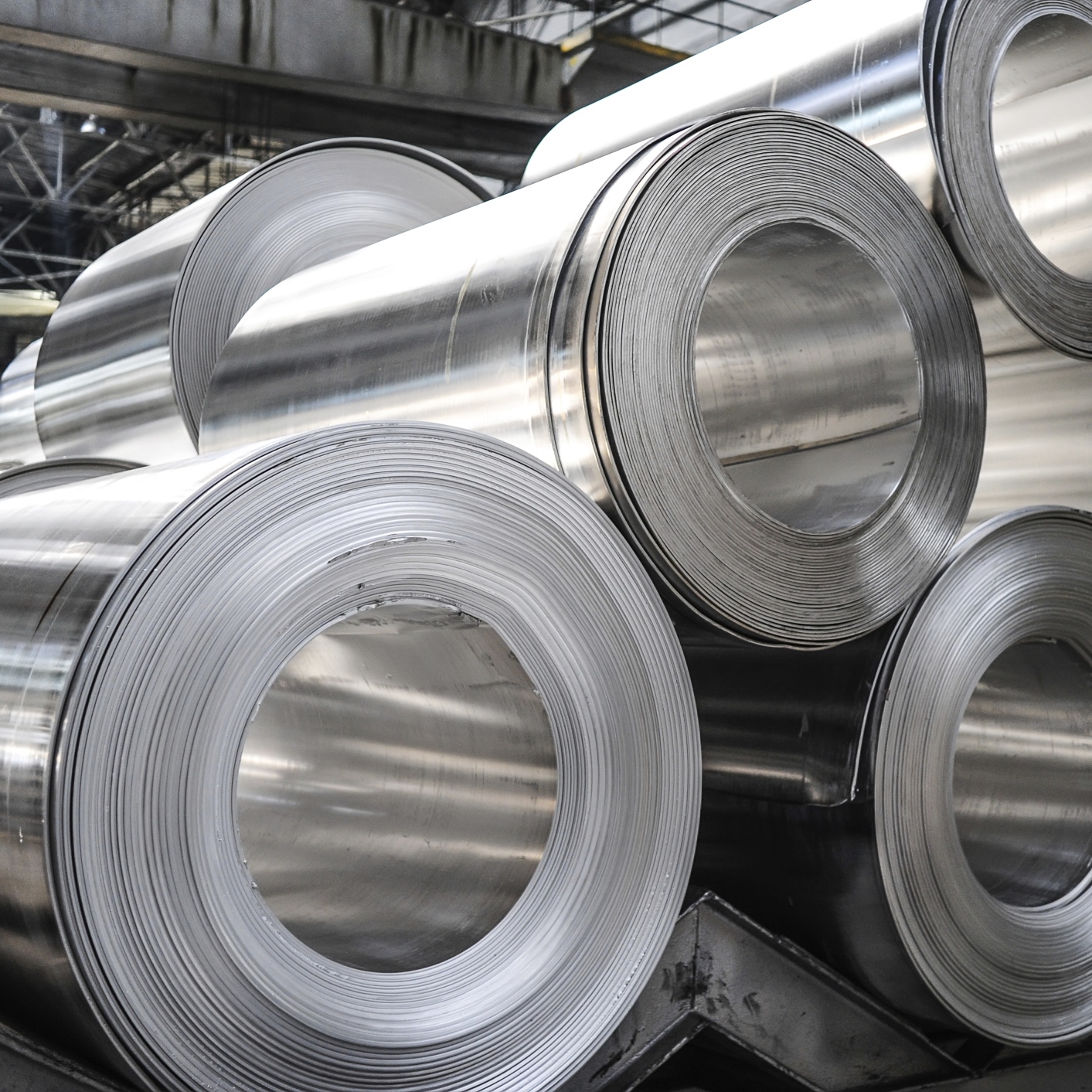
The S&P 500 ended another double digit gain year in 2025, close to +17%. While the main focus has been on precious metals, such as gold (+70%) and silver (+169%), other commodities made surprising record gains. One of them was the ubiquitous aluminum, which notched a 2025 +38% gain. This essential component of everything from beer cans to jet planes added +842 points between April 2025 and the end of the year.
The reasons for this scenario are partially related to US tariff policies and other geopolitical factors, but there are also processing and mining causes that give investors and analysts expectations for the current price trajectory to continue. I previously covered some companies whose stocks should benefit from price rises because of their crucial positions in the supply chain. This article will look at companies involved with mining or refining bauxite, the primary ore from which aluminum is derived, and their future prospects. Companies that investors will find of potential interest include:
- BHP Group Limited (NYSE:BHP | BHP Price Prediction)
- Rio Tinto plc (NYSE: RIO)
- Aluminum Corp. of China (OTC: ALMMF)
- Alcoa (NYSE: AA)
China’s Trickle-Down Effect On Aluminum
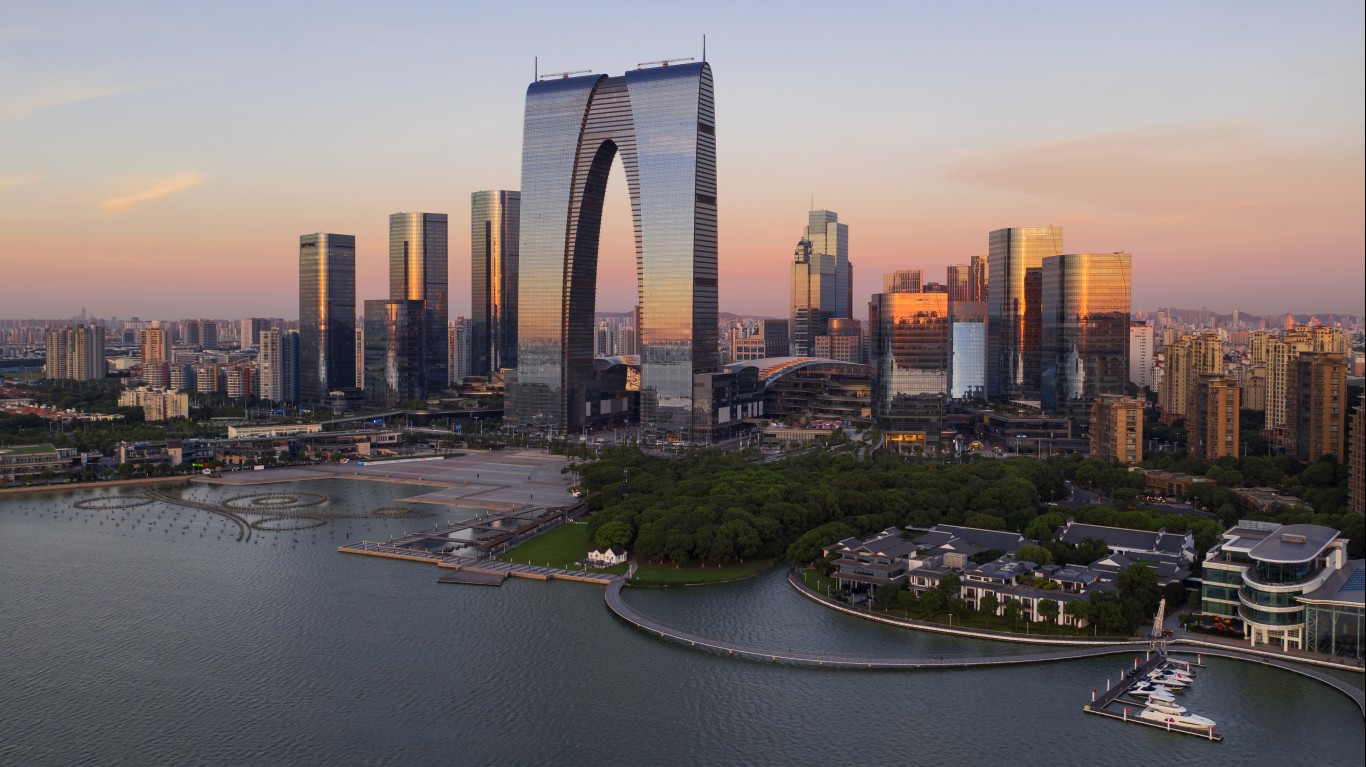
China’s huge production and domestic consumption of aluminum has gone into much of its construction sector.
China is the hands-down largest aluminum producer in the world. It also still exports most of the goods sold throughout the world in WalMarts, Targets, Boots, and other retail outlets, as China manufactures roughly 30% of all goods globally. In an effort to prevent deflationary pressures on its manufacturing base, it made a decision to prevent metal production overcapacity.
Although the decision to curb its projected 45 million metric tons of aluminum production was made independently, China’s smelters refrained from further expansion and the US reciprocal tariffs policy caused a domino effect that is also contributing to continued elevated aluminum prices:
- Since China was curtailing increased production and the US tariffs made exporting prohibitively expensive, companies sold their inventory locally within China.
- Exports of aluminum from China dropped 9.2%.
- China anticipated that trade disputes with the US would reach an accommodation before 2026 and initiated plans to add smelters in Indonesia.
- Indonesia’s unexpected increased costs and regulatory issues have delayed the new smelters from their projected production start dates.
- Concurrently, geopolitical risks and bauxite sourcing obstacles have plagued China’s ability to procure raw material from Australia, Iceland, and Mozambique, rendering Chinese smelting operations in those areas to reduced output.
BHP Group Limited
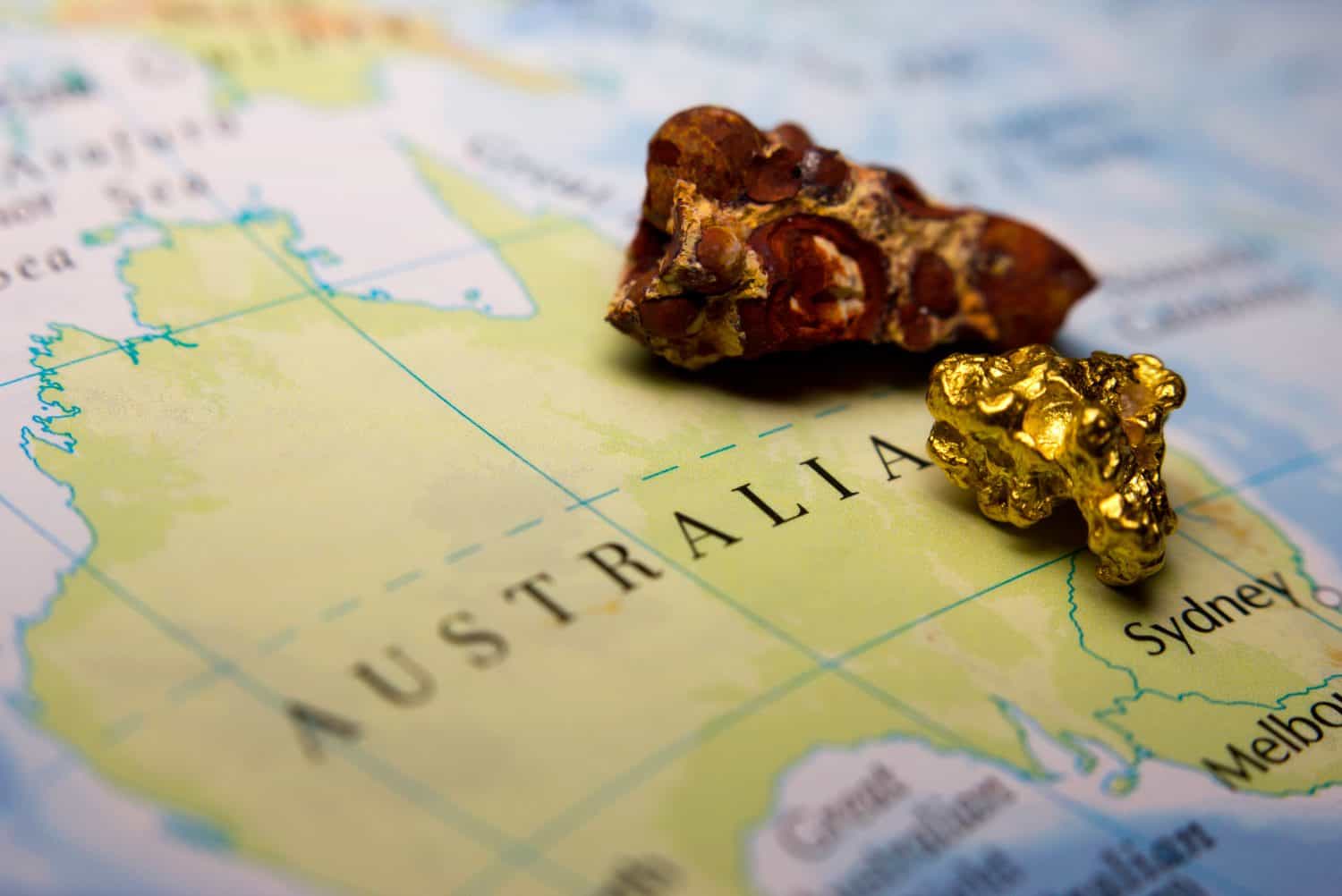
Australia’s BHP mines bauxite, although it is a relative afterthought compared to its much greater iron, copper, and other mineral output.
Melbourne, Australia’s BHP Group is the largest mining entity on the planet. Although its primary mining production output is focused on iron ore, copper, coal, and nickel, BHP produces a host of other minerals, including bauxite.
Although the company is vertically integrated for refining and processing, BHP sold off its aluminum downstream operations of the aluminum operations chain, so it no longer does its own bauxite smelting. So once bauxite is mined, it then processes it into alumina through its Worsley Alumina joint venture. The bauxite is crushed, mixed with caustic soda to separate the bauxite from iron ore or other impurities, then cooled into alumina powder. The alumina is then used for the making of aluminum when smelted.
While BHP’s other commodities comprise the bulk of its gross revenues, its bauxite and alumina operations are significant enough to the aluminum industry to afford BHP strategic clout in the overall aluminum value chain.
Even though BHP’s stock gained over 50% between April 2025 and December 2025, aluminum revenues likely were not a big revenue contributor, although its presence likely created a number of positive intangibles that aided its stock appreciation.
Rio Tinto plc
Aluminum is 25% of Rio Tinto’s gross revenues/
As the #2 largest mining company after BHP, Rio Tinto is also involved in a wide range of vertically integrated mining operations and products, with aluminum being one of its major production output items. Not only does Rio Tinto have bauxite mines and full refining capability of all stages of the value chain, Rio Tinto also operates recycling and produces recycled aluminum to suit customer demand.
Rio Tinto’s recycled aluminum has even warranted a brand: RenewAI, the first low CO2 aluminum brand. Its START label, which covers sustainability efforts throughout Rio Tinto’s aluminum processing protocols, includes recycled water, 80% reduction of greenhouse gases vs. the industry norm, and deliberate supply chain transparency and traceability. The company has also developed a zero greenhouse gas emission smelting technology in cooperation with Alcoa and Apple, with support from the Canadian and Quebec governments.
Rio Tinto’s aluminum operation has 11 separate locations. As of the start of Q4 2025, the company was projecting 2025 output between 3.25 and 3.45 million tons. Its aluminum operations contribute roughly 25% to the company’s gross revenues.
Aluminum Corporation of China
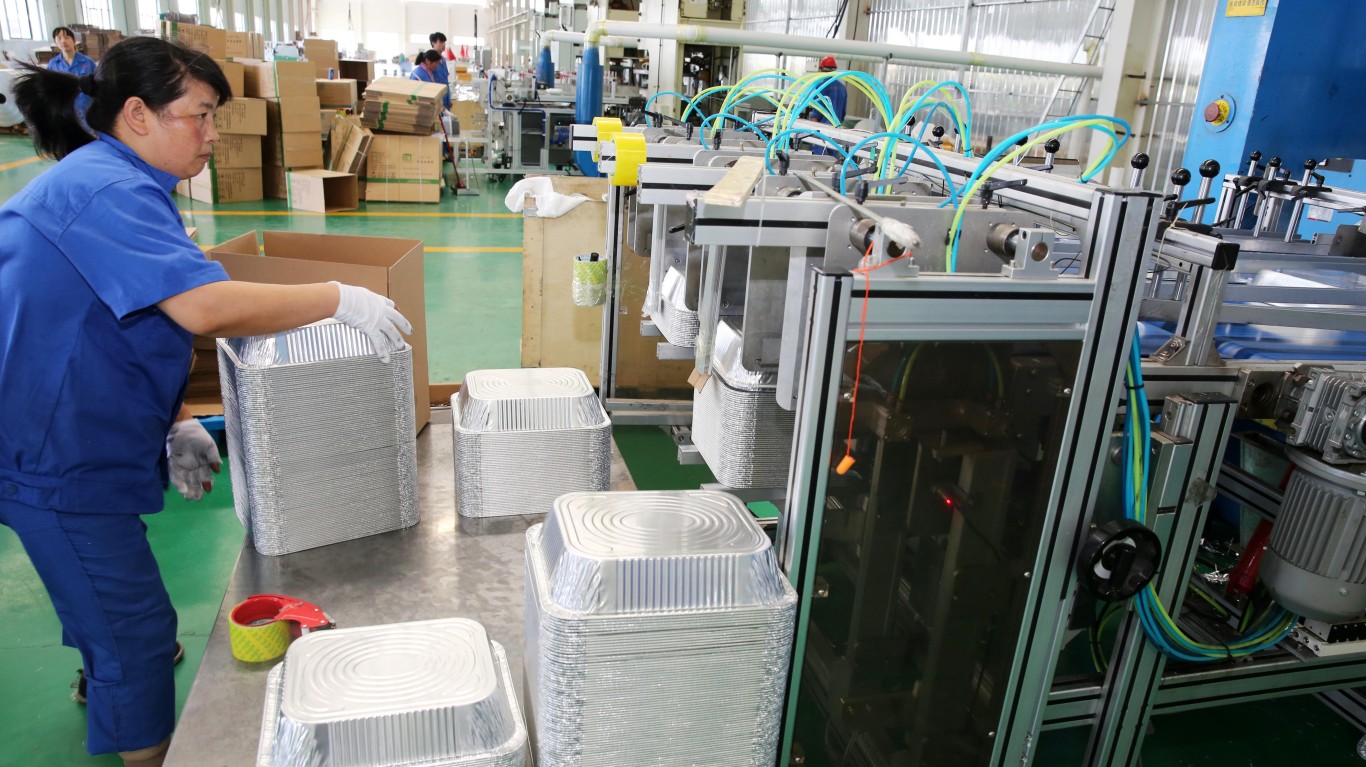
A Huabei aluminum factory.
Since China is the largest aluminum producer in the world, it stands to reason that it would have a public entity commercial arm. Aluminum Corporation of China (Chalco) is that publicly listed arm, being on the Hong Kong (SEHK: 2600) and Shanghai (SSE: 601600) stock exchanges with ADRs in the US in the OTC markets as ALMMF.
As a state-owned entity of the Chinese government, Chalco handles alumina refining, aluminum smelting, bauxite mining, copper operations, and overseas project investments. In addition to the regions listed above Chalco also has operations in Peru and in Guinea. Chalco’s 2025 output is anticipated to report approximately 8 million tons. The ADRs have done exceedingly well. 1-year returns are +229.20%, 3-year returns are 351.44%, and 5-year returns are 405.61%. Even with China’s overall aluminum challenges, it’s too big a player on the global stage to be ignored or to be in a tail wagging the dog scenario.
Alcoa
Alcoa kept mining and refining operations while fabrication of parts went to Arconic in a 2016 corporate split of operations.
Founded in 1888 by Charles Martin Hall, the inventor of bauxite smelting and the father of commercially viable aluminum, Pittsburgh based Alcoa has a long, checkered history. Before Hall, aluminum was so expensive to produce, it sold at $5 per pound, or $10,000 per ton, even more than the roughly $3,000/ton in today’s market.
Alcoa (anagram for Aluminum Company of America) has been a crucial supplier to the US government and to big industry in the manufacture of aircraft, vehicles, and a panoply of other products requiring aluminum. After numerous clashes with the EPA and various M&A and spin off activity, Alcoa spun off its specialty aluminum parts fabrication business supplying the aerospace and automotive industries as Arconic, while the Alcoa name was retained with its mining and refining business in 2016.
Alcoa’s 2025 aluminum output was projected at 2.3 to 2.5 million tons. In the surge from April 2025 to the end of December, Alcoa gained +82.87%.





 Top Gaining Stocks
 Top Losing Stocks