


 By Nicholas Kusnetz ProPublica, June 30, 2011, 12:15 p.m.
Energy companies have spent the last couple of years fighting off added government regulation, saying red tape is slowing development.
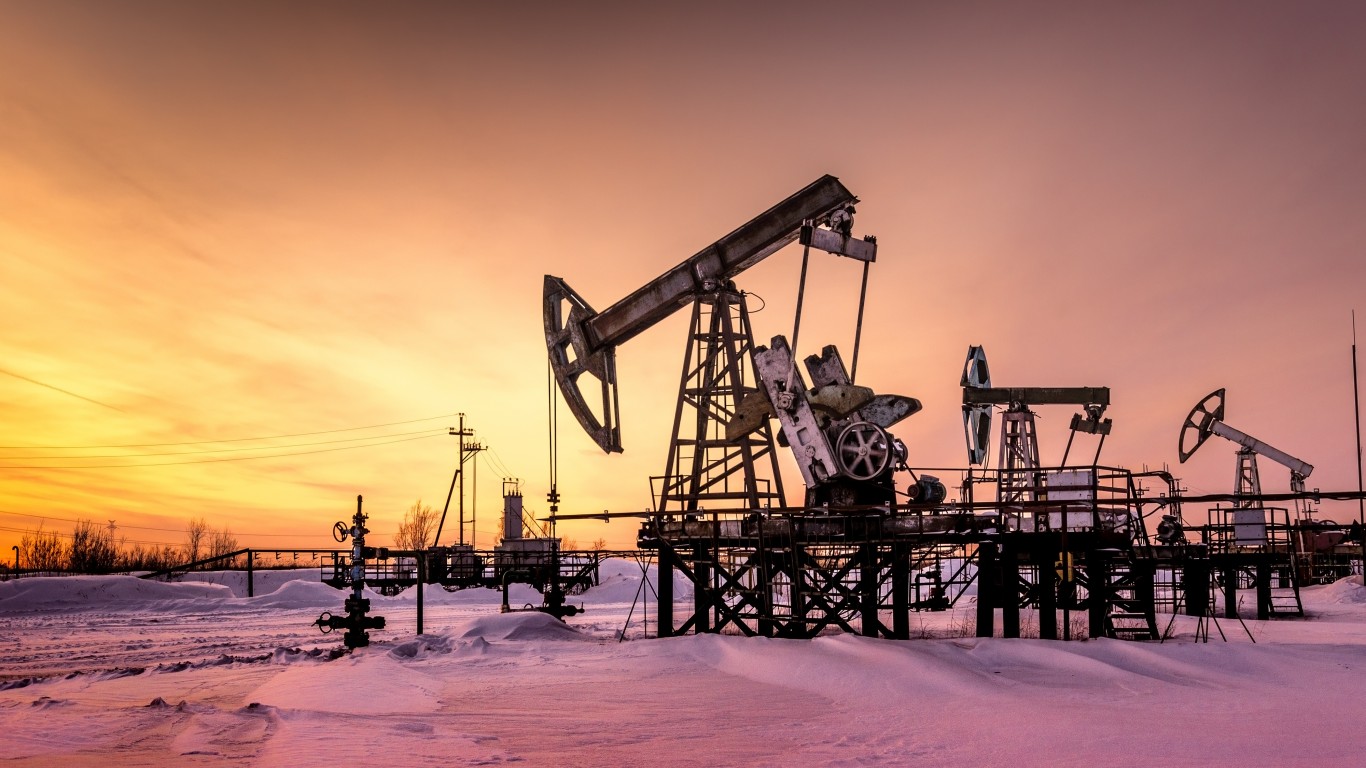
But recent data show that the pace of drilling is just short of the 20-year high it reached before the recession. Gas drilling has dropped off as the price of natural gas has stayed low, but high oil prices (and the widening price gap between oil and gas) have spurred enough oil drilling to more than make up the difference.
There were 1,882 rigs drilling wells around the country last week, up 21 percent from a year ago and up more than 50 percent from the beginning of 2010. There are now more rigs drilling for oil than at any time since 1987, according to Bloomberg News.
The numbers show that when prices are right, changes in policy or regulation are unlikely to stand in the way of new drilling, analysts and regulators say.
“I don’t think, short of moratoriums, regulations materially impact the pace of drilling,” said John Hanger, who tightened a number of drilling regulations in Pennsylvania when he led the state’s Department of Environmental Protection until January.
The Marcellus Shale Coalition, a group representing the area’s natural gas industry, warned last year that new rules covering the release of wastewater into streams would hurt growth. While acknowledging a “need for common sense regulations,” a press release from the group said, “Unfortunately, these rules will make responsible shale gas development more difficult, and the jobs and economic benefits created throughout this process less likely.”
Yet gas drilling has continued to expand in the Marcellus Shale. Pennsylvania still ranks among the fastest-growing states for drilling, according to Baker Hughes, one of the largest oil service companies in the world, which also publishes a widely used rig count.
Instead of suppressing development, the new regulations have driven innovation and led to greater recycling of wastewater, Hanger said. Earlier this month, the state announced that drillers had stopped discharging wastewater into streams.
Patrick Creighton, a spokesman for the Marcellus Shale Coalition, did not comment on the wastewater rule’s effects but noted that his group supported a number of other changes the state implemented over the past year.
Andy Radford, a senior policy adviser for the American Petroleum Institute, said that while federal policy has stifled some drilling, much of the new activity is on private, state-regulated land in Texas, North Dakota and Pennsylvania. In Wyoming, where much of the drilling is on federal land, drillers have argued that federal policy has hurt growth.
Radford said rules passed in the states have not been overly burdensome, and energy companies have supported some new state regulations, including rules requiring disclosure of chemicals used in hydraulic fracturing.
But drillers have fought some major state regulatory changes over the past few years, and even in those states growth remains strong despite industry predictions that it wouldn’t.
After Colorado rewrote some of its drilling rules in 2009 under Gov. Bill Ritter, the Colorado Oil and Gas Association said the new regulations would force drillers out of the state and filed a lawsuit to invalidate the changes.
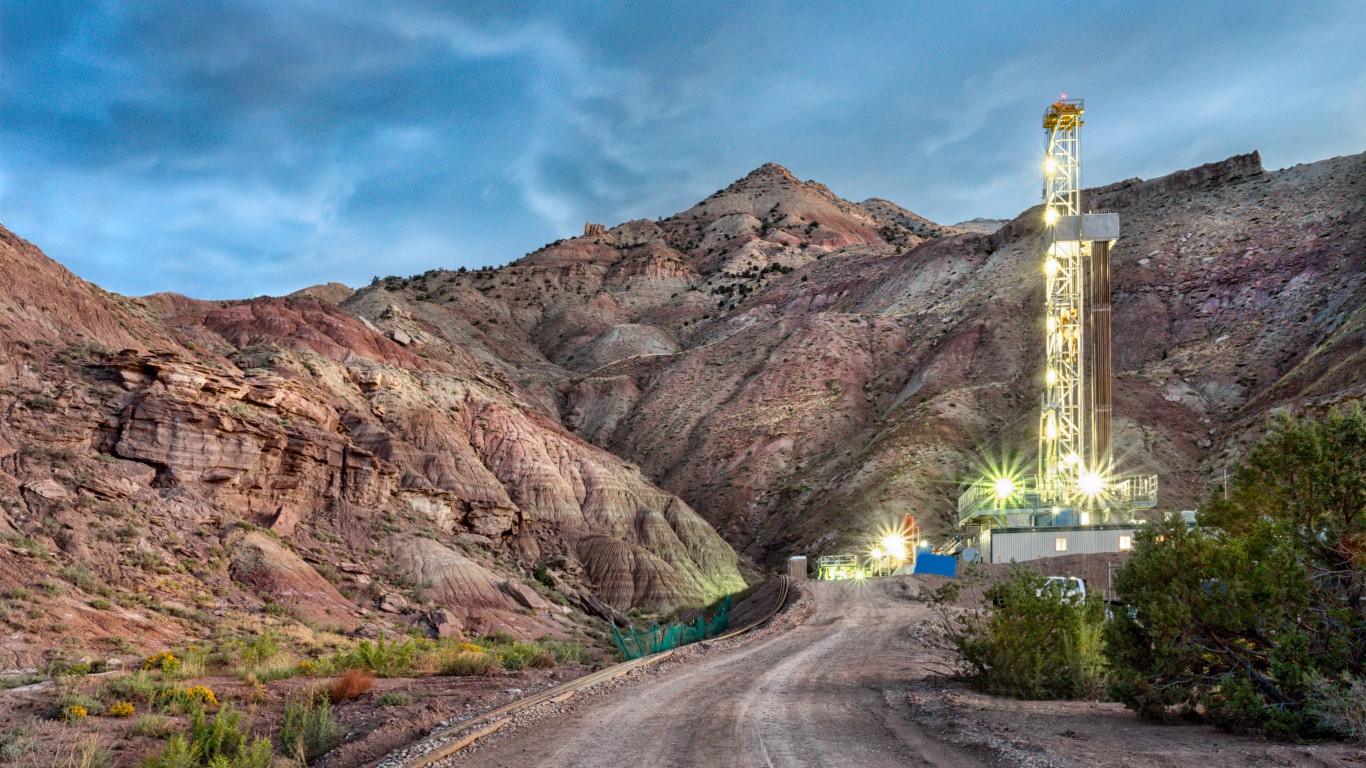
Instead, Colorado drilling has increased 31 percent in the last year, outpacing the nation in that period, the Baker Hughes rig count shows. Overall, drilling in the state has recovered to about two-thirds of what it was in June 2008, before the recession decimated drilling across the country.
“We’re very pleased to see this kind of recovery,” said Tisha Schuller, president of the Colorado Oil and Gas Association. Schuller said drilling companies and the administration of the new governor, John Hickenlooper, have worked together to help industry comply with the rules without hurting business. Her organization dropped its lawsuit earlier this year.
In New Mexico, the industry has continued to fight a 2008 rule aimed at stopping water contamination from waste pits. When then-Gov. Bill Richardson championed the rule, drillers warned that compliance would be expensive. The current governor, Susana Martinez, has continued to voice those concerns, saying the rule drives jobs out of the state. But in the months after the rule was implemented, drilling in New Mexico increased until the recession took hold. Now the rig count is slightly higher than it was three years ago, when the rule took effect.
John Bemis, New Mexico’s secretary of energy, minerals and natural resources, said the 2008 rule has slowed gas drilling in parts of the state, but that new oil drilling in other areas has more than compensated for the loss.
Bemis said some energy companies are pressing the state to revise the rule. He would not comment on what changes the companies want or whether the state will consider them. He referred these questions to the governor’s office, which has not replied to a request for comment.
Nationally, drilling has rebounded to more than 90 percent of where it was before the recession. According to Baker Hughes, much of the recent growth is happening in Texas and North Dakota, where drillers are tapping into two shale oil formations. They are using horizontal drilling in concert with hydraulic fracturing, an approach similar to the one drillers have used to access the gas in the Marcellus Shale.
A combination of technology, timing and price has made these among the hottest spots in the country, said Julia Haggerty, a policy analyst with Headwaters Economics, a nonpartisan research organization. Haggerty wrote a report released last week detailing the drilling trend.
Energy companies have developed techniques to extract more oil from deep shale formations than had previously been possible. When the price of oil tripled after the recession, using that technology became viable despite its higher costs.
Haggerty’s report said drilling has increased four-fold in North Dakota over the past two years, primarily into a formation called the Bakken Shale, and has doubled in Pennsylvania. She said there’s little evidence that policy changes have slowed growth.
“It’s hard to argue that the industry doesn’t have the flexibility it needs to respond to these market signals,” Haggerty said.








 Top Gaining Stocks
 Top Losing Stocks