


Investors used to be addicted to stock splits for more than a generation. As share prices rose and rose, companies kept splitting their stock. Some consider this a means of keeping a share price low to keep attracting new investors. Other investors consider a stock split nothing but a gimmick.
Whole Foods Market Inc. (NASDAQ: WFM) was the latest company to join in on the bandwagon. The stock rose by 10% and hit yet another all-time on the news. The reality is that the shares have risen on a solid earnings report and on its ability to maintain much higher gross margin than traditional grocery stores.
Other companies have upcoming stock splits as well. The earnings calendar and stock split calendar show that A.O. Smith (NYSE: AOS) and Colgate-Palmolive (NYSE: CL) will both go ex-split on a 2-1 basis with an ex-split date of May 16. Noble Energy, Inc. (NYSE: NBL) will go ex-split on a 2-1 basis on May 29.
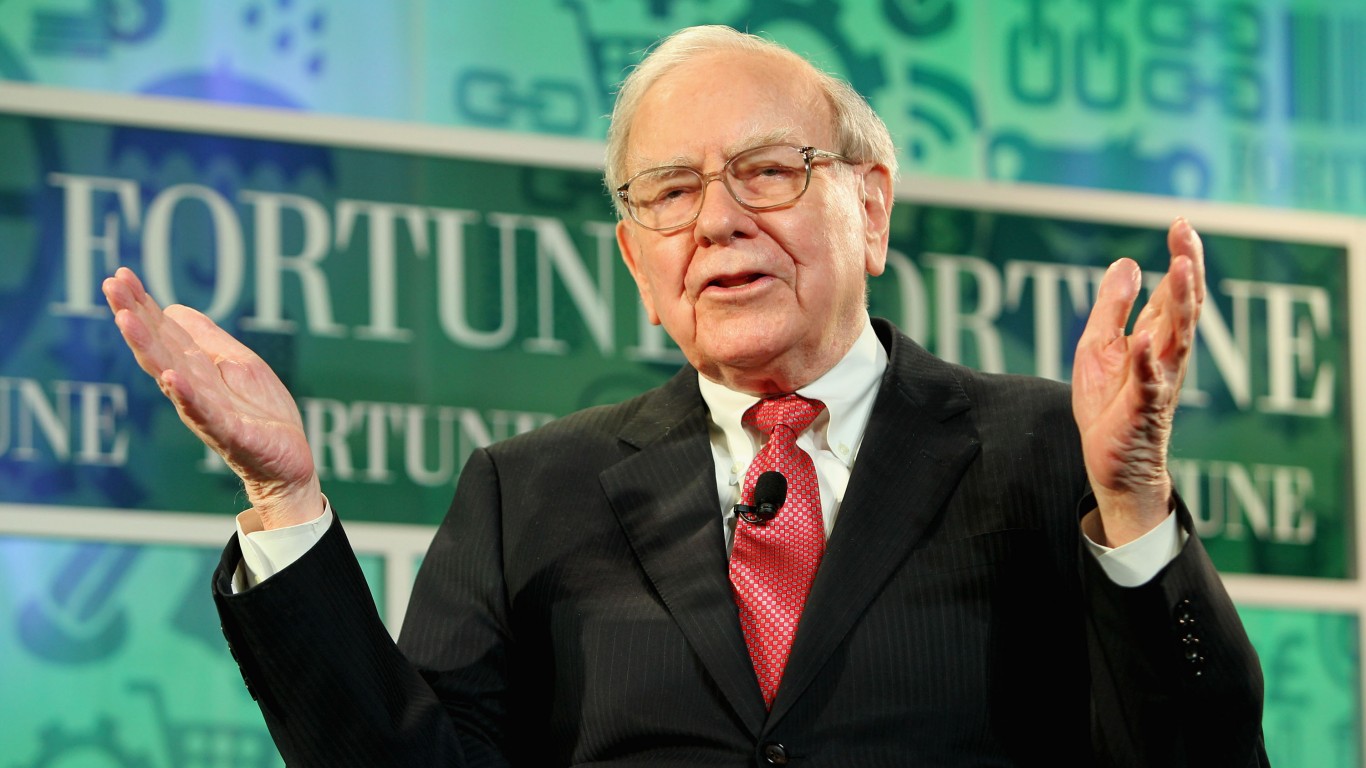
Ask Warren Buffett what he thinks about stock splits. His A-shares of Berkshire Hathaway Inc. (NYSE: BRK-A) have never split and recently put in an all-time stock price high of almost $167,000. Even his more newly created B-shares of Berkshire Hathaway Inc. (NYSE: BRK-B) trade at a high price of $110.00.
Many companies do not like to split their stocks. Apple Inc. (NASDAQ: AAPL) might greatly benefit from this as it is more expensive to buy share of common stock than it is to buy an iPhone or an iPad. Still, its shares went to above $700 and the sell-off down to under $400 was never really directly attributed to Tim Cook not splitting the stock.
What about Google Inc. (NASDAQ: GOOG). Its stock just hit a new all-time high of $873.50 on Tuesday and this company’s efforts were being aimed at a split that was actually a division of power more than a traditional stock split investors are used to.
Some investors love stock splits. Others think of them as mere gimmicks. The debate remains alive, but as share prices rise and rise there will likely be more and more stock splits coming down the pipe. We have considered this merely as a poor man’s dividend. When you see stock split after stock split being announced, you generally know you are deep into a bull market.








 Top Gaining Stocks
 Top Losing Stocks