


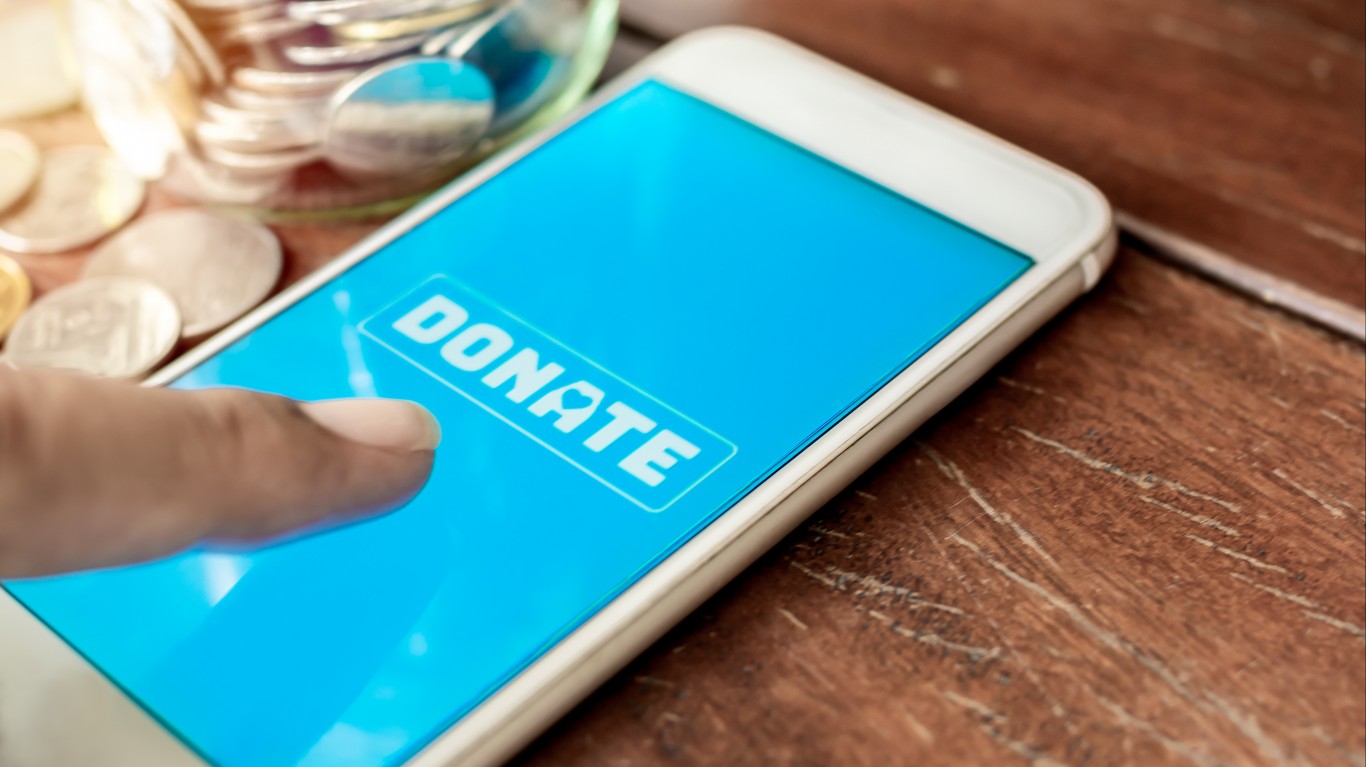
With the holiday season right around the corner, many households may be making tax-deductible donations, or thinking about doing so. This is for a number of reasons. It could be because the end-of-year holidays stress generosity, and giving. It might be because households want to check it off of their list to contribute to enough tax write-offs for that year.
It can also be an overly emotional time of year and giving could be related to this heightened sense of business and emotion. Because of these and a myriad of other reasons, donations could be made hastily without much forethought. Whatever the reason, there are several essential questions that everyone should be asking before donating any amount of money to any organization. Here are the most essential:
#1 Is This Organization Legitimate?
‘Tis the season of giving but also the season of scamming. For a lot of people, committing fraud via fake non-profits, NGOs, GoFundMe, and other crowd-sourcing platforms is part of their holiday income. Making sure something is legitimate before giving your money to it is essential. If you see the organization on social media platforms, for example, make sure to look up the organization on a browser. Does the organization have any certifications?
A great place to look is the Better Business Bureau to ensure they are a legitimate charitable organization. All charitable organizations are listed on the BBB’s Website, give.org. You should always look up the organization here first. Not only does the Better Business Bureau give out accreditations, but it also allows organizations to report their accountability. The BBB has a rating system based on 20 standards addressing transparent representation, truthfulness, governance, and accurate results reporting.
24/7 spoke with GoFundMe and they had the following to say about avoiding scams on their website:
“Being a safe and trusted place to give and receive help is our top priority. We have a team of experts working around the clock to review fundraisers and prevent misuse using both human reviews and technical tools. Anyone can report a fundraiser if they have concerns, and our experts will promptly investigate any flagged suspicious activity. We have zero tolerance for platform misuse.
GoFundMe also has the first and only donor protection guarantee in the crowdfunding industry. GoFundMe’s Giving Guarantee offers a full refund in the rare case when something isn’t right. (You can find more details about our GoFundMe Giving Guarantee on our website).”
-GoFundMe, 2024
#2 What Percentage of Donations Go Toward the Intended Recipients?
The average donor might not necessarily know how to look up the percentage of donations that actually go toward helping the intended cause. Some organizations that aren’t as reputable might only give as little as 20% of donations to the intended targets and spend the rest on the organization itself. This can be determined by looking at the organization’s finances, viewing the report provided by the Better Business Bureau, reporting from third-party organizations, going to charitywatch.org, etc. Don’t just believe what information an organization puts on its website. Always dig a little deeper.
#3 Is There Transparency?
Financial and oversight transparency is really important in organizations. Who are the board of trustees made of? Is there nepotism happening within the organization? What salary do the executive-level members make? The less transparency an organization has, the easier it is to scam. The more reputable an organization, the more likely that organization is willing to publish transparency reports. Again, give.org is a place that can help you gauge the transparency of the organization you are considering donating to.
#4 Are You Feeling Pressure to Donate on The Spot?
A common scammer tactic is to pressure a potential donor to give RIGHT NOW. It will use emotional manipulation to get you to skip past the research stage and just give your hard-earned cash. Any reputable organization might solicit donations via cold-calling or cold-texting, but won’t ever pressure you to donate that very second. If it does, there is a high chance it isn’t reputable.
#5 Is Everything Spelled Correctly?
Scammers often copy the usernames, organization names, web addresses, etc. with just slightly different spelling. For example, instead of a673b.bigscoots-temp.com (this website), they could use www.247walllst.com. To the unsuspecting eye, these web addresses might look identical, but I slipped in an additional L.
If you were to click on a fake webpage that is a copy of the original, you are in danger of being scammed. If you aren’t sure whether a website is legitimate or not, you can always look up the organization on the BBB or Charity Watch and get the weblink from their profile of the organization. If you are looking at social media, you can see if an organization is verified (unless on platforms like Twitter (or X), where anyone can purchase a verification check mark). Places like TikTok, LinkedIn, Instagram, Facebook, and Lemon8 usually have verified profiles who are who they say they are.
The moral of the story is to just breathe through your emotions for a few minutes, put in a few minutes of research, and then donate if everything looks like it’s in order. It isn’t your fault if you accidentally get scammed. You are a kind, caring, human who wants the best for humanity. Scammers exploit that, and it can happen to anyone.











 Top Gaining Stocks
 Top Losing Stocks