


If you finally took your huge profits on the FANG stocks or big semiconductor winners and have the conundrum of what to do with the proceeds, one thing is for sure, the Treasury market is not an option, as rates will push higher this year and in 2019. With huge daily market swings and the looming threat of more volatility, it may make sense to park the money in safe, blue-chip dividend stocks.
We screened the Merrill Lynch research universe looking for companies that were rated Buy, paid a dividend that was higher than the 30-year Treasury yield of 3.13% and also had the firm’s best volatility risk. We found four that fit the bill perfectly.
American Electric Power
This industry leader is a solid dividend payer and remains a top utility pick in the Merrill Lynch US 1 list. American Electric Power Co. Inc. (NYSE: AEP) is one of the largest electric utilities in the United States, delivering electricity to more than 5.3 million customers in 11 states.
The company ranks among the nation’s largest generators of electricity, owning nearly 38,000 megawatts of generating capacity in the United States. It also owns the nation’s largest electricity transmission system, a more than 40,000-mile network that includes more 765-kilovolt extra-high voltage transmission lines than all other U.S. transmission systems combined.
American Electric Power shareholders are paid a solid 3.83% dividend. The Merrill Lynch price objective for the shares is $75, and the Wall Street consensus target price is $74. Shares closed on Monday at $64.80 apiece.
Coca-Cola
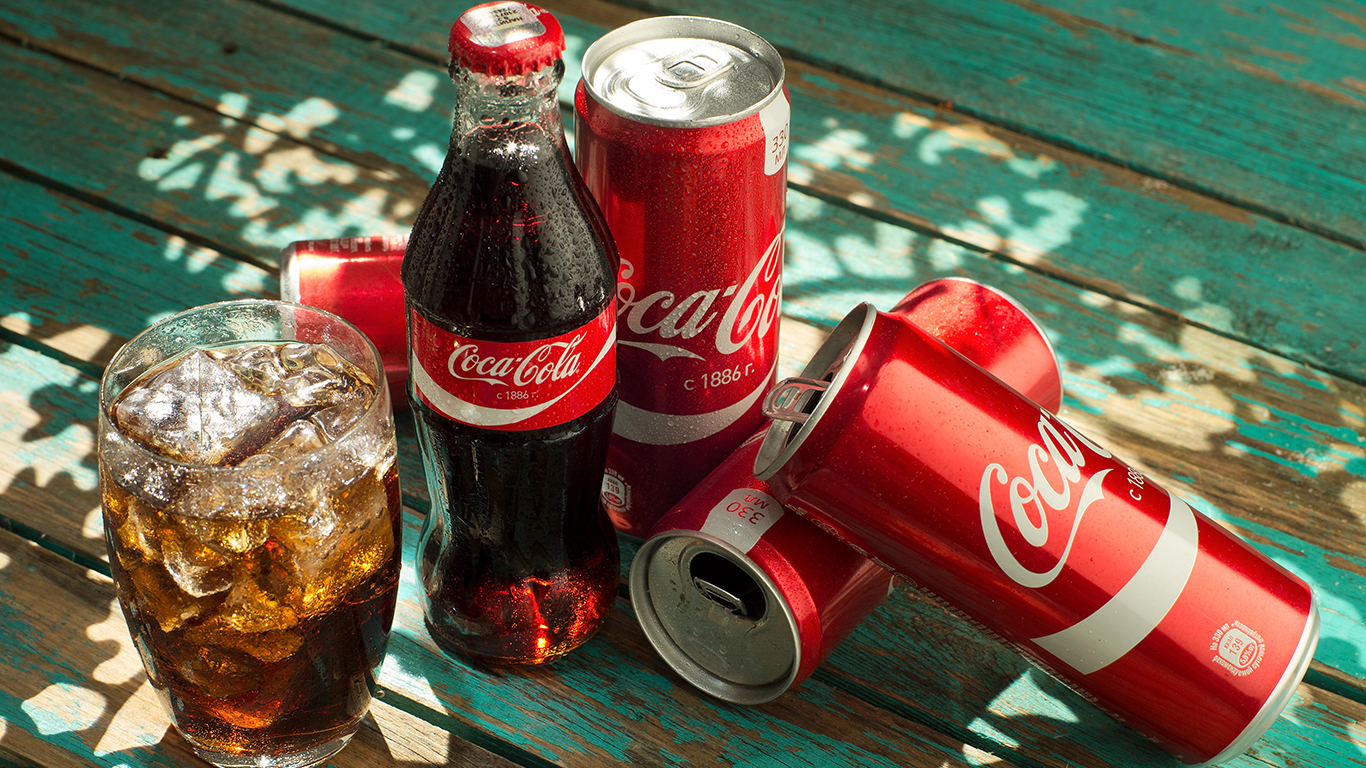
This top Warren Buffet holding not only offers safety but an incredibly strong worldwide brand with 40% overseas sales. Coca-Cola Co. (NYSE: KO) is the world’s largest beverage company, refreshing consumers with more than 500 sparkling and still brands.
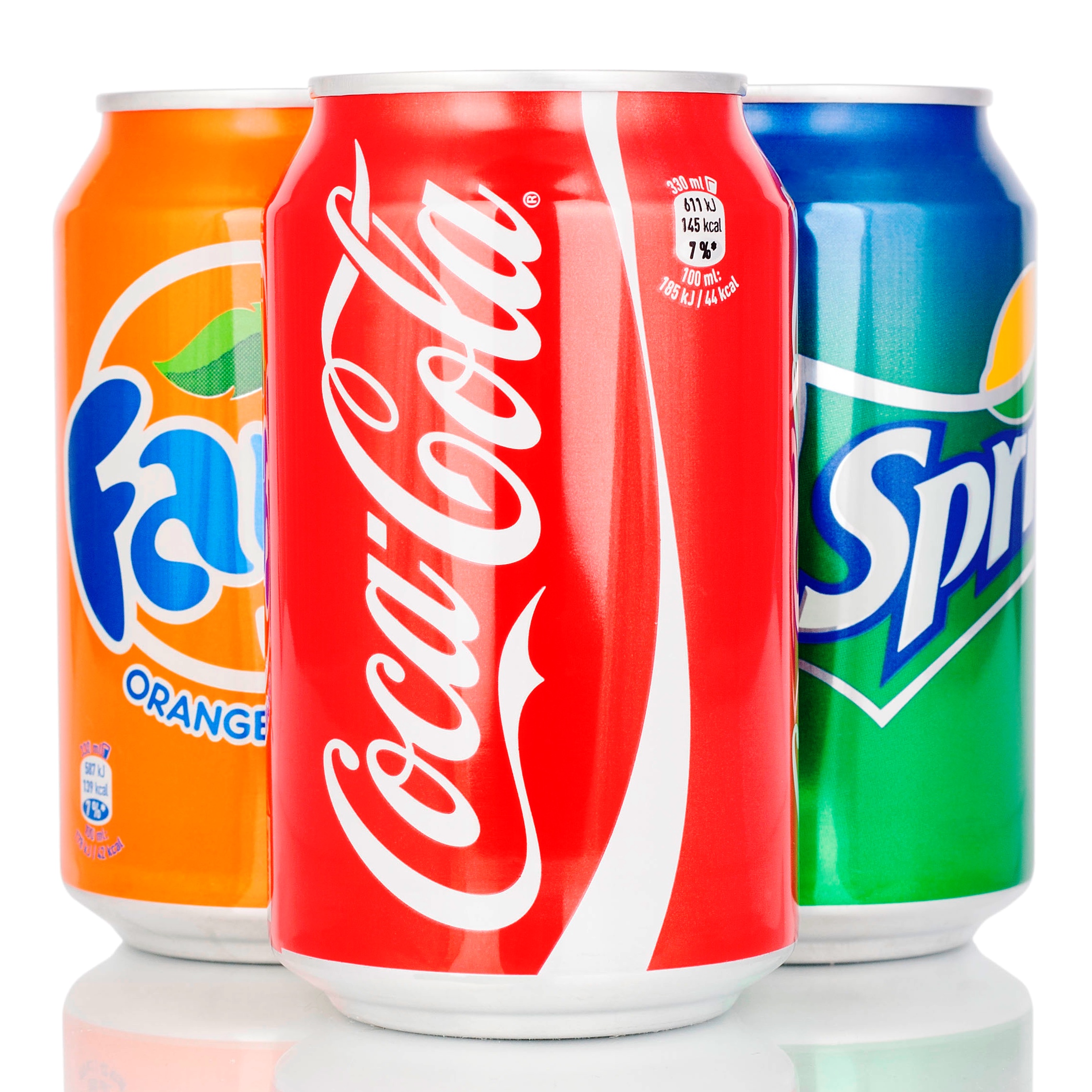
Led by Coca-Cola, one of the world’s most valuable and recognizable brands, the company’s portfolio features 20 billion-dollar brands including Diet Coke, Fanta, Sprite, Coca-Cola Zero, vitaminwater, Powerade, Minute Maid, Simply, Georgia and Del Valle. Globally, it is the number one provider of sparkling beverages, ready-to-drink coffees and juices and juice drinks.
Through the world’s largest beverage distribution system, consumers in more than 200 countries enjoy Coca-Cola beverages at a rate of more than 1.9 billion servings a day. With coolers getting packed for picnics, parades and vacations you can bet that they will be stuffed with products from this iconic American company. Also remember that the company also owns 16.7% of Monster Beverage, which continues to deliver big numbers.
Coca-Cola investors receive a 3.37% dividend. Merrill Lynch has a $52 price target, while the consensus target is $49.87. The stock closed Friday at $43.97.
Exxon Mobil
This company remains a top Wall Street energy pick and is still down about 10% in 2018. Exxon Mobil Corp. (NYSE: XOM) is the world’s largest international integrated oil and gas company. It explores for and produces crude oil and natural gas in the United States, Canada, South America, Europe, Africa and elsewhere.
The company also manufactures and markets commodity petrochemicals, including olefins, aromatics, polyethylene and polypropylene plastics, and specialty products, and it transports and sells crude oil, natural gas and petroleum products.
For 75 years in a row, Exxon has raised its dividend on a split-adjusted basis. Thanks to the company’s vertically integrated model in the oil and gas business, its profitability doesn’t suffer through commodity price swings like a company that’s a pure play in one segment of the value chain.
Shareholders receive a 4.03% dividend. The $102 Merrill Lynch price objective is well above the consensus estimate of $88.95. The stock closed Monday at $76.42.
[recirclink id=442772]
Procter & Gamble
This stock also offers a very solid dividend and safety. Procter & Gamble Co. (NYSE: PG) is another solid consumer staples stock for conservative investors to consider. It sells lots of very well-known household items that are essential for everyday life. Brands include Pampers, Tide, Bounty, Charmin, Gillette, Oral B, Crest, Olay, Pantene, Head & Shoulders, Ariel, Gain, Always, Tampax, Downy and Dawn.
The company posted in-line earnings last quarter, and many on Wall Street feel that the new focus on a slimmed down product portfolio will help spur earnings growth and return the company to its long-time premium consumer staples multiple. Some analysts’ estimates for the next two years are 2% above current Wall Street expectations.
P&G actually is innovative in its product development process and uses that to help ensure future growth and cash flow. This should provide investors years of steady growth and dividends. While currency headwinds have weighed on earnings and projections, a weaker dollar scenario would bode well for the future.
Shareholders are paid a 3.4% dividend. The Merrill Lynch price objective is $100. The consensus target is $93.92, and shares closed Friday at $81.33.
[wallst_email_signup]
Exciting? No, but neither are huge triple-digit moves in the stock market. These stocks are not immune to selling, but they are far better suited to handle it and then rebound when things get better. Plus, they pay dividends higher than the 30-year Treasury bond, so you will get paid to wait should the volatility remain.





 Top Gaining Stocks
 Top Losing Stocks