


For the most part, the jobs situation in America is unusually strong. The economy added 263,000 nonfarm jobs in April, which took the unemployment rate to 3.6%, the lowest level since December 1969. This is part of a string of strong monthly job announcements that go back most months to the end of the Great Recession. One industry is a clear exception. This industry, after years of growth, has started to go through an aggressive downsizing in 2019. Job cuts in this sector are up 207% this year.
Car industry jobs announced through April by companies in the industry hit 19,802, up from 6,451, according to Challenger, Gray & Christmas.
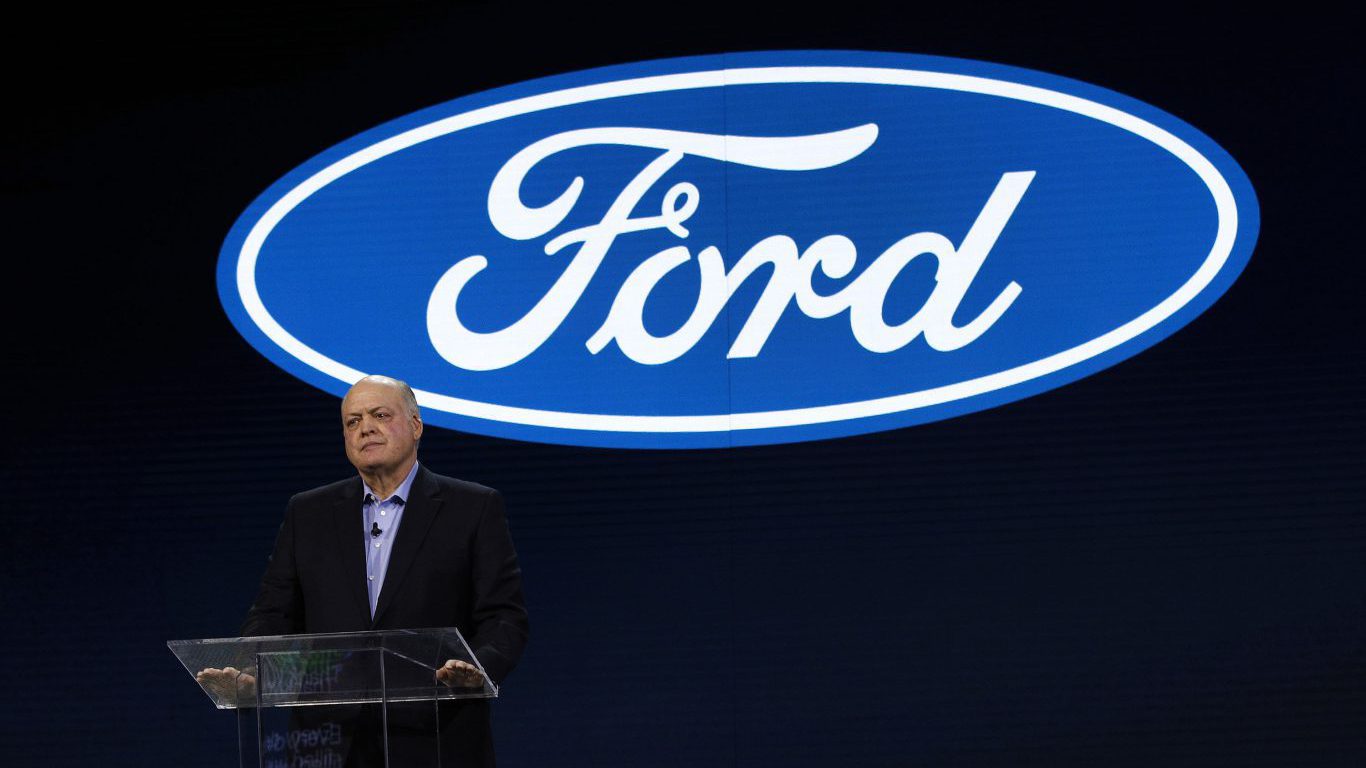
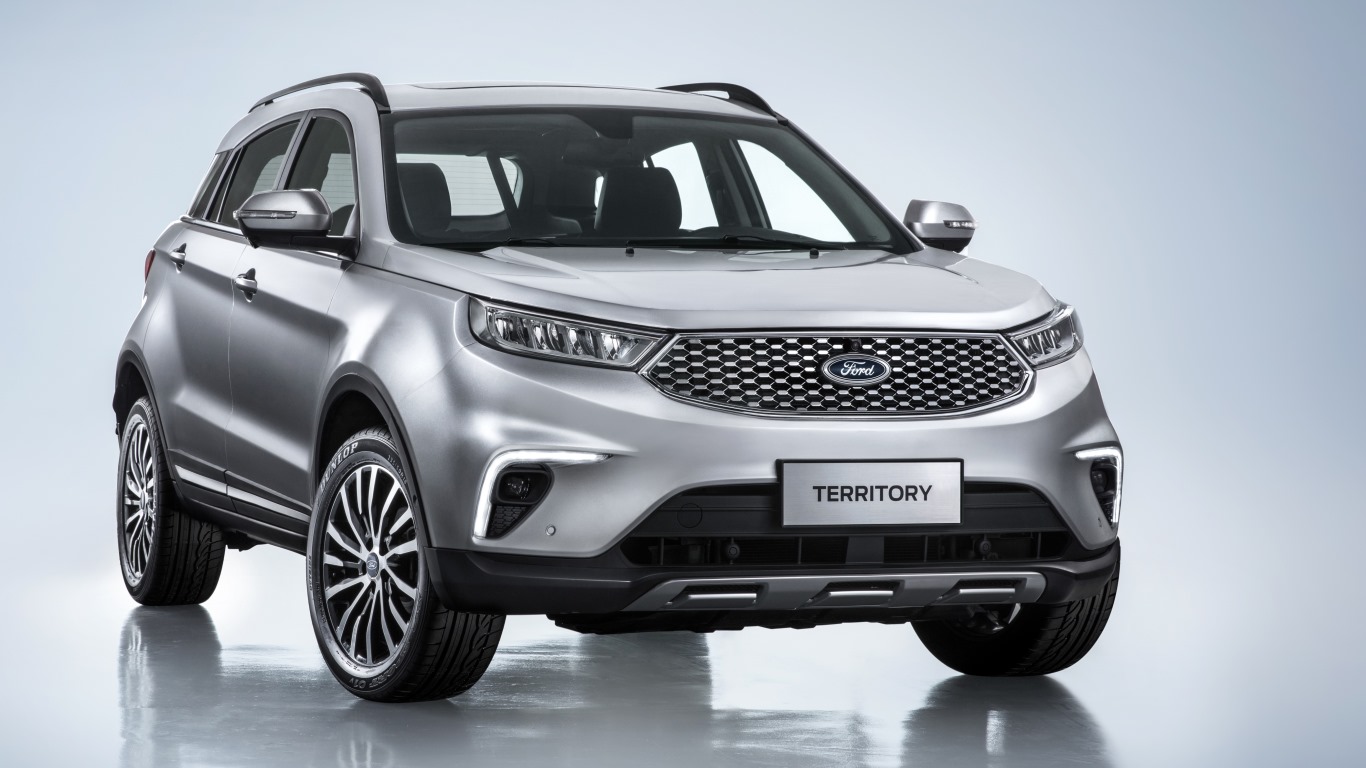
These figures do not include Ford’s decision to fire 7,000 salaried employees, of which 2,300 are in the United States. In reaction to the news, Challenger, Gray’s Andrew Challenger commented, “As consumers in the U.S. demand vehicles with lower emissions, more energy efficiency, and autonomous driving options, tech companies like Tesla and Google’s parent company, Alphabet, have entered the fray.” GM announced last November that it would cut 14,000 workers, he pointed out.
Self-driving cars and electronic vehicles are only a part of the auto industry’s problem. So far in 2019, it appears total U.S. car and light truck sales are falling after five years in which sales were above 17 million. Sales in China, the largest car market in the world, and one that is critical to the future of virtually every global manufacturer, have lost steam. This has caused pessimism about the number of cars Ford and GM can sell worldwide.
[nativounit]
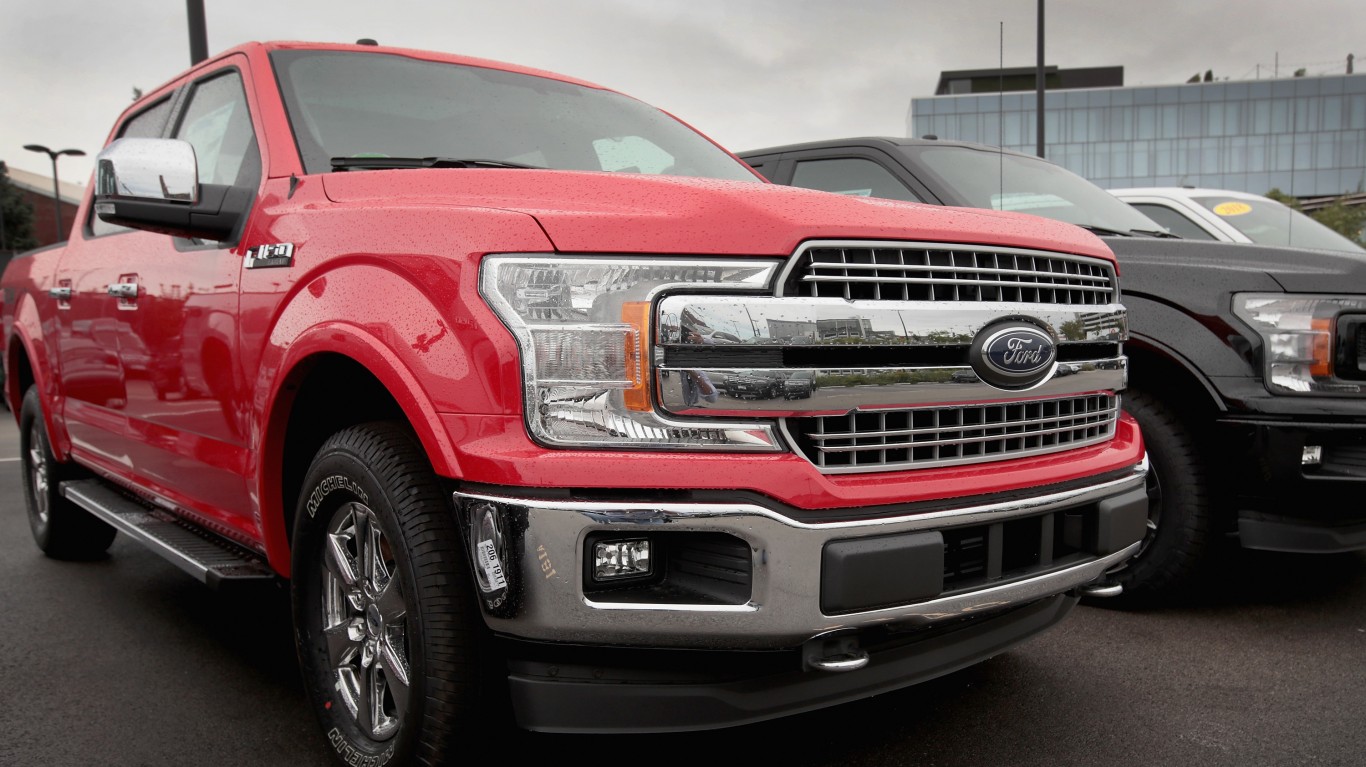
Another headwind for car companies is that more and more people, particularly in the United States, have moved away from buying cars and toward buying pickups, sport utility vehicles and crossovers. Ford made the decision last year to discontinue sales of most of its cars, even though none was on the list of 25 cars Americans don’t want to buy.
Car buyers are being squeezed by rising new vehicle prices and higher interest rates on car loans. Automakers, feeling the pinch from lower sales, have been raising prices. Yet the industry’s strategy appears to be petering out. In April, the seasonally adjusted annual rate (SAAR) of new car sales fell to 16.41 million, just over a million fewer than the prior month’s SAAR.
The impact of U.S. tariffs on imported vehicles remains a serious threat to sales while having little impact on creating new auto industry jobs in the United States. Last week, U.S. Trade Representative Robert Lighthizer agreed to delay imposing a 25% tariff on vehicles imported from Europe and Japan for up to six months as negotiations continue.
U.S. auto imports from China are negligible, although vehicle exports to China have been hit by reduced demand from Chinese consumers. If China retaliates against U.S. tariffs on other goods, the country is virtually certain to impose a 25% tariff on vehicles imported from the United States. Some American companies have much to lose from the China trade war.
[recirclink id= 547690]

[wallst_email_signup]








 Top Gaining Stocks
 Top Losing Stocks