


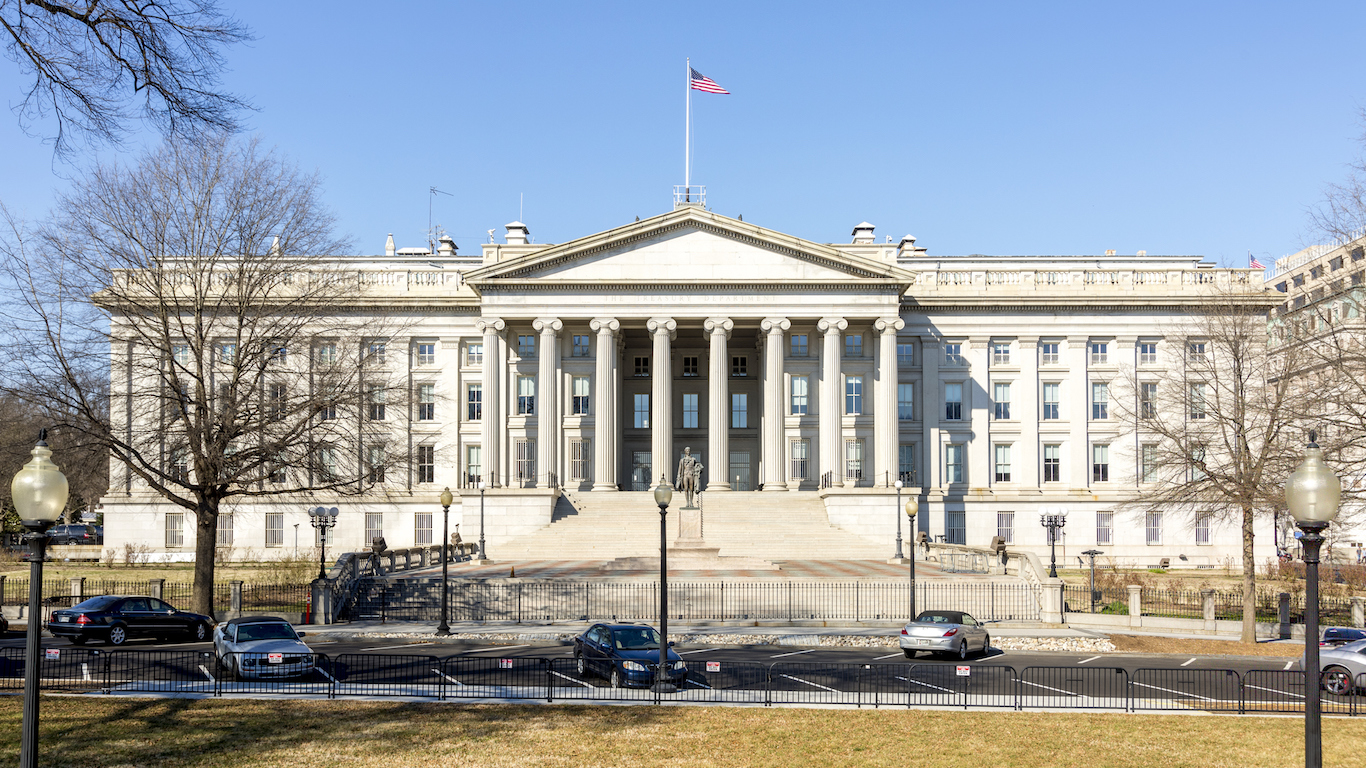
Earlier this month, the U.S. Department of the Treasury published its plan to reform the relationship between the department and Fannie Mae and Freddie Mac, the two government-sponsored entities (GSEs) that Treasury has overseen since the financial crisis of a decade ago. On Friday, in separate letters to Federal Housing Finance Agency Director Mark Calabria, Treasury Secretary Mnuchin outlined an agreement that allows the two GSEs to begin retaining their earnings instead of sending essentially all their profits to the Treasury.
The agreement is just the first step in dissolving the quasi-government status of Fannie and Freddie by allowing them to keep enough of their profits to add $22 billion and $17 billion, respectively, to their current reserves of $3 billion each. Over time, Fannie’s reserve will grow to $25 billion and Freddie’s to $20 billion.
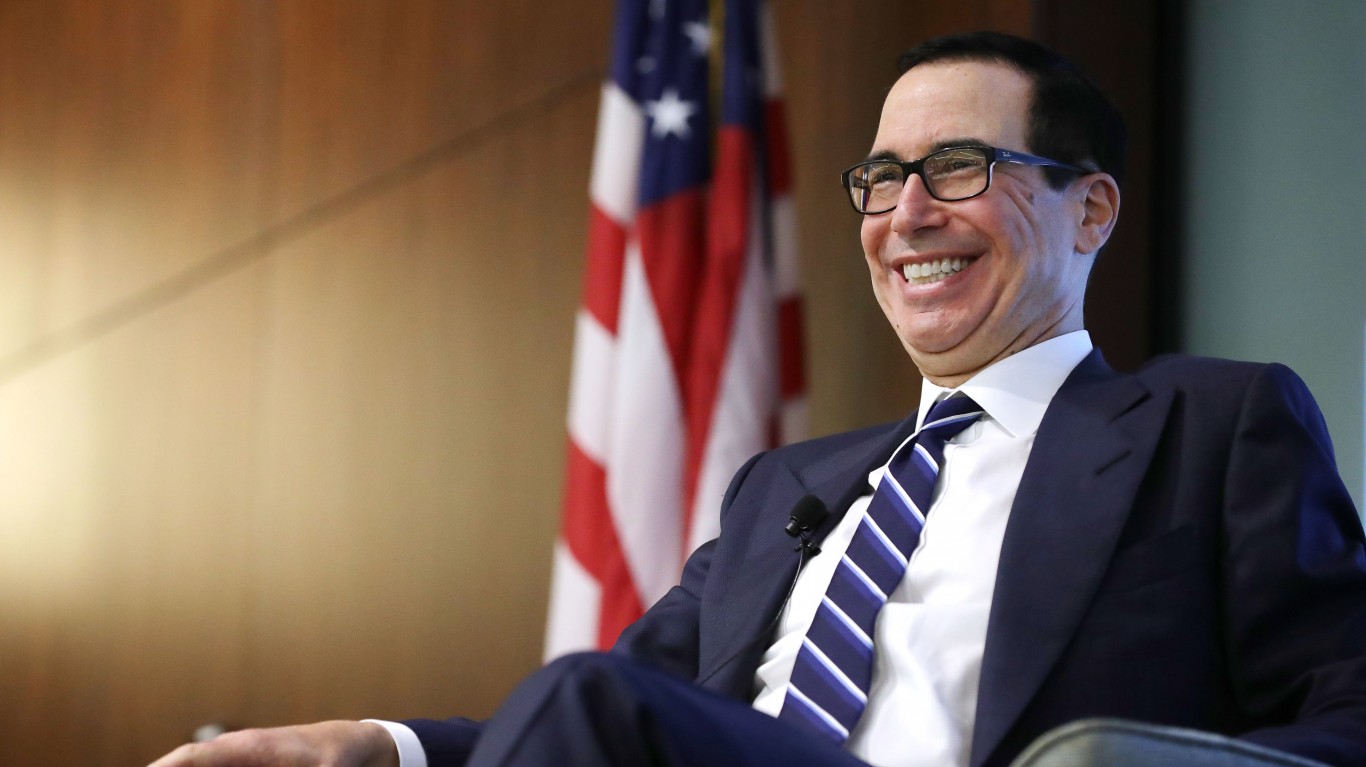
In a statement dated Monday morning, Secretary Mnuchin said:
These modifications are an important step toward implementing Treasury’s recommended reforms that will define a limited role for the Federal Government in the housing finance system and protect taxpayers against future bailouts.
Both Fannie and Freddie were placed in federal conservatorship and the two received a combined total of $191 billion in bailout funding in 2008. The Treasury Department owns preferred stock in the GSEs and since the bailout has received more than $300 billion in dividend payments from them, well above the amount injected to keep them from collapsing.
[nativounit]
Building up a total capital buffer of $45 billion won’t, by itself, sever the ties between the GSEs and the federal government. Congress needs to do that, and the partisan divide over whether that’s even a good idea is likely to persist for some time. A significant recapitalization also will be needed, as will buy-in from other preferred shareholders, on any plan to privatize Fannie and Freddie.
[recirclink id=581133]
[wallst_email_signup]











 Top Gaining Stocks
 Top Losing Stocks