



By David Callaway, Callaway Climate Insights
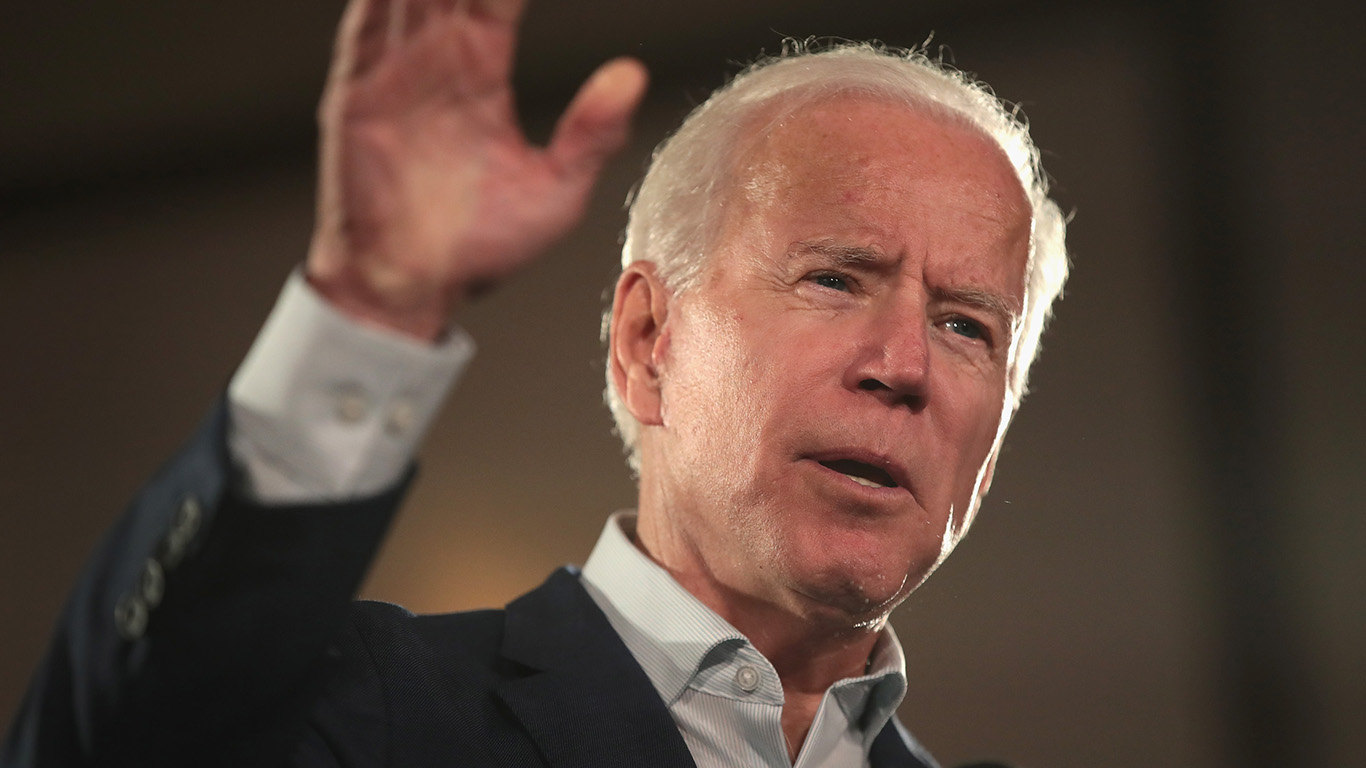
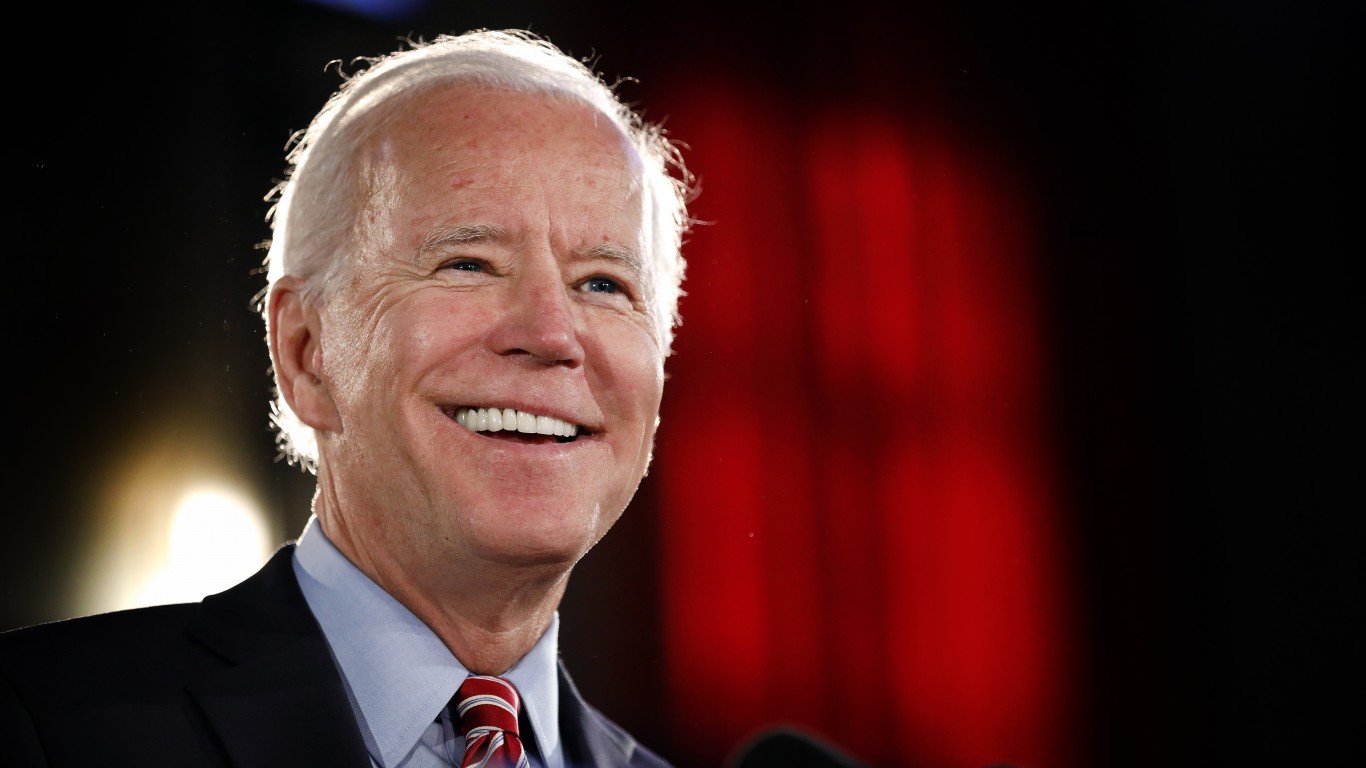
As the Atlantic hurricane season transitions into a Greek tragedy (Eta, Theta, Iota?), and the Biden transition team begins to take shape in Washington, the most vital work of the climate finance transition moved forward this week in Europe.
The 62-year-old European Investment Bank will be turned into a climate bank by its EU member-state owners, with a 1 trillion euro ($1.18 trillion) remit to support green investments and wean the continent off fossil fuels by 2030. Promising to align all its activities with the goals of the Paris Agreement, the climate action is the most aggressive yet of a public finance institution. All investments in fossil fuels, including airport expansion financing, will be stopped in two years.
It’s the latest and most far-reaching step in a series of commitments from Europe and central banks in general, including the U.S. Federal Reserve. Writing for this week for the Official Monetary and Financial Institutions Forum, the London-based think tank founded by the inimitable David Marsh, three officials from the International Monetary Fund argue that financial markets are not adequately pricing climate risk and that a leading set of global disclosure standards is needed.
“Although several disclosure frameworks have been developed, this is a fragmented space that is in urgent need of harmonization,” the IMF group wrote.
A lot has been written in the past few days about what a Biden Administration can do to move the needle on climate solutions. Aggressive transitions by global financial institutions like this make it a lot easier for banks and asset managers — and even legislators — to get behind the efforts.
More insights below. . . .
ZEUS: Biden’s climate plan will fall short without this crucial element
. . . . The Biden era began with a bang this week, with early moves on climate change signaling a new world of global cooperation and rising renewable energy and infrastructure stocks. David Callaway argues this honeymoon, even as President Trump hunkers down in the White House, will be short-lived if the Democrats can’t reach across the aisle for common ground on climate.
“I think we’ll get a $1 trillion infrastructure bill out,” said Jeff Gitterman, co-founder of Gitterman Wealth Management, a fund manager with more than $530 million in assets under management, which specializes in environmental, social and governance (ESG) investments. “It will appeal to (Democratic) progressives and will be hard to fight in the Senate.”
Gitterman says enthusiasm for an infrastructure deal is part of what’s driving climate stocks higher in the week since the election, pointing out the shares of Hannon Armstrong Sustainable Infrastructure Capital (HASI), which bills itself as the first U.S. public company committed to climate change solutions. HASI shares were trading above $50 Wednesday, up more than 17% since Election Day and tripling from their low in March when the pandemic hit.
The next four years are among the most important in environmental history. If Biden can pull together a bipartisan climate plan, he may make history in a far bigger way than just being the guy who sent Trump packing. . . .
. . . . ESG stocks mirrored the general market’s strong run last week as the election results trickled in, with the S&P 500 ESG Index up 7.32% vs. the traditional S&P 500 Index’s 7.30%, according to S&P Global Market Intelligence. . . .
. . . . The performance came as the University of Oxford in the UK and BlackRock (BLK) announced plans for a sustainable investment tracker fund, according to the Financial Times. The fund, which could be interesting to universities pushed by their students to do something sustainable with their endowments, is also open to small investors. And here’s the kicker: When back-tested, it showed annualized net returns of more than 14% since 2012, compared to just under 13% for the MSCI World Index. . . .
. . . . White or dark meat? An Israeli startup claims to have opened the world’s first lab-grown meat restaurant, a place in Tel Aviv called The Chicken (above). Startup SuperMeat, funded by Swiss venture capital firm Blue Horizon, said the restaurant is next door to the meat production plant, and that early reviews are that the protein grown from animal cells is coming together as a chicken burger patty. Of course, part of the success may be that currently the restaurant isn’t charging anything. It’s just looking for feedback. . . .
. . . . Nuclear fallout: The German government’s plan to decommission the rest of its nuclear power plants, which started after Japan’s Fukushima disaster a decade ago, got a bit more costly this week after the country’s Constitutional Court ruled the plan did not adequately provision for the property rights, in this case of a Swedish company, Vattenfall. Parts of Europe are on the fence about nuclear power but Germany has moved against it, even though taxpayers will now have to foot more of the bill. . . .











 Top Gaining Stocks
 Top Losing Stocks