


In today’s issue:
— The road to China technology deals is littered with the carcasses of U.S. investors. Will Ford’s EV battery project be different?
— The latest behind Europe’s new Green Industrial Plan, and whether it can stop renewable business from fleeing to the U.S.
__ Decarbonization technologies may be hot, but for the big manufacturing dollars, it’s all about the battery
— The U.S. just nominated its first ambassador for Arctic affairs. Not a moment too soon
— You know EVs have gone mainstream when we start releasing studies about what they mean for dogs.
— Plus, the climate impact of your Valentine’s chocolate
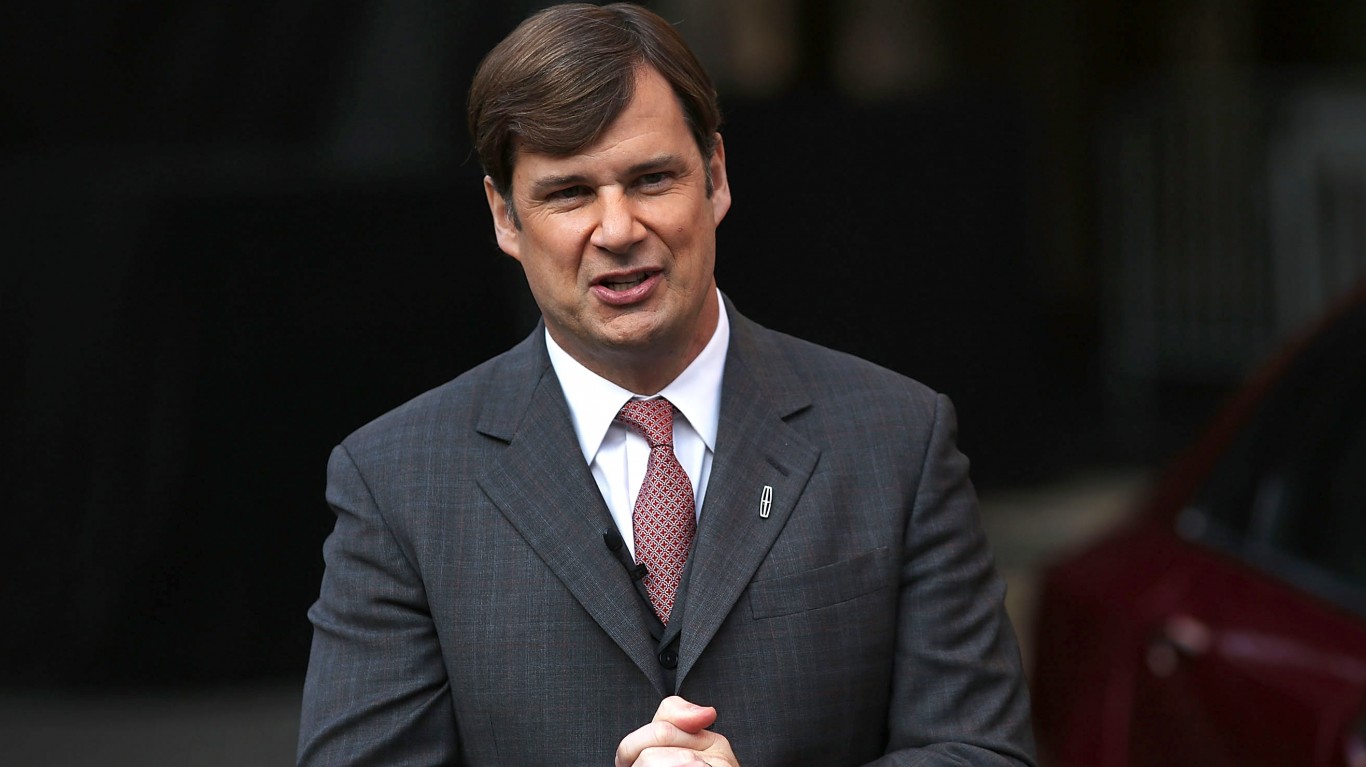
Oh, to have been a fly on the wall in Ford Motor’s $F executive suite two weeks ago as the Chinese balloon floated across the Midwest, knowing that they were about to announce a massive new electric vehicle battery deal with a Chinese company. Credit to the auto giant’s leaders for going through with it on Monday anyway.
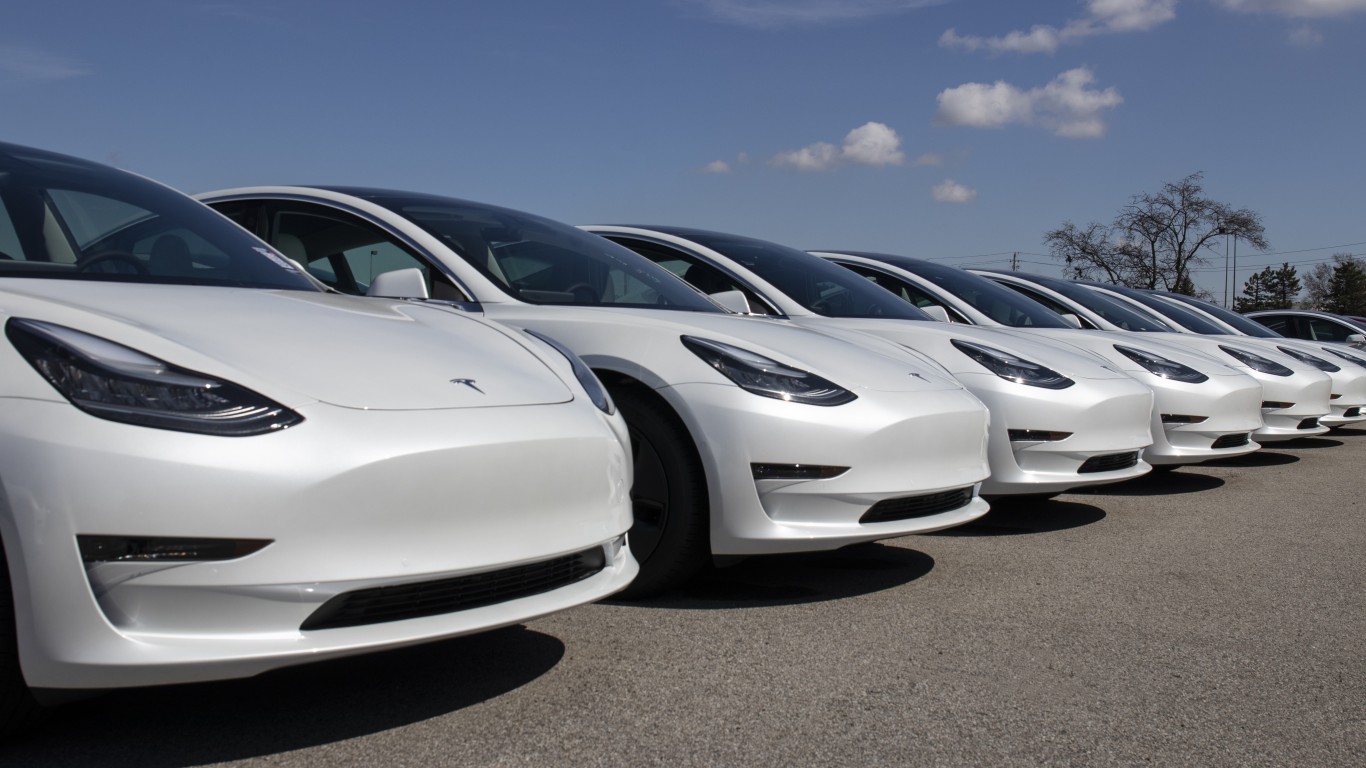
Ford’s deal to build a $3.5 billion lithium-ion battery plant in Michigan with a Chinese partner that will employ 2,500 people and power its next-generation EVs with the type of batteries used by Tesla $TSLA is a bold but risky bet. A bet that it can withstand the glare of anti-Chinese politics in this country long enough over the next three or four years to license and then develop the LFP battery technology from Contemporary Amperex Technology Co., or CATL. But the payoff could be huge, which is one reason Ford’s shares rose 2.5% on Monday.
Management took extra care to structure the deal in a way that avoids the worst political reaction. Ford will own the plant and license the technology from CATL, rather than do a joint venture, which is a more common arrangement. Still, at least one state, Virginia, pulled out of the bidding for the plant because of the presence of the Chinese partner, leaving Michigan the winner. Virginia Gov. Glenn Youngkin, a possible Republican candidate for president next year, said he would not pay taxpayer money to “recruit Ford as a front for China.”
The strategy behind the deal, for Ford to eventually learn enough about the battery technology to do it alone in a handful of years, fits perfectly into its long-term bet to become the largest EV company as the world shifts to electric transportation. But the road through China is paved with the carcasses of U.S. companies who invested millions and left empty-handed.
No doubt a careful and expensive consideration of the risks of such a deal, if the U.S. -China relationship gets much worse, was ordered, and the lawyers jumped through hoops to make the structure work. In the end, Ford CEO Jim Farley decided that the opportunity in electric vehicles and batteries was just too good to pass up. Something for investors to think about.
More insights below . . . .
Subscribe to Callaway Climate Insights to keep reading this post and get 7 days of free access to the full post archives.








 Top Gaining Stocks
 Top Losing Stocks