



As expected, the Federal Reserve held the interest rates steady at a 22-year high of 5.25-5.50%, while indicating one more hike before this year’s end as “inflation remains elevated.” This marked the second time the central bank kept the rates unchanged since it began raising it effective March 2022.
The Fed officials, through the latest dot-plot, indicated the rates will remain high for a longer period. This dot-plot projected a 5.6% Fed funds rate through 2023. For the next year, rates will come down, but not as previously expected. The rates are projected to be down to 5.1%, higher than 4.6% estimated in June.
This shows that the officials are not likely to cut rates as fast as earlier expected. Though the central bank is still anticipating a “soft landing,” it will act more aggressively to slash interest rates if the economy tumbles into a recession.
Hence, the markets plunged. All three major indexes – S&P 500, Dow Jones and Nasdaq – ended in red yesterday. Likewise, the KBW Regional Banking Index and the S&P Banks Select Industry Index were down, indicating more pain ahead for banks.
Also, per the latest Summary of Economic Projections, stronger economic growth is expected for 2023. The U.S. economy is now anticipated to grow 2.1% this year, up substantially from June’s 1% projection. Also, the labor market will likely continue to be more resilient than previously expected. The officials estimate the unemployment rate to be 3.8% this year, below the earlier 4.1% forecast.
Pain in Store for Banks in 2024
The Fed statement said, “The U.S. banking system is sound and resilient. Tighter credit conditions for households and businesses are likely to weigh on economic activity, hiring, and inflation.” Hence, banks are likely to continue facing a tough operating backdrop into the next year.
Since the eruption of the banking crisis in March that led to the collapse of three large banks – Silicon Valley Bank, Signature Bank and First Republic Bank, industry players (big and small) are facing unprecedented challenges.
The industry faces ambiguity related to new capital regulations and the path of interest rates. Concerns related to rising deposit costs, weakening credit quality (largely in commercial real estate) and rating downgrades continue to keep investors at bay.
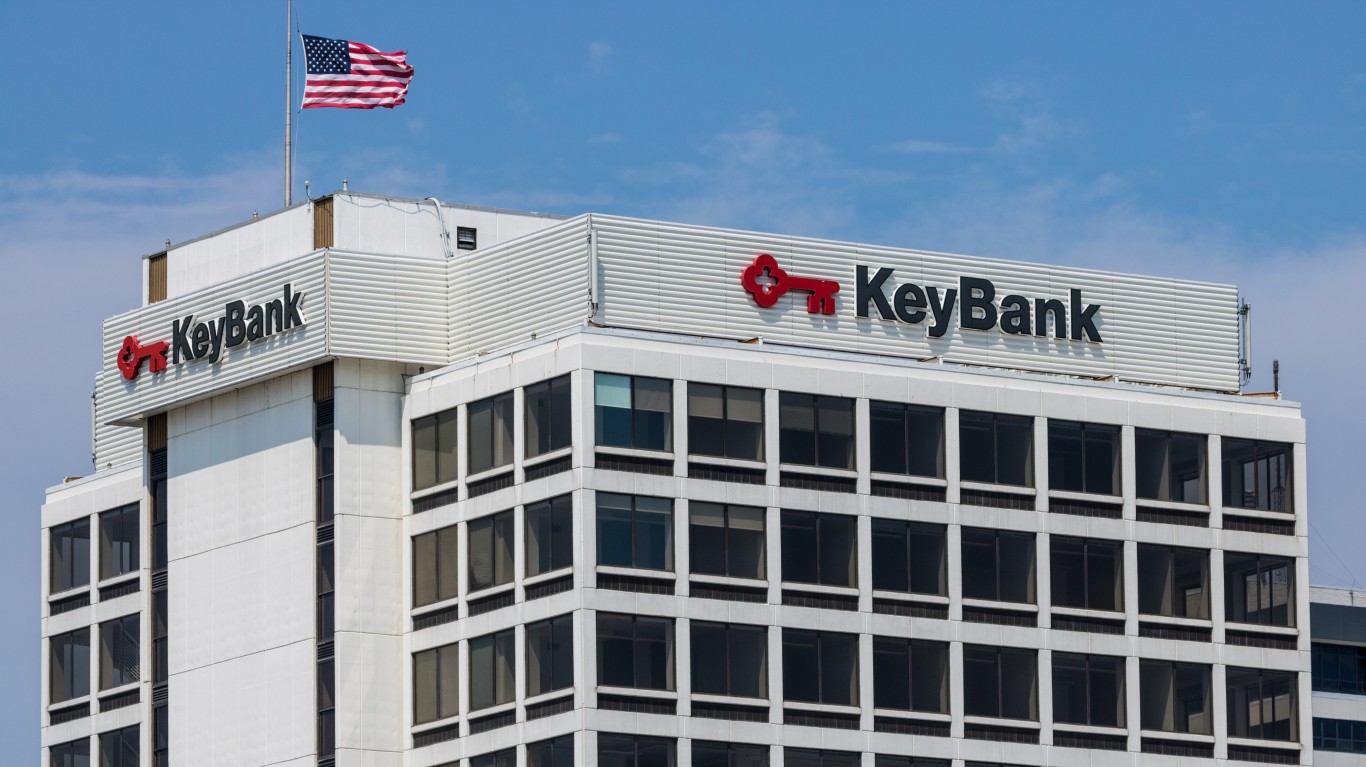
Banks, including Western Alliance Bancorp WAL, Zions ZION, Comerica CMA and KeyCorp KEY, continue to witness investor apathy. Shares of these have declined at least 30% so far this year as they fight deposit outflows.
With the central bank likely to keep the rates higher for long, banks including WAL, ZION, KEY and CMA are expected to witness further deterioration in their profitability over the next year.
Growth in net interest income and margin, as well as loans, will likely remain compressed next year, leading to a further decline in revenues. With the rates remaining high, it will further weaken the credit quality in the quarters ahead.
Comerica Incorporated (CMA): Free Stock Analysis Report
KeyCorp (KEY): Free Stock Analysis Report
Zions Bancorporation, N.A. (ZION): Free Stock Analysis Report
Western Alliance Bancorporation (WAL): Free Stock Analysis Report
To read this article on Zacks.com click here.
This article originally appeared on Zacks







 Top Gaining Stocks
 Top Losing Stocks