


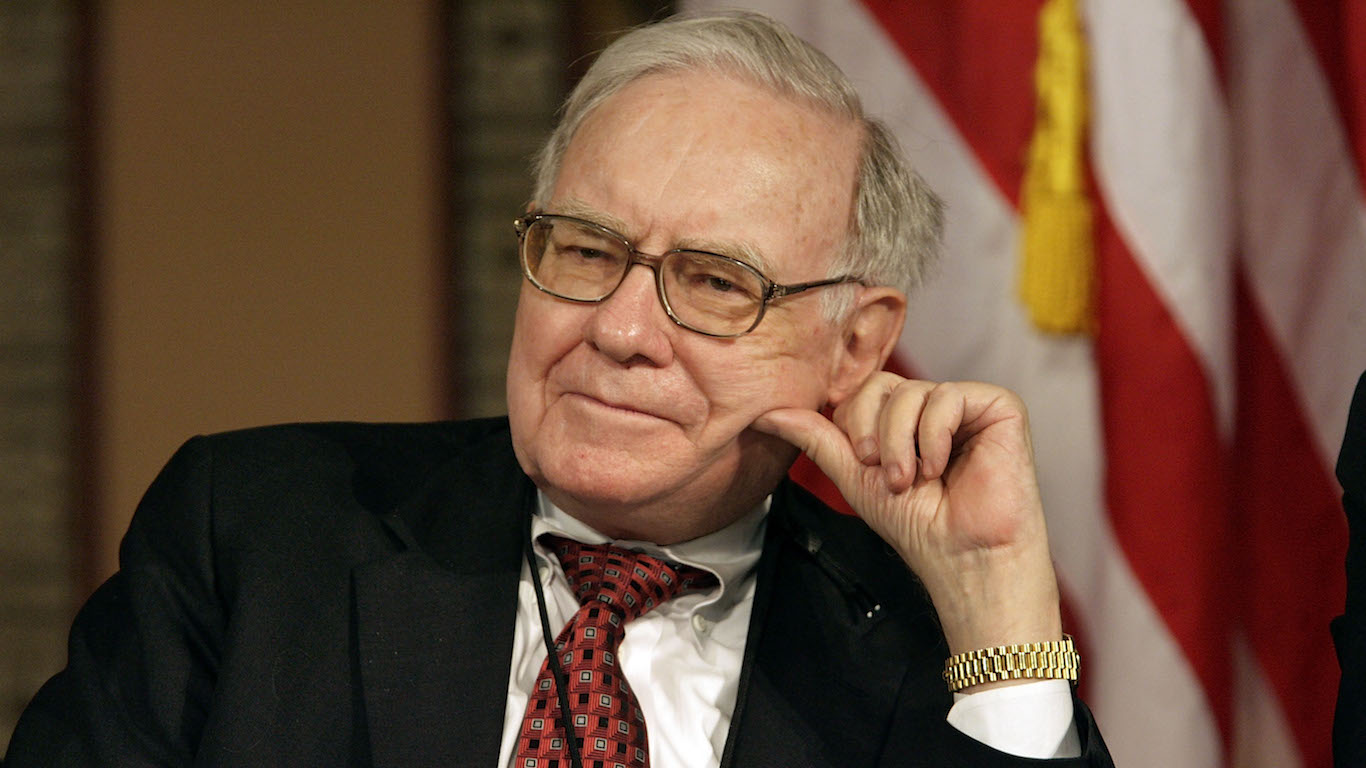
If any investor has stood the test of time
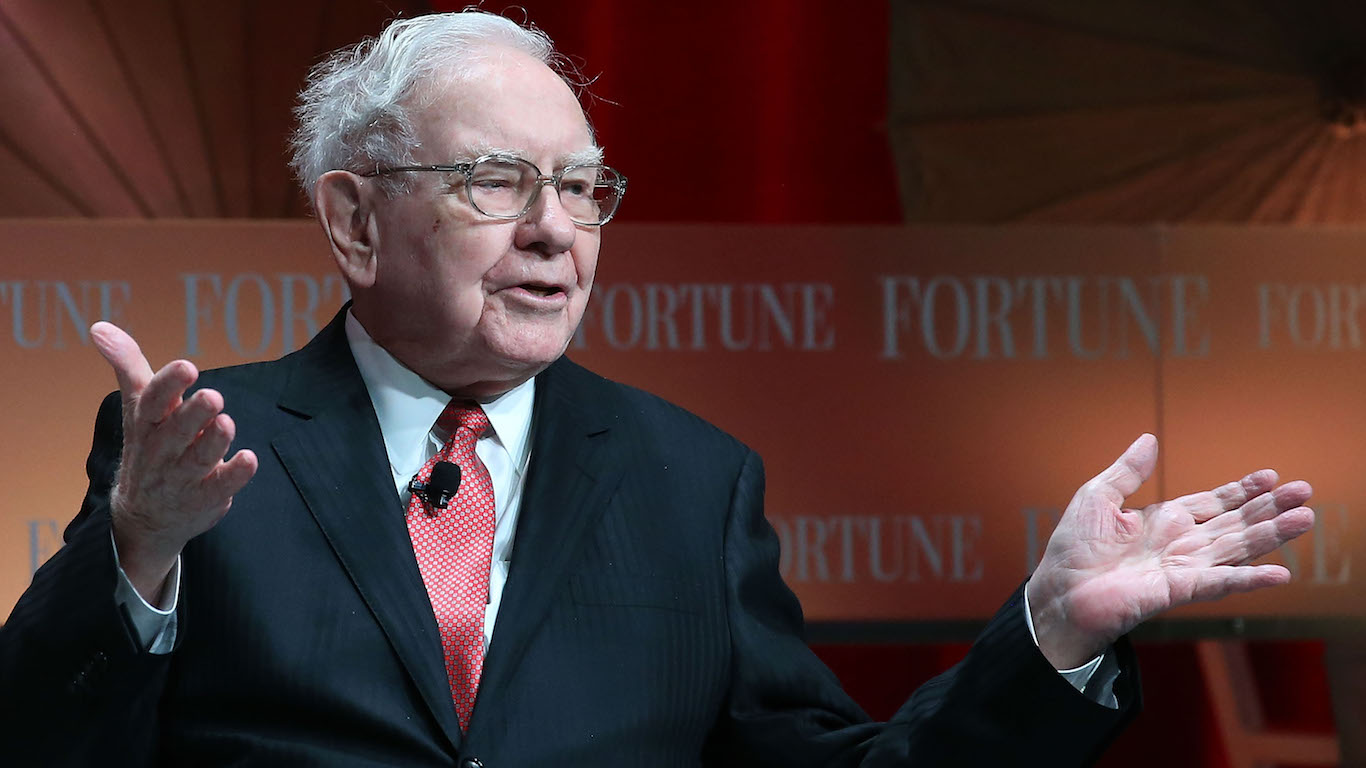
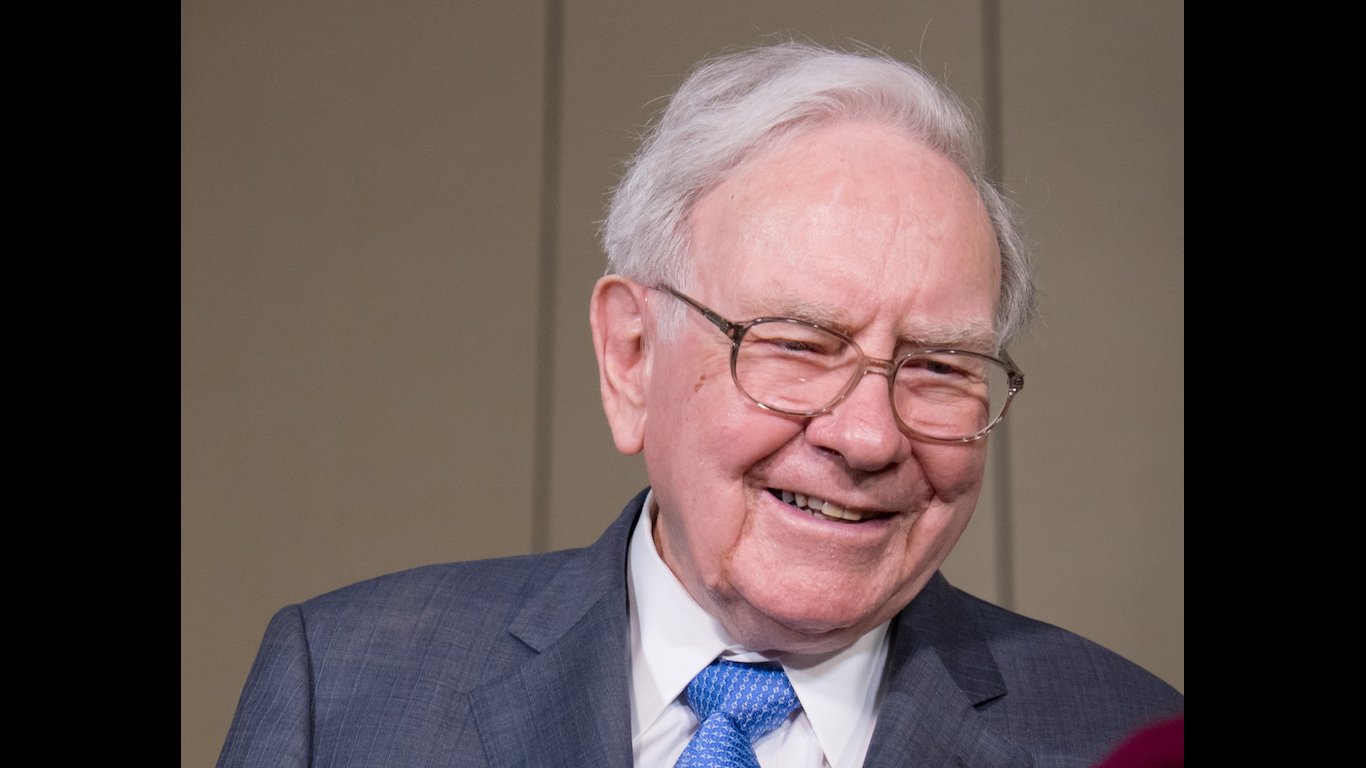
It’s Warren Buffett and with good reason. For years, the “Oracle of Omaha” has had a rock star-like presence in the investing world, and his annual Berkshire Hathaway shareholders meeting draws thousands of loyal fans who are investors. Known for his long buy-and-hold strategies and his massive portfolio of public and private holdings, he remains one of the preeminent investors in the entire world.
One of the reasons for Berkshire Hathaway’s stunning success over the years is that Warren Buffett and his recently deceased right-hand man, Charlie Munger, have always tried to stay with stock ideas they understand, which has proven to be a winning hand.
While the legacy of Berkshire Hathaway, Inc. (NYSE: BRK-A | BRK-A Price Prediction) has become part of Wall Street history, we found six reasons investors may want to avoid the stocks now.
Berkshire Hathaway A shares are incredibly expensive
Investors looking to buy the A shares of the company might get a big surprise when they plug in the stock symbol. Recently, the shares were quoted at a massive $551,080 per share. This is very close to the 52-week high of $566,570. Given the vast stock price, the shares only trade about 7500 daily.
Berkshire Hathaway B shares are more affordable but still pricey

Valued at 1/1500 of the A shares, Berkshire Hathaway, Inc. (NYSE: BRK-B) B shares recently traded at $360 per share. While much less than the other class of stock, it still takes a pretty penny to build a prominent position.
Berkshire Hathaway has never paid a dividend
Despite holding 54% of the portfolio in dividend-paying stocks that generate $1.1 billion yearly in dividend income, the company has never paid a penny to shareholders. The annual dividend windfall ends up in the cash coffers (likely Treasury bills and notes), which currently is a stunning $157.2 billion.
Warren Buffett won’t live forever
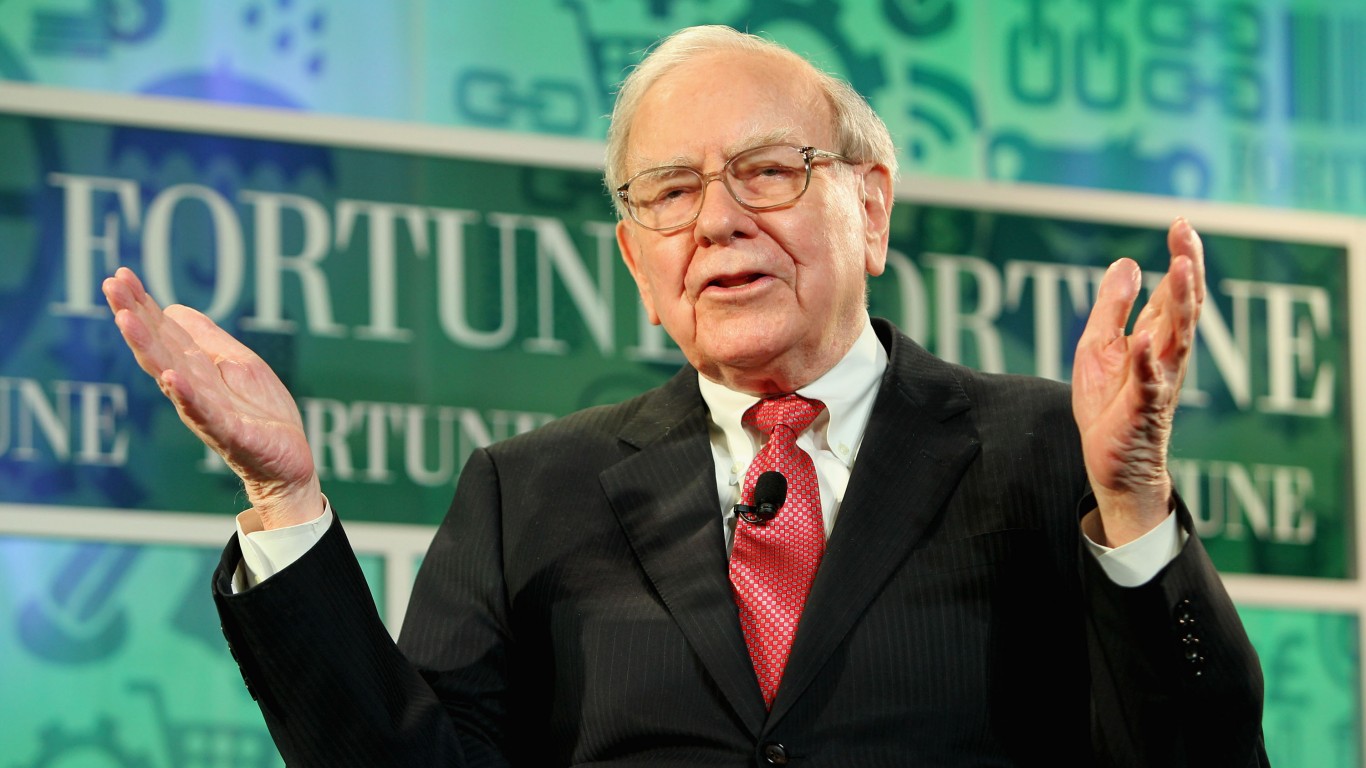
As we noted, Warren Buffett’s long-time partner and right-hand man, Charlie Munger, recently passed away at 99. Mr. Buffett is no spring chicken himself; he turned 93 on his most recent birthday in August. While succession plans have been laid out, and it is expected that Greg Abel, who oversees the company’s non-insurance division, will be the next CEO, replacing Buffett will be no easy task.
The biggest downside is the potential for limited upside
When the stock market rolls like it has in 2023, Berkshire Hathaway almost consistently underperforms, given the somewhat conservative nature of the portfolio. While the portfolio is up a solid 16.38 year-to-date, that pales in comparison to the S&P 500, which is up 23.45% so far this year, and the Nasdaq a staggering 42.6% this year.
Berkshire Hathaway is a conglomerate and could face regulatory issues
Given the sheer size of the fund and the vast public and private holdings, the company is always subject to regulatory scrutiny, especially when buying other companies. While this hasn’t been an issue with recent acquisitions, the threat is always there.
The bottom line for investors is that Berkshire Hathaway will likely always be a solid investment vehicle, especially for more conservative value-type investors. The fact that it does not, and probably will never pay dividends, is a sticking point for those who need consistent passive income.
Shares are trading near a 52-week high; investors may want to wait for a pullback.





 Top Gaining Stocks
 Top Losing Stocks