



Financial advice radio program host Dave Ramsey usually gets callers with specific questions on their personal situations. However, among general topics, one that has come up is the different mindset that separates the rich from the poor.
Ramsey noted that the major question that a rich person asks when posed with a proposition is: “How much?” Conversely, Ramsey says that a poor person will ask: “How much down payment?”
The implication is that rich people don’t spend beyond their means, while poor people habitually overspend themselves into debt scenarios. They purchase based on whether or not they can afford the down payment, without consideration about how high interest rates, sudden emergencies, a loss of employment or a pay cut can impact the ability to maintain payments, not to mention the higher total net cost when the interest is added on.
The Heavy Yoke of Debt

According to Debt.com, 1 in 3 Americans have maxed out their credit cards.
Consumer Debt Overview
According to the latest Experian data, the average American’s total debt (including mortgages, credit cards, auto loans, and student loans) reached $104,755 as of mid-2025, with internal estimates now hovering closer to $105,000 in early 2026. The national debt has continued its steep ascent, surpassing $38.98 trillion in April 2026. Based on current Treasury data, the national debt has been increasing at a rate of roughly $1 trillion every 146 days (approximately every 4.8 months).
Market Performance: Visa and Mastercard
The credit business remains massive, with major payment networks trading at significant premiums compared to 2023 levels.
| Stock (Ticker) | Current Price | 52-Week High | Analyst Consensus Target |
| Visa Inc. (V) | ~$314.38 | $375.51 | $347.00 |
| Mastercard (MA) | ~$518.43 | $602.00 | $662.00 |
Note: Stock values are approximate based on April 2026 trading data.
The Credit Card “Survival Gap”
Total credit card balances reached a record $1.28 trillion by the end of Q4 2025, a significant jump from the $1 trillion milestone hit in late 2023. A March 2026 report from Debt.com highlights a growing “survival gap” among American consumers:
-
55% of respondents now use credit cards as a primary financial lifeline to pay for staples (groceries, rent, utilities).
-
61% say they would have to rely on a credit card for a financial emergency, the highest level in three years.
-
46% of respondents have maxed out at least one credit card.
-
57% of those carrying larger balances than last year blame persistent inflation as the overwhelming factor.
-
29% are carrying credit card debt of $10,000 or more (up from 23% in 2025).
-
15% are carrying balances in excess of $30,000.
Enjoying our content? Click the Follow button above to see more from us.
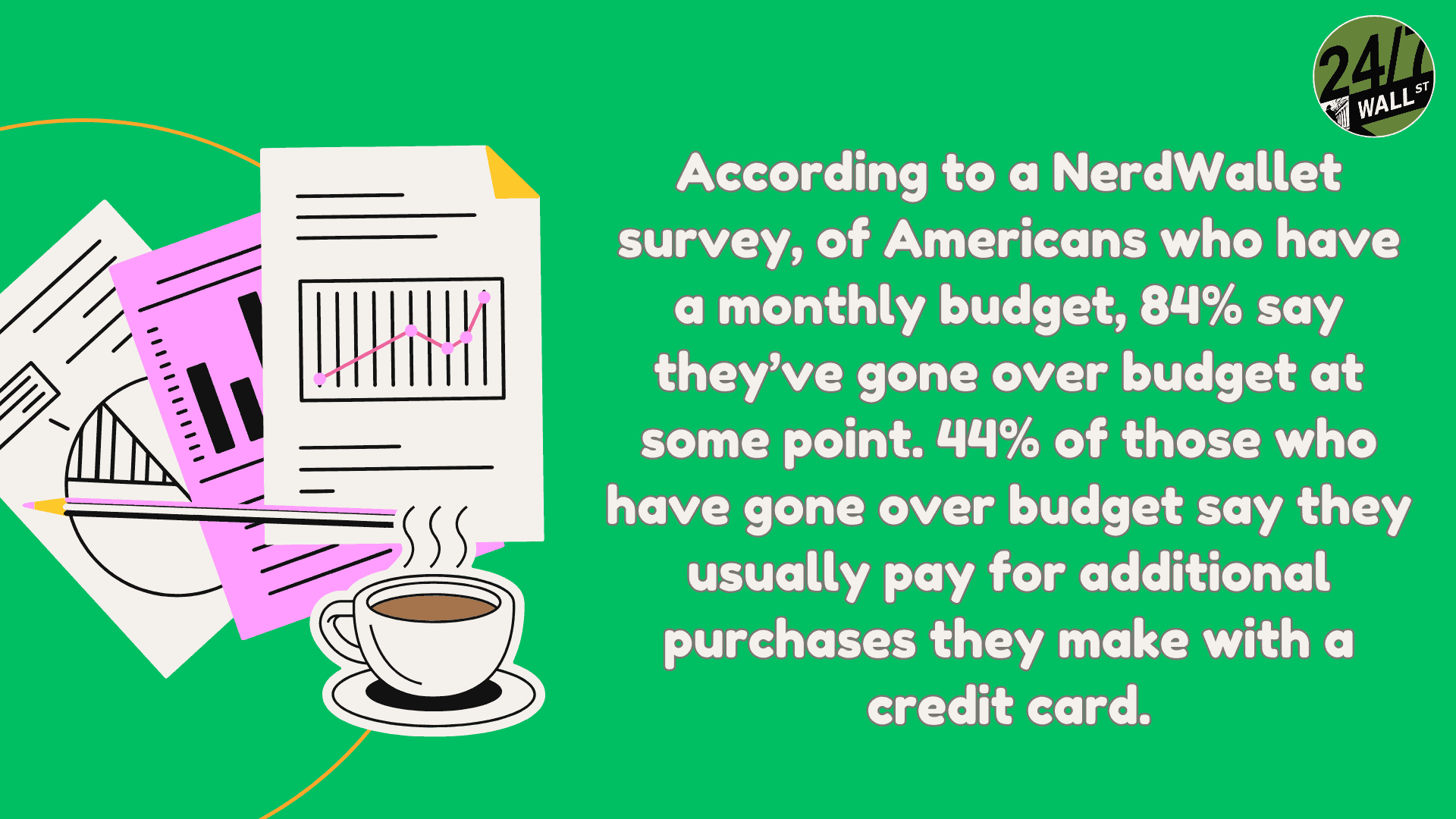
Ramsey’s fundamental advice is essentially, “Don’t buy it if you can’t afford it.” Sadly, the omnipresence of marketing in our social media, emails, television viewing, and even in reading newspapers and magazines, makes this advice even more difficult now than in bygone days.
Given that inflation is still a threat that is lurking around the corner to jump higher yet again, cutting credit cards that may be needed in emergencies is not a practical option in the current economic climate. However, there are some steps that those trying to handle debt can take to get out from under:
- Make a weekly budget and start saving. Even a small amount of savings every week, after all current expenses are met, will become a financial benefit, and is a good habit to develop. The weekly budget will help to separate spending on “needs” versus “wants”, and offer a good financial picture as to how much cash is being burned so that lifestyle adjustments can be decided upon.
- Eliminate the habitual use of credit cards. By sticking to cash and debit cards, regular account monitoring will immediately let one know how well a budget is being adhered to. The cost of a $10 McDonald’s meal bought on credit with a high-interest rate credit card can wind up costing more than double in the long run, depending on how much the overall debt can be paid down over what period of time.
- Look for debt consolidation options. As interest rates may temporarily fall somewhat thanks to the recent Fed Funds rate cuts, locking in a lower interest rate and using it to consolidate high-interest cards can be invaluable in refinancing outstanding debt into a more manageable monthly amount and will help to accelerate retiring the entire principal overhang amount.











 Top Gaining Stocks
 Top Losing Stocks