


Since 1926, dividends have contributed approximately 32% of the total return for the S&P 500, while capital appreciations have contributed 68%. Therefore, sustainable dividend income and capital appreciation potential are essential for total return expectations.
A recent study from the Hartford Funds, in collaboration with Ned Davis Research, found that dividend stocks delivered an annualized return of 9.18% over the past half-century (1973-2022). Over the same timeline, this was more than double the annualized return for non-payers (3.95%).
At 247 Wall St., we always remind our readers about the impact total return has on portfolios because it is one of the best ways to improve the chances of overall investing success. Again, total return is the combined increase in a stock’s value plus dividends.
For example, if you buy a stock at $20 that pays a 3% dividend, and it goes up to $22 in a year, your total return is 13%—10% for the increase in stock price and 3% for the dividends paid.
With a massively overbought stock market and the chances for a significant correction this Spring, we screened our 24/7 Wall St. Dividend Stock research database, looking for solid companies that pay big and dependable dividends. Six Blue-Chip stocks that look like solid ideas for March and the rest of 2024 hit our screens. All are rated Buy on Wall Street.
Chevron
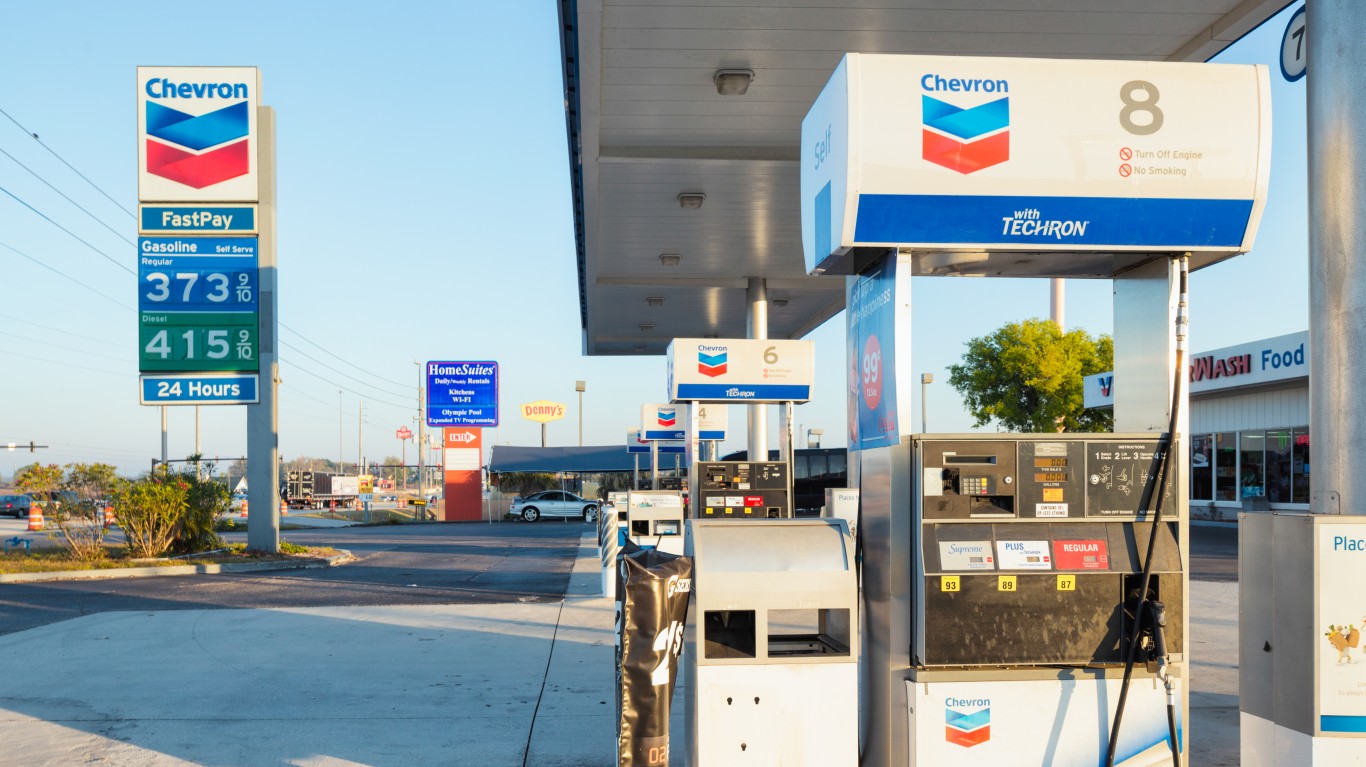
This integrated giant is a safer way for investors looking to position themselves in the energy sector. It pays a rich 4.35% dividend, and Buffett added 16 million shares in the first quarter. Chevron Corporation (NYSE: CVX | CVX Price Prediction) engages in integrated energy and chemicals operations worldwide through its subsidiaries.
The company operates in two segments:
- Upstream
- Downstream
The Upstream segment is involved in the following:
- Exploration, development, production, and transportation of crude oil and natural gas;
- Processing, liquefaction, transportation, and regasification associated with liquefied natural gas
- Transportation of crude oil through pipelines
- Transportation, storage, and marketing of natural gas, as well as operating a gas-to-liquids plant
The Downstream segment engages in:
- Refining crude oil into petroleum product
- Marketing crude oil, refined products, and lubricants
- Manufacturing and marketing renewable fuels
- Transporting crude oil and advanced products by pipeline, marine vessel, motor equipment, and rail car
- Manufacturing and marketing of commodity petrochemicals, plastics for industrial uses, and fuel and lubricant additives
Chevron announced in the fall that it has entered into a definitive agreement with Hess Corporation (NYSE: HES) to acquire all of the outstanding shares of Hess in an all-stock transaction valued at $53 billion, or $171 per share based on Chevron’s closing price on October 20, 2023. Under the terms of the agreement, Hess shareholders will receive 1.0250 shares of Chevron for each Hess share. The transaction’s total enterprise value, including debt, is $60 billion.
Citigroup
This is a top bank, where Warren Buffett bought a massive $2.5 billion worth of stock back in the summer of 2022 and pays a dependable 3.65% dividend. Citigroup Inc. (NYSE: C) is a leading global diversified financial service company that provides consumers, corporations, and governments with a broad range of financial products and services.
Citigroup offers:
- Consumer banking and credit
- Corporate and investment banking
- Securities brokerage
- Transaction services
- Wealth management services
Citi operates and does business in more than 160 countries/ jurisdictions in North America, Latin America, Asia, Europe/Middle East and Africa (EMEA).
Trading at a still cheap 9.5 times estimated 2024 earnings; this company looks very reasonable in a volatile stock market and a dramatically lagged sector.
Crown Castle International

This top cell tower company offers incredible growth and income possibilities with a fat 5.54% dividend. Crown Castle International Corp. (NYSE: CCI) is one of the largest U.S. wireless tower companies, with over 40,000 towers and approximately 90,000 route miles of fiber supporting small cells and fiber solutions across every primary U.S. market.
The company’s core business is leasing space on its wireless towers, primarily to wireless carriers, government agencies, and broadband data providers. This nationwide portfolio of communications infrastructure connects cities and communities to essential data, technology, and wireless service – bringing information, ideas, and innovations to the people and businesses that need them.
Crown Castle is one of the best stocks in the sector for more conservative investors. Its high yield distribution and low volatility make it a good holding for accounts seeking growth, income, and less risk.
Pfizer
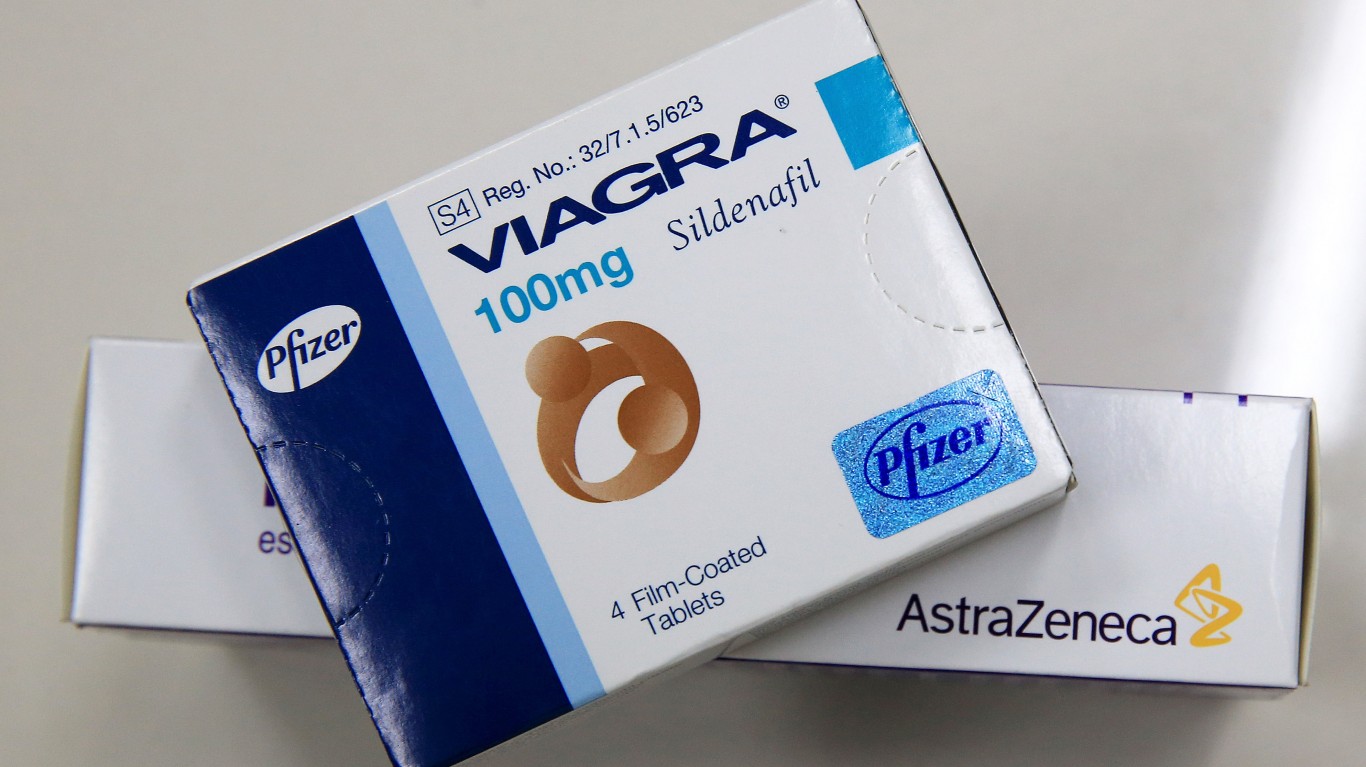
The company was established in 1849 in New York by two German entrepreneurs.
This top pharmaceutical stock was a massive winner in the COVID-19 vaccine sweepstakes but has been crushed as many are not getting boosters. Pfizer Inc. (NYSE: PFE) discovers, develops, manufactures, markets, distributes, and sells biopharmaceutical products worldwide and pays a hefty 6.17% dividend, which has risen yearly for the last 14 years.
The company offers medicines and vaccines in various therapeutic areas, including:
- Cardiovascular metabolic and women’s health under the Premarin family and Eliquis brands
- Biologics, small molecules, immunotherapies, and biosimilars under the Ibrance, Xtandi, Sutent, Inlyta, Retacrit, Lorbrena, and Braftovi brands
- Sterile injectable and anti-infective medicines and oral COVID-19 treatment under the Sulperazon, Medrol, Zavicefta, Zithromax, Vfend, Panzyga, and Paxlovid brands.
Pfizer also provides medicines and vaccines in various therapeutic areas, such as:
- Pneumococcal disease, meningococcal disease, tick-borne encephalitis
- COVID-19 under the Comirnaty/BNT162b2, Nimenrix, FSME/IMMUN-TicoVac, Trumenba, and the Prevnar family brands
- Biosimilars for chronic immune and inflammatory diseases under the Xeljanz, Enbrel, Inflectra, Eucrisa/Staquis, and Cibinqo brands
- Amyloidosis, hemophilia, and endocrine diseases under the Vyndaqel/Vyndamax, BeneFIX, and Genotropin brands
Philip Morris International

This company has continued to grow its global market share and pays a fat 5.61% divided. Philip Morris International Inc. (NYSE: PM) is one of the largest international cigarette producers, with a share of 28% of the global cigarette/heated tobacco market.
Key combustible brands include:
- Marlboro
- Parliament
- L&M
The company is commercializing IQOS, a heat-not-burn product, in over 40 markets, which could drive earnings in the future. Most on Wall Street believe Philip Morris International offers superior underlying growth prospects, both near-term and long-term.
The share price has been weak lately as investors have questioned the growth potential of its reduced-risk products. All sales are outside the United States.
Verizon Communications
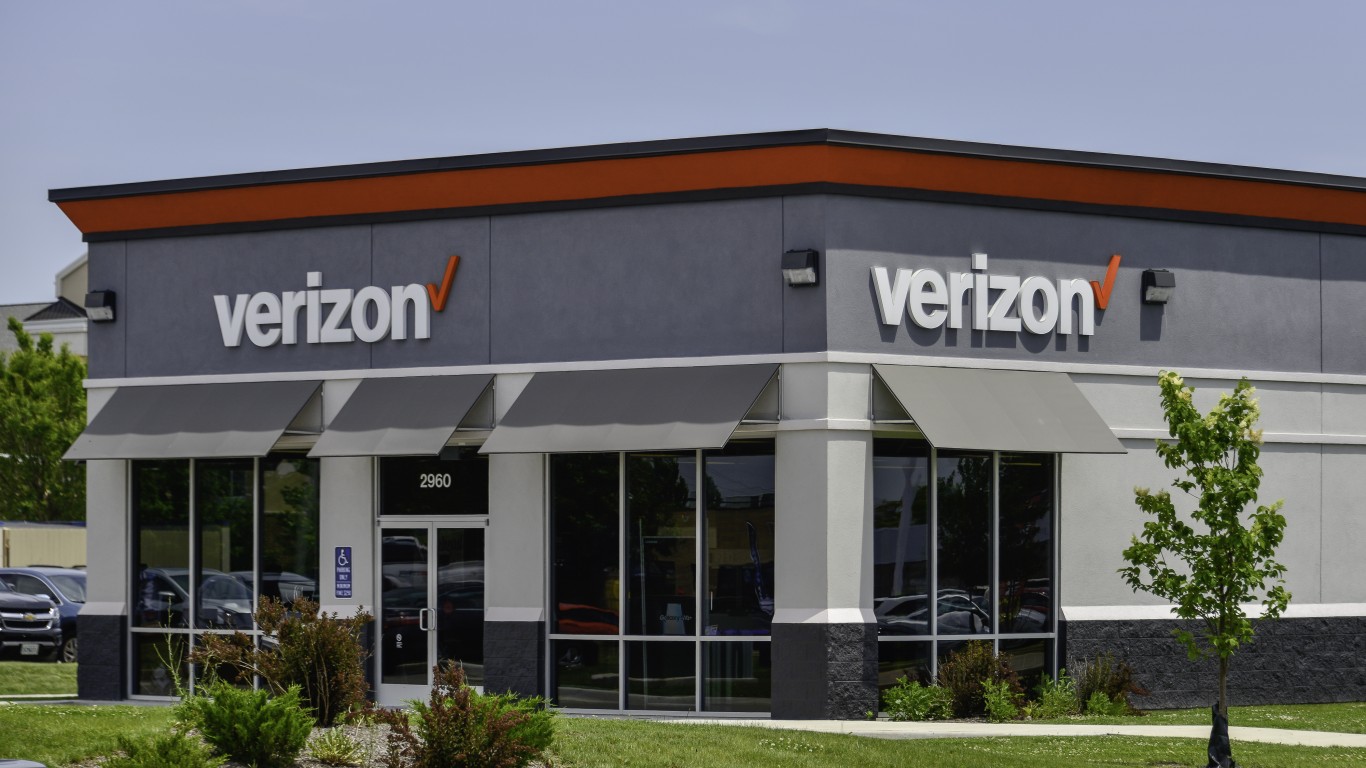
This top telecommunications company offers tremendous value and pays investors a 6.73% dividend. Verizon Communications, Inc (NYSE: VZ) is one of the largest US telecom companies. It provides wireless and wireline services to retail, enterprise, and wholesale customers.
The company’s wireless network serves approximately 120 million mobile connections with 115 million postpaid subscribers. Verizon’s wireline business has undergone a period of secular decline due to wireless substitution and cable competition.
Verizon also provides converged communications, information, and entertainment services over America’s most advanced fiber-optic network and delivers integrated business solutions to customers worldwide.









 Top Gaining Stocks
 Top Losing Stocks