


24/7 Wall St. Insights
- Ford Motor Co. (NYSE: F | F Price Prediction) faces production issues and other challenges.
- Yet, is now the time for investors to scoop up the automaker’s shares?
- Also: Discover 2 dividend legends to hold forever.
Ford Motor Co. (NYSE: F) was founded more than 120 years ago by Henry Ford, a true industry innovator. The iconic company was one of the big three American automakers, and today is still the second-largest one based in the United States. However, it barely survived the Great Recession, and then it, along with the industry, was hit again by the COVID-19 pandemic shutdowns. So the prospects of electrification of the world’s millions of vehicles must have seemed fortunate. Has Ford’s focus on electric vehicles (EVs) paid off, or will it?
Why Invest in Ford?

Is now the time to buy Ford shares?
Ford stock is up over 585% since the beginning of 1983. Though shares once traded for more than $37 apiece (split-adjusted), they were last seen changing hands for less than $11.
The company says it aims to help build a better world where every person is free to move and pursue their dreams, and it is committed to making this evident in every part of its business, from the way it sources materials to the vehicles it creates, the services it provides, and the interactions it has with customers, employees, and communities. That, it says, has set Ford apart as a company for more than a century.
The company offers a 5.6% dividend. The stock underperformed the S&P 500 in 2023, ending the year around 6% higher. The question is whether the shares are likely to continue rising.
Ford, the Company
An iconic American automaker.
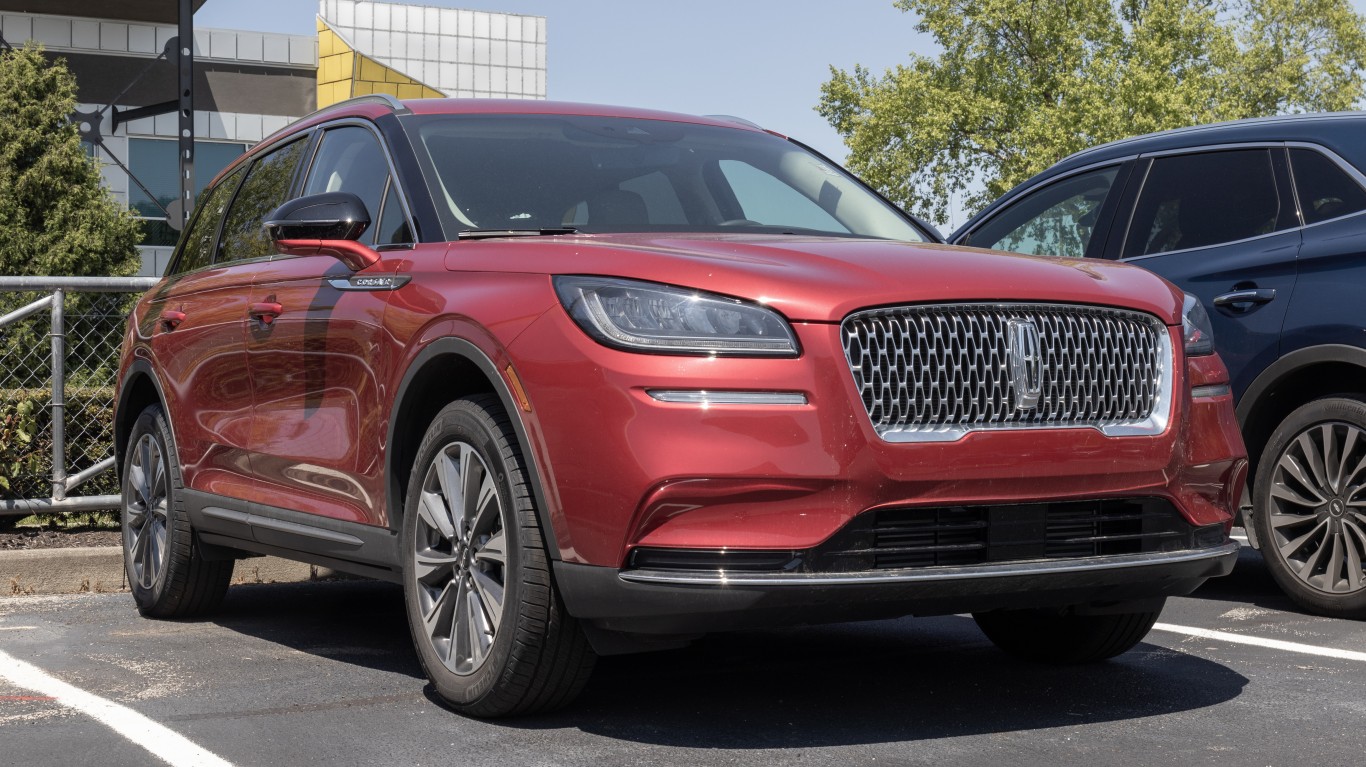
The company develops, delivers, and services a range of Ford trucks, commercial cars and vans, sport utility vehicles, and Lincoln luxury vehicles worldwide. It operates through Ford Blue, Ford Model e, and Ford Pro segments, as well as Ford Next and Ford Credit.
The company sells Ford and Lincoln vehicles, service parts, and accessories through distributors and dealers, as well as through dealerships to commercial fleet customers, daily rental car companies, and governments. It also engages in vehicle-related financing and leasing activities to and through automotive dealers.
In addition, the company provides retail installment sale contracts for new and used vehicles, as well as direct financing leases for new vehicles to retail and commercial customers, such as leasing companies, government entities, daily rental companies, and fleet customers. Further, it offers wholesale loans to dealers to finance the purchase of vehicle inventory, and loans to dealers to finance working capital and enhance dealership facilities, purchase dealership real estate, and other dealer vehicle programs.
Company headquarters are in Dearborn, Michigan, a suburb of Detroit. The company was founded in 1903 by Henry Ford, and the Ford family still controls it. The company first went public in 1956. It competes with or is similar to General Motors Co. (NYSE: GM), Toyota Motor Corp. (NYSE: TM), and other automakers.
Sales were up 13% in August due to SUV, pickup, and hybrid demand. The company recently scaled back its EV plans, after joining Tesla’s charger network in the spring. Last year it restructured under its Ford+ growth strategy.
Three Problems With Ford
Production and vehicle quality issues, and more.
The automaker blamed its big second-quarter earnings miss on an $800 million spike in warranty repair costs for vehicles built in 2021 and earlier. The chief financial officer insisted that one troubled quarter didn’t mean things had gone off track for the company. Analysts were not so sure. A Barclays research note said, “The warranty challenges are frustrating for investors, as they come on the heels of many other warranty issues in past years and at times drag results without warning.”
The warranty repair costs problem is a consequence of Ford’s issues with vehicle quality. Manufacturing troubles and inefficiencies in sourcing materials have led to production delays and vehicle recalls. In fact, Ford was the most-recalled brand last year, with over 50 recalls involving more than 5 million vehicles. In addition, it ranked poorly in the 2023 J.D. Power reliability study. However, it improved its performance in the same agency’s 2024 initial quality study.
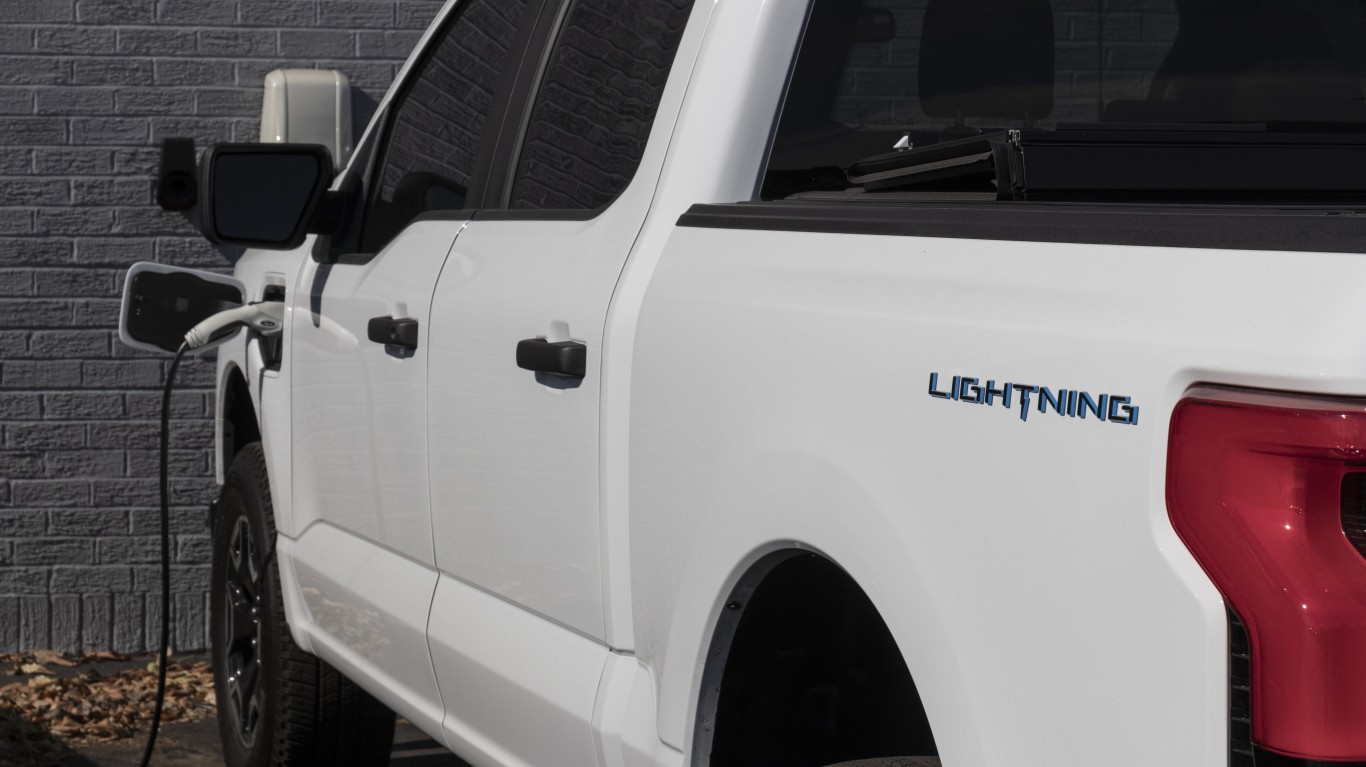
Production issues are also related to what is undoubtedly Ford’s largest and most disappointing issue now: the failure of its EV push to pay off. The company invested billions of dollars in the technology, yet struggled with getting its offerings off the ground. If that weren’t enough, demand for EVs failed to materialize. So Ford has had to reassess its EV strategy, postponing further spending, scaling back plans, and changing its priorities.
Where Is the Stock Headed?

Wall Street remains cautiously optimistic about Ford stock.
The share price is more than 11% lower than it was at the start of the year. In that time, the S&P 500 is up almost 18%. Note that the $12.83 mean price target is less than the 52-week high but represents almost 25% upside in the next 12 months. Yet, only four of 24 analysts who cover the stock recommend buying Ford shares. Morgan Stanley just reiterated an Overweight, but Wells Fargo maintained its Underweight rating. Earlier this summer, Goldman Sachs reiterated a Neutral rating and Barclays maintained an Overweight rating.
Institutional investors hold nearly 58% of shares. Vanguard, Blackrock, and State Street have notable stakes. About 3.9 billion shares, or almost 2.7% of the float, are held short. And a director acquired less than 25,000 shares back in June.












 Top Gaining Stocks
 Top Losing Stocks