


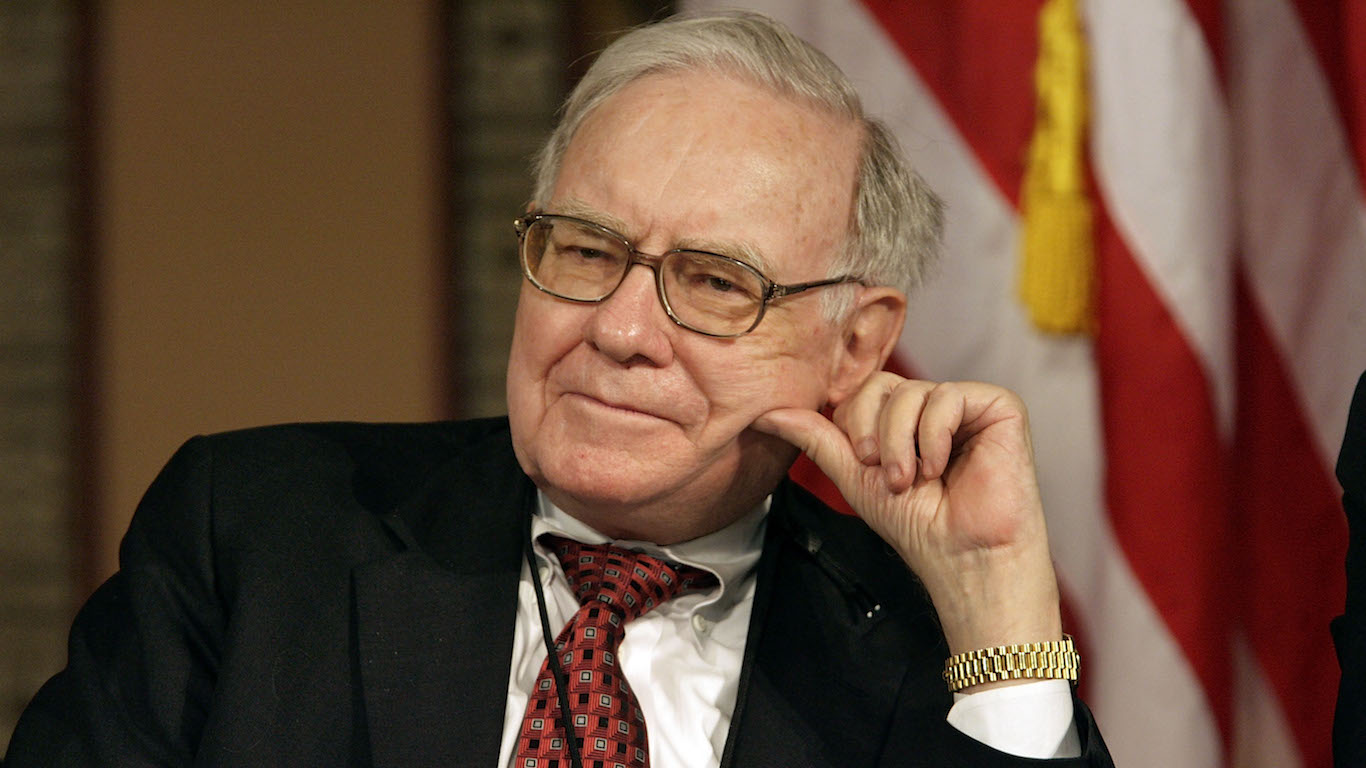
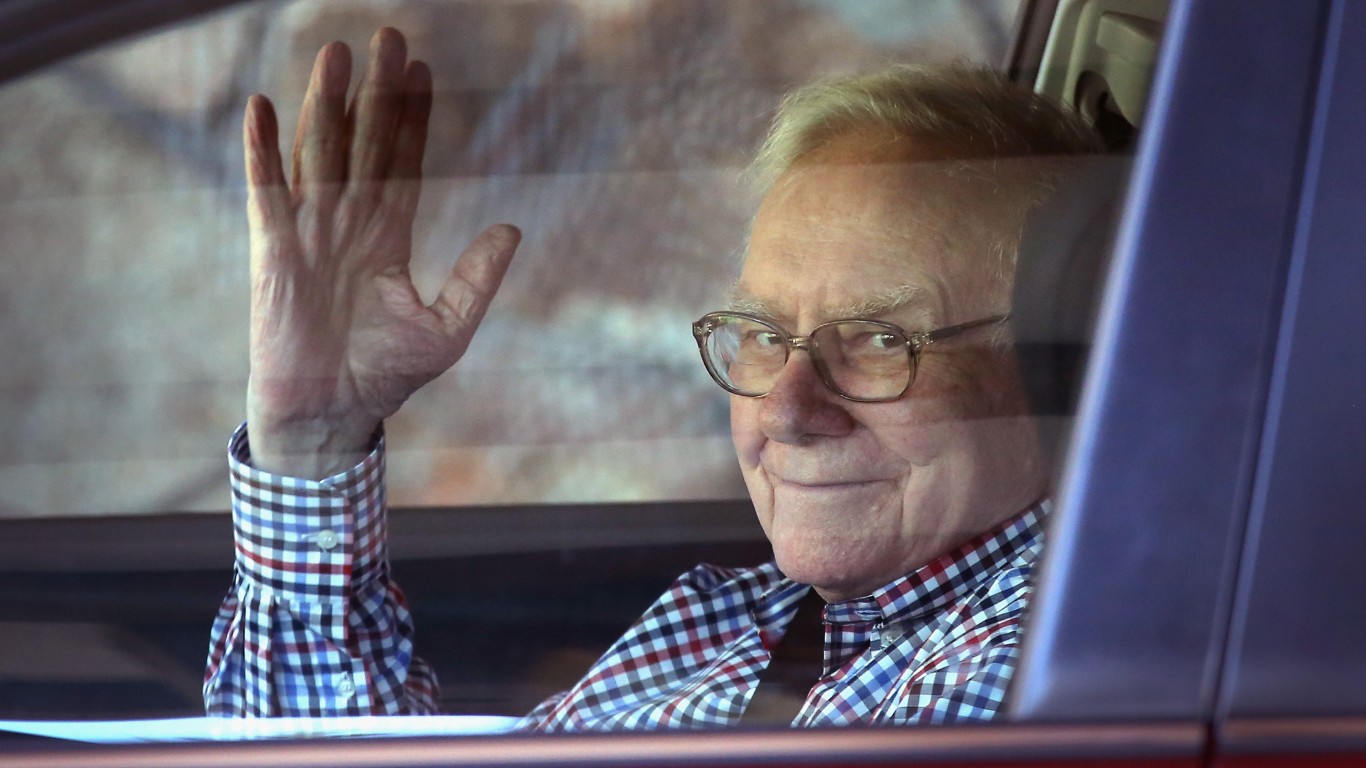
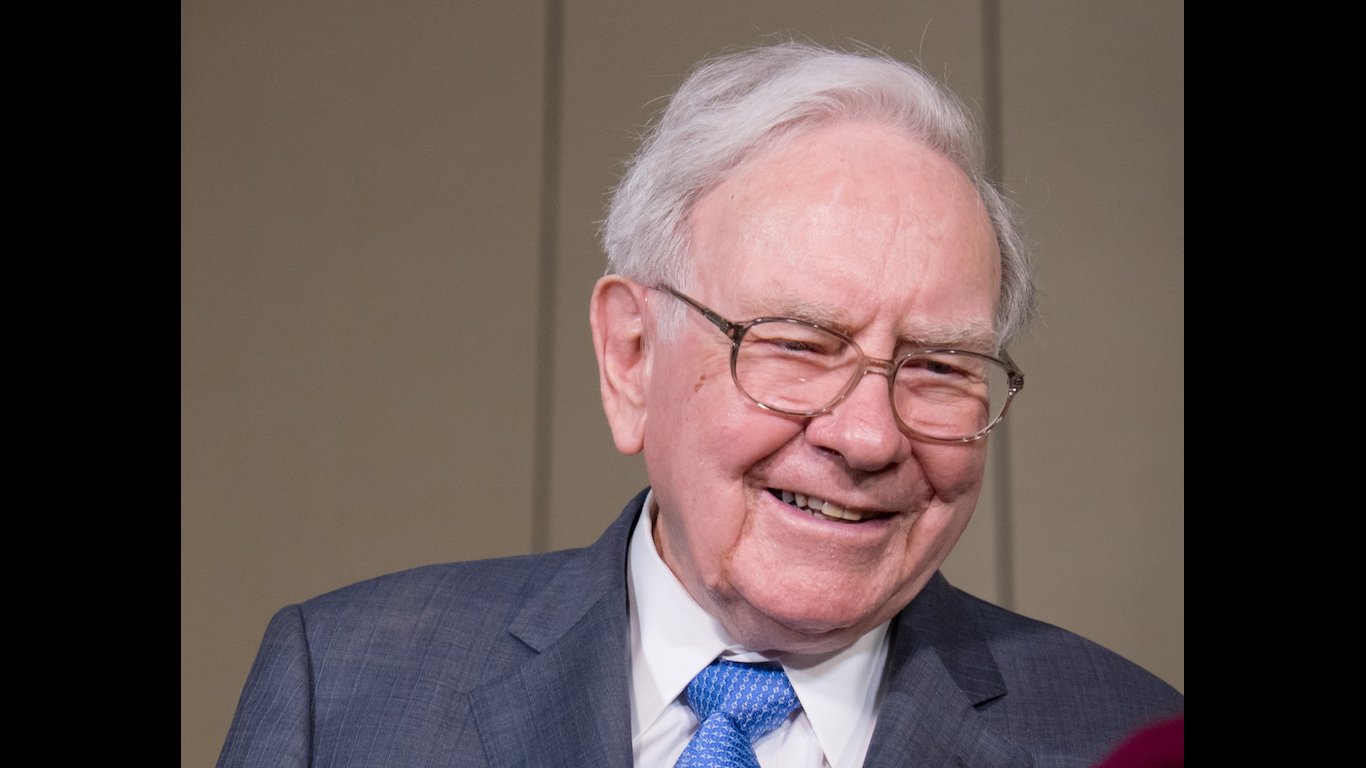
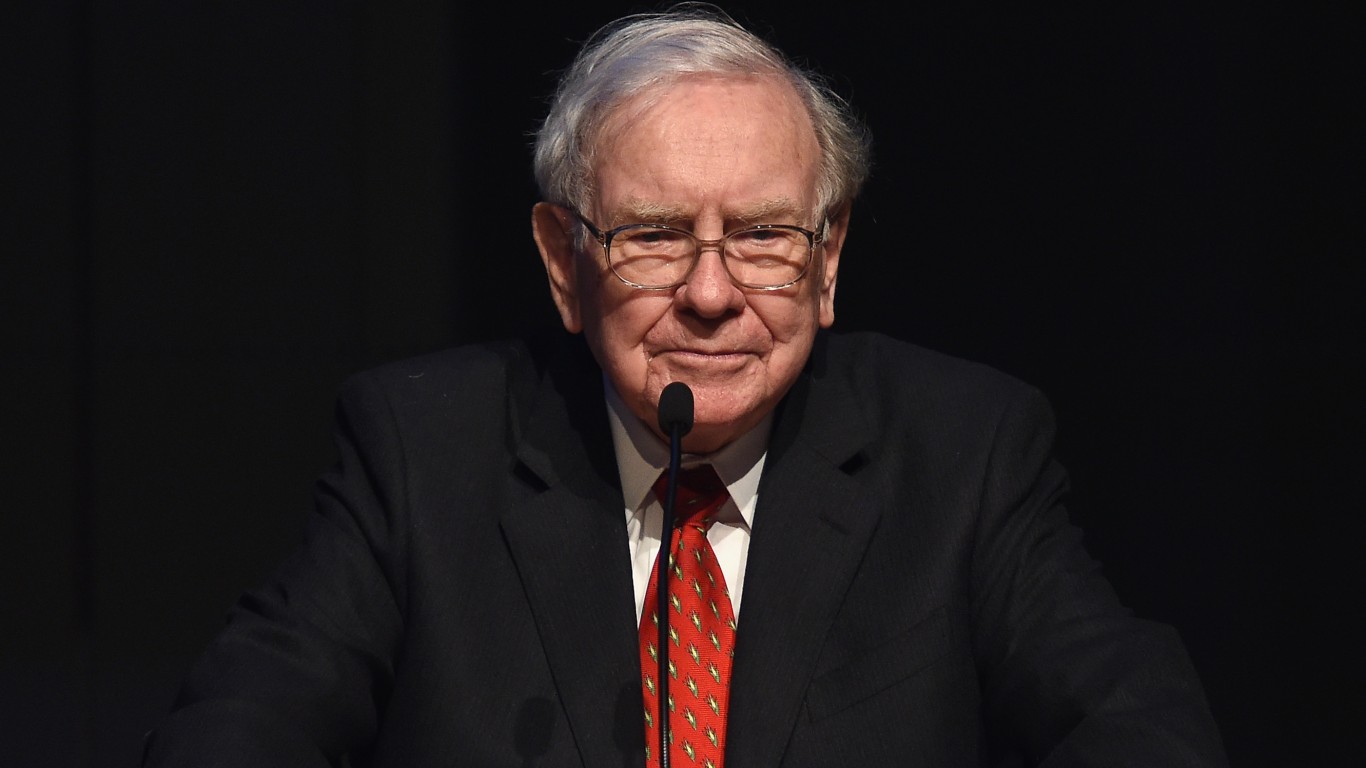
If any investor has stood the test of time, it is Warren Buffett, and with good reason. For years, the “Oracle of Omaha” has had a rock-star-like presence in the investing world, and his annual Berkshire Hathaway shareholders meeting draws thousands of loyal fans who are investors. This year, he surprised the attendees at the shareholder meeting by announcing that he was stepping down as chief executive officer at the end of the year. This marks the end of a magnificent 60-year run, as Buffett has been at the helm of Berkshire Hathaway since 1965. He took control of the company, then a struggling textile manufacturer, and transformed it into a diversified holding company known for its solid and profitable investments.
After a massive rally off the April lows, which wiped out the majority of the losses, the major indices are now flat to slightly down for 2025. While the rally was just about as fast as the sell-off that brought us to the lows, some on Wall Street, including major hedge funds, are floating the possibility that we could see a retest of the lows. With the S&P 500 up a stunning 18% in just 25 trading days, many feel we could hit a buying exhaustion point, and the sellers will return.
One good idea for those who traded the sell-off and bought shares of the Magnificent 7 and other artificial intelligence stocks may be to take your profits and shift capital for the time being to the safest stocks in the Berkshire Hathaway portfolio. Four come to mind, and all make sense for nervous investors who would like to avoid losing their trading gains. All are suitable for growth and income investors.
Why do we cover Warren Buffett stocks?
There are few investors with the results and reputation that Buffett has garnered over the past 60 years. While investing has evolved over the past half-century, buying good companies with products and services recognized worldwide, while paying dividends, will always remain a timeless approach.
Bank of America
This American multinational investment bank and financial services company posted outstanding first-quarter results, and it pays a reliable dividend. Bank of America Corp. (NYSE: BAC | BAC Price Prediction) has four segments:
- Consumer Banking
- Global Wealth and Investment Management (GWIM)
- Global Banking
- Global Markets
The Consumer Banking segment offers a range of credit, banking, and investment products and services to consumers and small businesses.
The GWIM includes two businesses:
- Merrill Wealth Management, which provides tailored solutions to meet clients’ needs through a complete set of investment management, brokerage, banking, and retirement products
- Bank of America Private Bank, which provides comprehensive wealth management solutions
The Global Banking segment offers a range of lending-related products and services, including integrated working capital management and treasury solutions, as well as underwriting and advisory services.
The Global Markets segment provides sales, trading, and research services to institutional clients across fixed-income, credit, currency, commodity, and equity markets.
Despite selling a stunning 326 million shares in 2024, Berkshire Hathaway still owns 680,233,587 shares, 8.9% of the float and 10.3% of the portfolio.
The Coca-Cola Company
Coca-Cola Co. (NYSE: KO) is an American multinational corporation founded in 1892. It remains a top long-time holding of Buffett, who owns a massive 400 million shares, and pays a very dependable dividend. Coca-Cola is the world’s largest beverage company, offering consumers more than 500 sparkling and still brands.
Led by Coca-Cola, one of the world’s most valuable and recognizable brands, the company’s portfolio features 20 billion-dollar brands, including:
- Diet Coke
- Coca-Cola Light
- Coca-Cola Zero Sugar
- Caffeine-free Diet Coke
- Cherry Coke
- Fanta Orange
- Fanta Zero Orange
- Fanta Zero Sugar
- Fanta Apple
- Sprite
- Sprite Zero Sugar
- Simply Orange
- Simply Apple
- Simply Grapefruit
- Fresca
- Schweppes
- Dasani
- Fuze Tea
- Glacéau Smartwater
- Glacéau Vitaminwater
- Gold Peak
- Ice Dew
- Powerade
- Topo Chico
- Minute Maid
Globally, Coca-Cola is the top provider of sparkling beverages, ready-to-drink coffees, juices, and juice drinks.
Through the world’s most extensive beverage distribution system, consumers in more than 200 countries enjoy the company’s beverages at a rate of over 1.9 billion servings per day. It’s also important to remember that the company owns 16.7% of Monster Beverage, which continues to deliver strong financial results.
Kraft Heinz
Kraft Heinz Co. (NYSE: KHC) is the third-largest food and beverage company in North America and the fifth largest globally. Even in difficult times, everyone has to eat, and this company consistently benefits while paying a huge dividend. Kraft Heinz was formed via the merger of H.J. Heinz and Kraft Foods.
The company manufactures and markets food and beverage products worldwide through its eight consumer-driven product platforms:
- Taste Elevation
- Easy Ready Meals
- Hydration
- Meats
- Cheeses
- Substantial Snacking
- Desserts
- Coffee and other grocery products
The company has two reportable segments defined by geographic region: North America and International Developed Markets.
Its other segments, consisting of West and East Emerging Markets (WEEM) and Asia Emerging Markets (AEM), are combined and disclosed as Emerging Markets.
It manufactures its products from a wide variety of raw materials. Its brands include:
- Kraft
- Oscar Mayer
- Heinz
- Philadelphia
- Lunchables
- Velveeta
- Ore-Ida
- Capri Sun
- Maxwell House
- Kool-Aid
- Jell-O
- Golden Circle
- Wattie’s
- Plasmon
- Pudliszki
The company’s products are sold through its own sales organizations and independent brokers, agents, and distributors.
Kroger
This grocery chain giant is a consistently solid and conservative investment that pays a reliable dividend. Kroger Co. (NYSE: KR) operates supermarkets, multi-department stores, and fulfillment centers throughout the United States.
The company operates in over 35 states and the District of Columbia approximately:
- 2,731 supermarkets
- 2,273 pharmacies
- 1,702 fuel centers
Kroger also offers online shopping through a digital ecosystem, providing customers with an omnichannel experience, and manufactures and processes food for sale in its supermarkets and online.
It offers Pickup and Harris Teeter ExpressLane personalized services, allowing customers to order online and pick up at approximately 2,412 of its supermarkets.
The company also offers delivery, enabling it to provide digital solutions to nearly all of its customers. Its delivery solutions include orders delivered to customers at retail store locations, customer fulfillment centers, and orders placed through third-party platforms. Lastly, they also offer customer-facing apps and interfaces.
Four Strong Buy Bargain Energy Stocks With Ultra-High-Yield Dividends From 7% to Over 20





 Top Gaining Stocks
 Top Losing Stocks