


Nvidia (NASDAQ:NVDA | NVDA Price Prediction) stock was the first-ever company to hit a $4 trillion market cap. As the GPU colossus looks to $5 trillion and beyond, the big question in tech is which company will be second, and in what timeframe will number two be stepping up to the plate? Indeed, it’s a close race to $4 trillion, and the second half may very well see one or more tech titans join the exclusive club alongside Nvidia.
Among the most notable contenders in the race to $4 trillion, we have Amazon (NASDAQ:AMZN) and Meta Platforms (NASDAQ:META), which may have what it takes to hit $4 trillion in the medium term, perhaps after Microsoft (NASDAQ:MSFT), which is closest to hitting the milestone.
In any case, Amazon and Meta have the growth drivers in place and a valuation that’s modest enough to make serious strides in the next 18 months. Though I think both names can join the $4 trillion club within the timeframe, the big question is which Mag Seven member will get there first.
Amazon
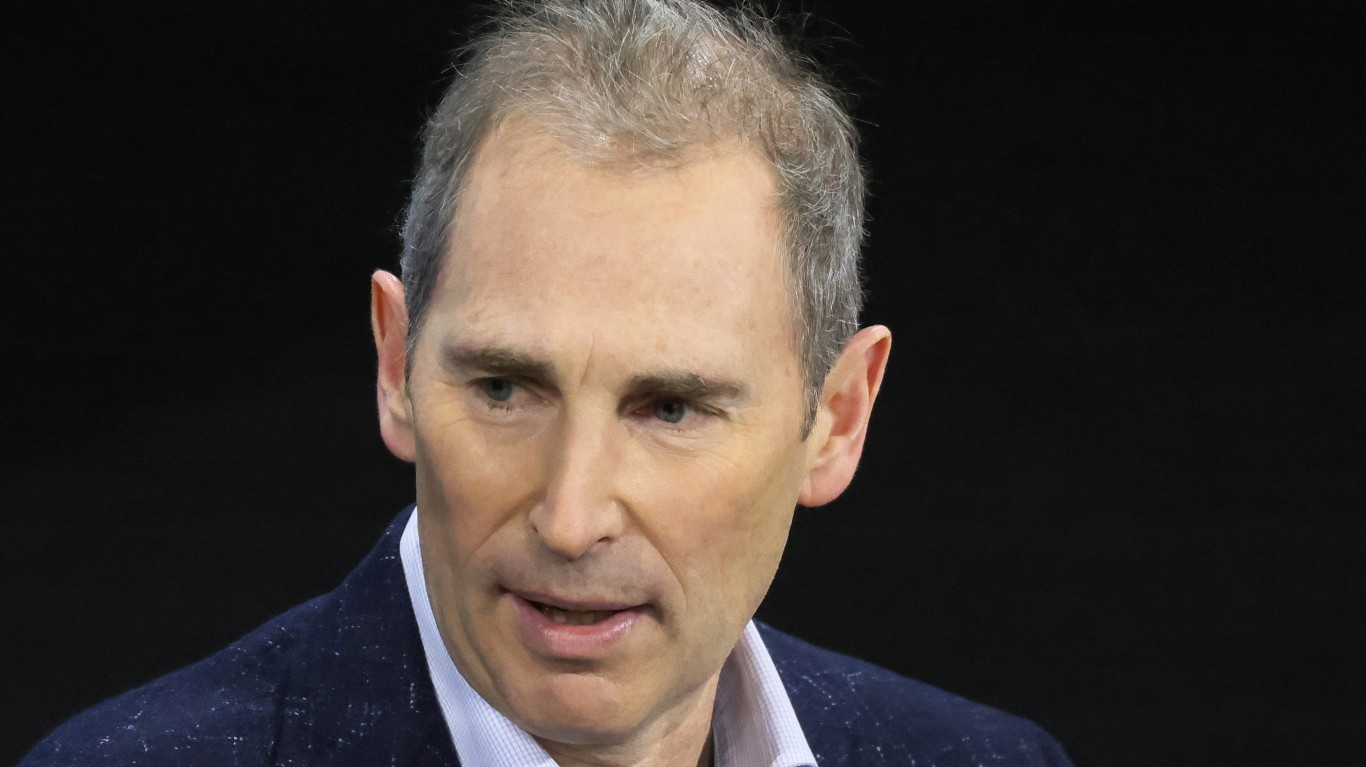
E-commerce and cloud giant Amazon has a $2.37 trillion market cap at the time of this writing, so it needs a 69% boost if it’s to hit a $4 trillion valuation. Currently, the Street-high AMZN price target of $305 per share entails a 37% gain, which isn’t quite enough to get the job done anytime soon. Tigress Financial’s Ivan Feinseth stands out as the most notable bull on Wall Street. He’s bullish on e-commerce, AWS (Amazon Web Services), and digital ads. That said, I wouldn’t underestimate the potential of an AI business, which, I believe, fits very nicely alongside the so-called “triple threat” of growth drivers over at Amazon.
Of course, Amazon’s presence in applied AI may not be as well-known, at least compared to other AI innovators on Wall Street. Some folks may think the e-commerce titan is behind in AI, at least compared to the likes of Microsoft. This couldn’t be further from the truth, at least in my opinion, especially when it comes to AWS’s AI business, its AI coding tools (Amazon Q Developer and Kiro), and the profoundly impressive automation going on across Amazon’s warehouses.
Recently, Amazon unveiled Kiro, a Claude-powered agent for coding, which will augment developers today and potentially replace them in the future. It’s a profound technology that could do to the office what its robots are doing to the warehouses. Add the consumer AI potential with Alexa updates into the equation, and it’s fair to say that Amazon has underappreciated AI upside, especially relative to its faster-moving peers in the Mag Seven.

Meta Platforms
Meta Platforms has a $1.77 trillion market cap, so it’ll need to surge 126% to join the $4 trillion club. Indeed, it seems like Amazon has Meta beat because it’s closer to the summit. However, Meta stock has been absolutely unstoppable in recent years, gaining 126% in two years and more than 190% in the last five years. And that’s with the nasty crash suffered back in 2021 and 2022.
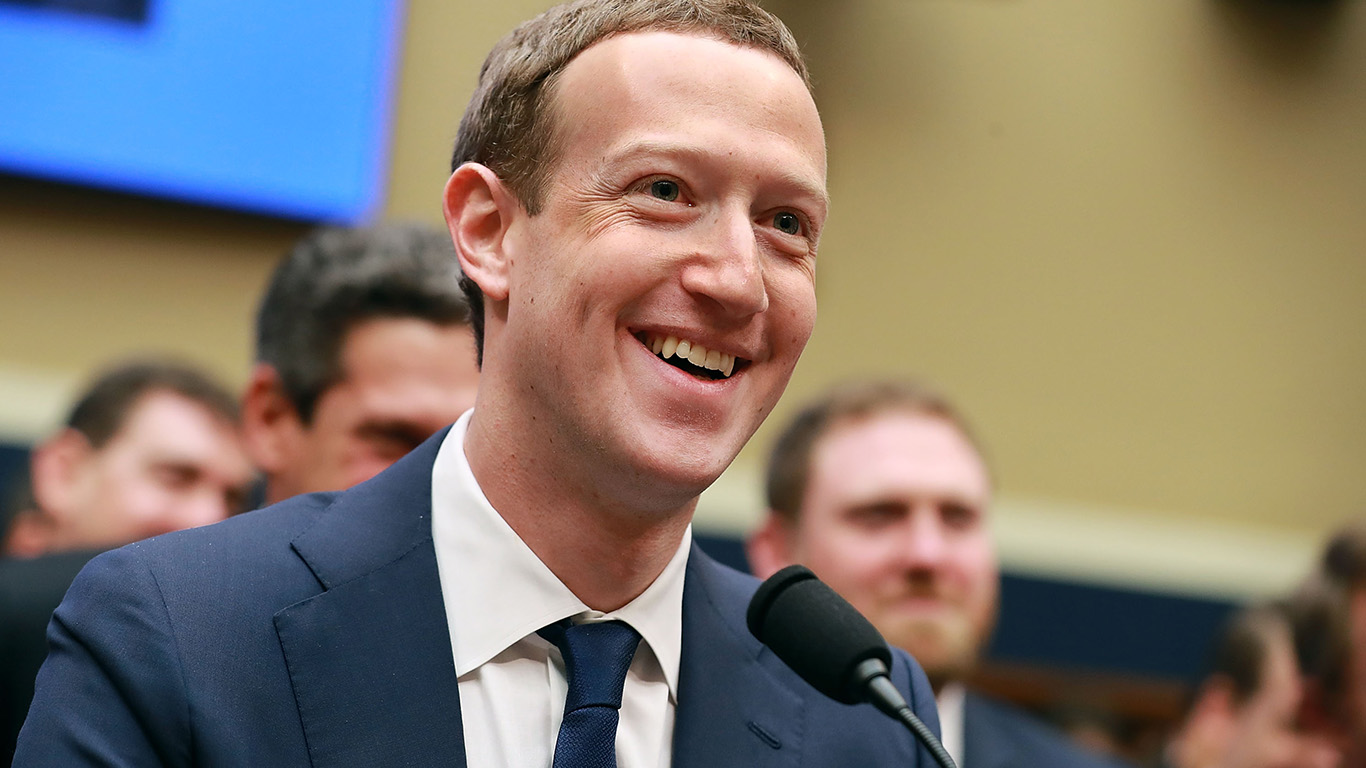
On AI, Meta has not only been the most aggressive, but it’s raised the bar on AI spending. And its rivals may need to take a page out of its playbook if they’re to keep up with the social-media titan. CEO Mark Zuckerberg said it himself, his firm will do “whatever it takes” to win in AI.
And thus far, it looks like they’re doing a great job of improving their chances of pulling to the very front of the pack, with recent “wins” in the AI war for talent. In recent weeks, headlines swirled around how Meta has been bringing on AI talent from across the industry with shockingly high pay packages. Indeed, it’s a good time to be an AI researcher with massive, even obscene bonuses being rewarded nowadays.
As Zuckerberg walks the walk after talking the talk, I do think 27.4 times trailing price-to-earnings (P/E) is too low a price to pay for his stock. You’re getting a founder-led company that’s willing to keep its foot on the pedal until it “wins” the AI race.
My guess is Zuck and company will continue to keep “flooring it” well after they’ve pulled ahead to increase their lead. Given Meta’s on the offensive on AI, I think it’ll beat Amazon to $4 trillion despite having much more ground to close.











 Top Gaining Stocks
 Top Losing Stocks