


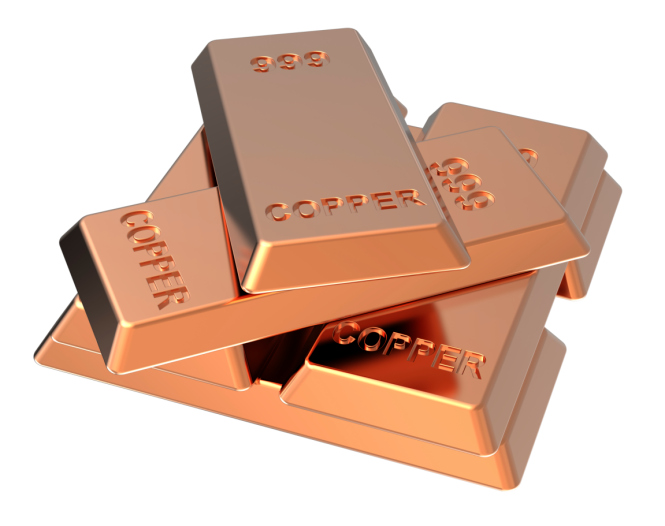
Copper Tarnished as the New Gold
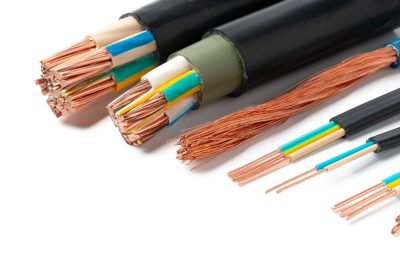
In a stunning reversal, President Trump scaled back his proposed 50% tariff on copper imports announced on July 8. He instead limited it to semi-finished copper products like pipes and wires, while excluding raw copper forms such as cathodes and concentrates.
Initially, the broad tariff threat sparked a near-20% surge in copper prices, the largest one-day gain since 1989, as markets anticipated a boost for U.S. miners. However, the narrowed scope, effective tomorrow, sent U.S. copper prices plummeting by up to 18% in after-hours trading, with miners Freeport-McMoRan (NYSE:FCX | FCX Price Prediction), Southern Copper (NYSE:SCCO), and Taseko Mines (NYSE:TGB) suffering significant stock declines. All three stocks are recovering slightly in morning trading.
The decision aids manufacturers, but leaves domestic miners exposed to cheaper imports, raising questions about their investment appeal. Are these stocks, now trading at discounted prices, still worth buying?
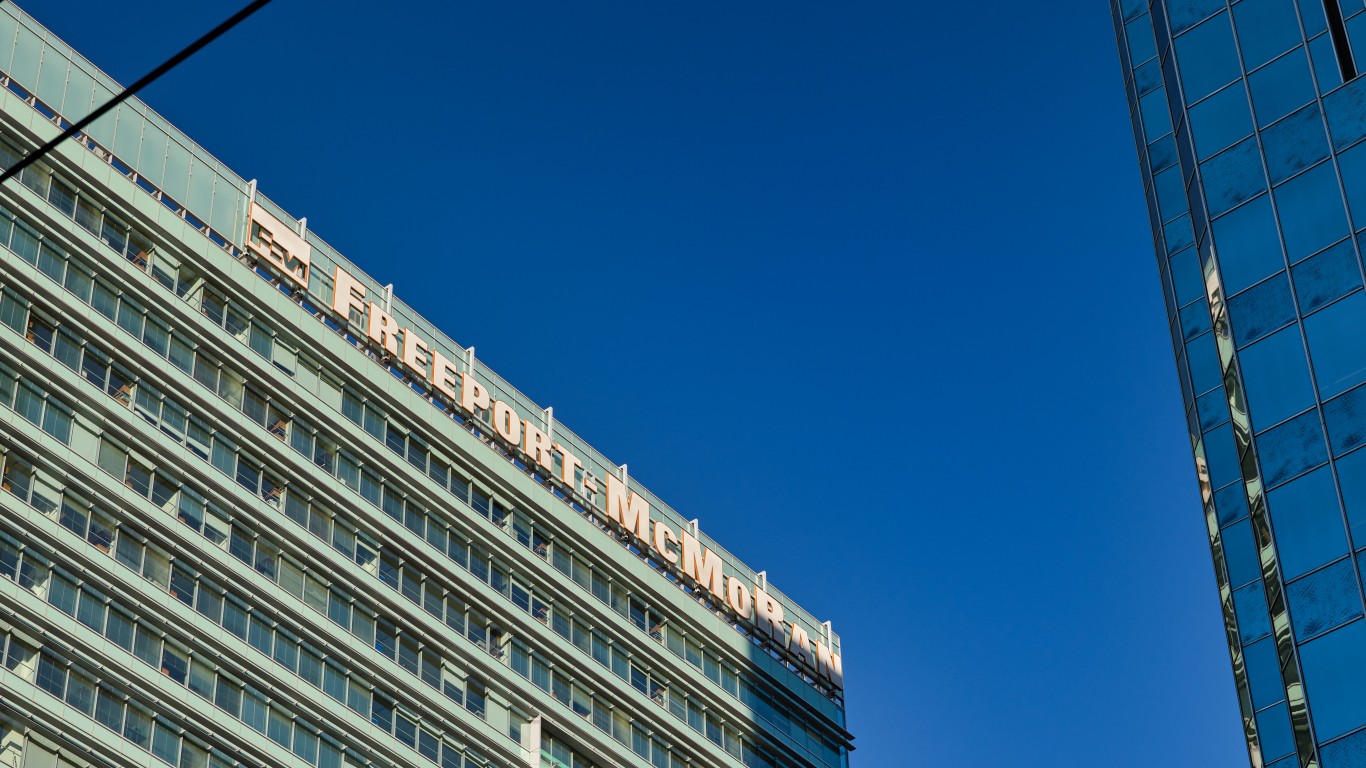
Freeport-McMoRan (FCX)
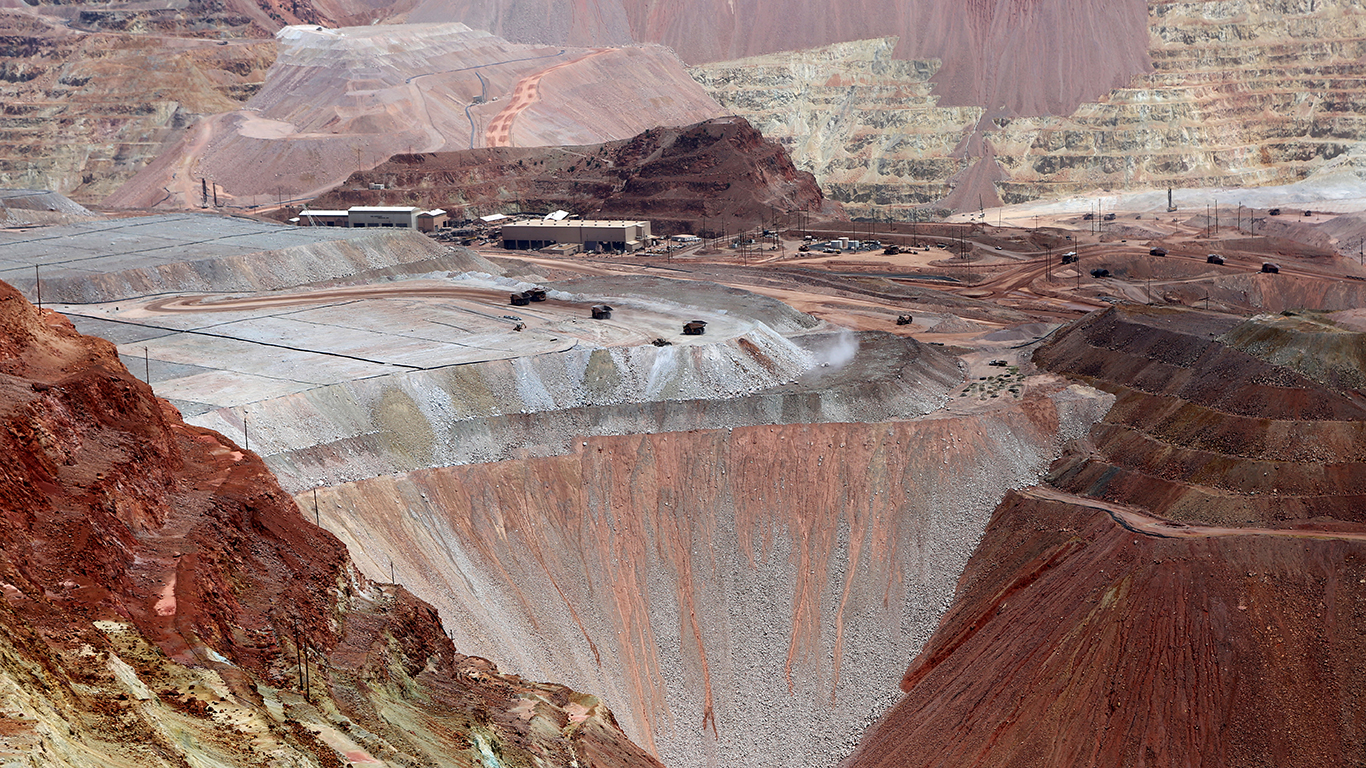
As the largest U.S. copper producer, Freeport-McMoRan was poised to gain significantly from a broad tariff, with analysts estimating a $1.6 billion annual profit boost. The company’s U.S. mines, including Morenci in Arizona, account for 60% of domestic output, and its vertically integrated operations provide cost advantages.
fcx
Despite the tariff rollback, FCX’s stock, down roughly 10% post-announcement, may present a buying opportunity. Its operational efficiency, with net unit cash costs at $1.13 per pound, and a robust balance sheet with $4.5 billion in cash, position it well for long-term growth. FCX’s focus on U.S. infrastructure, like data centers, aligns with rising copper demand.
However, risks include global competition and smelting bottlenecks. At a discounted price near $40, FCX remains a buy for investors betting on copper’s strategic role in electrification and AI, provided they tolerate volatility.
Southern Copper (SCCO)
Southern Copper, with 40% of its sales tied to COMEX pricing, initially stood to benefit from tariff-driven price spikes. However, its significant operations in Peru and Mexico exposed it to jurisdictional risks and potential retaliatory tariffs from Chile or Peru.
The stock fell over 6% after the tariff adjustment, reflecting concerns about profitability in a two-tier market where U.S. prices may lag global benchmarks. SCCO’s valuation, with a P/E ratio of 20x, is somewhat below its five-year average of 23.5x, suggesting it’s somewhat undervalued.
Its diversified production and strong balance sheet are strengths, but political risks in Peru temper enthusiasm. While the International Energy Association suggests a supply shortage by 2030, it is predicated on increased clean energy technologies like electric vehicles, wind turbines, and solar panels, which is no longer as certain as it once was. Even so, consultants at CRU told Reuters it expects copper demand from data centres to rise sharply in the immediate future, helping the stocks to recover.
At current prices, though, SCCO is a cautious buy for those seeking exposure to copper’s long-term demand but wary of near-term headwinds. A pair trade — going long on FCX and short on SCCO — could hedge risks.
Taseko Mines (TGB)
Taseko, a smaller player, saw its stock plunge by double digits, reflecting its higher risk profile. Its U.S.-focused Florence Copper project in Arizona, nearing production, uses low-cost, eco-friendly in-situ recovery, positioning TGB to capitalize on domestic demand.
The tariff rollback undermines this advantage, as cheaper imports could pressure prices. TGB’s smaller market cap offers growth potential but amplifies its volatility. Analysts see upside if U.S. production ramps up, but potential additional permitting delays and global oversupply risks loom.
At its discounted price, TGB is a speculative buy for risk-tolerant investors who believe in its Florence project and copper’s long-term bull case. Conservative investors may prefer larger peers like FCX for stability.
Key Takeaway
President Trump’s decision to limit the 50% copper tariff to semi-finished products, excluding raw copper, reversed the market’s earlier euphoria. Initially, the broad tariff announcement drove copper prices to their largest gain in nearly four decades years, boosting miners’ prospects.
However, the narrowed scope triggered an 18% price drop in the metal and double-digit declines in copper mining stocks. While manufacturers benefit from cheaper raw copper imports, U.S. miners face heightened competition, meaning investors will need to reassess whether these discounted stocks offer value amid copper’s long-term demand growth. Sticking with the biggest, best miners might be the best bet.





 Top Gaining Stocks
 Top Losing Stocks