


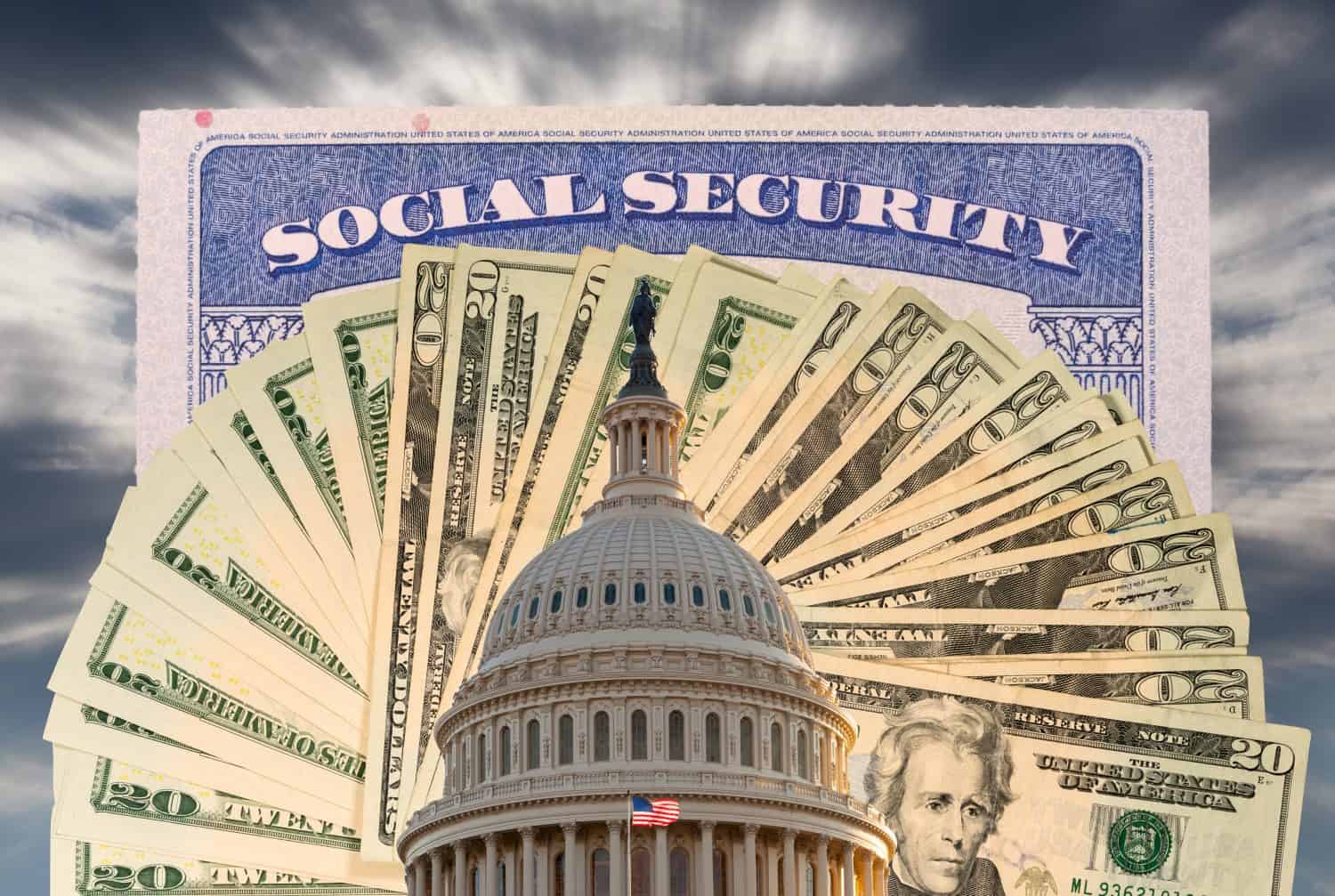
On Wednesday, July 30, 2025, the U.S. Central Bank announced that it was keeping interest rates steady. The Federal Reserve did not cut rates despite intense pressure from President Trump to lower the cost of borrowing in an effort to spur more economic growth.
There was some conflict among Fed officials regarding whether rates should be lowered or not, with two members of the Board of Federal Reserve voting to cut rates. Conflicting economic projections may have driven this unprecedented split with the majority. Fed officials are more likely to raise rates when the economy is faltering, but it’s unclear if that is happening. While the latest figures showed 3% economic growth from the April to June period, the rebound may have been driven by a substantial reduction in imports resulting from new tariffs, and underneath the good numbers, the economy may actually be losing momentum.
Plus, while slower growth may point to a need for a cut, the fact also remains that the 2.7% inflation reported in June is higher than the Federal Reserve’s target, and the Fed has kept rates elevated while hoping to bring inflation back under control.
Regardless of all these issues, though, the fact remains that the Fed did hold rates steady, so Social Security retirees should consider what this means for their retirement benefits in 2026.
What does the Federal Reserve’s decision mean for Social Security?
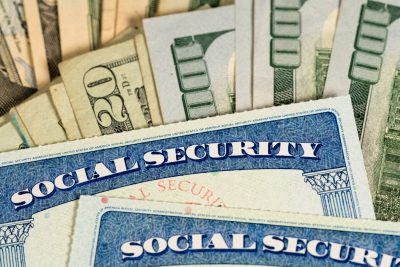
Social Security retirees are likely paying heightened attention to economic news at the moment because the time is drawing nearer for when the Social Security Cost of Living Adjustment (COLA) will be announced for 2026. The COLA is the periodic raise seniors get most years, and it is officially announced in October, but experts have been making projections for months about what the COLA is likely to be going into next year.
Now, the Federal Reserve does not control what the 2026 COLA is, and the Fed’s decision on interest rates has no direct impact at all on the size of the Social Security raise. However, it does provide some clues into the state of the economy, which will affect whether retirees see a benefits bump and how big that benefits bump will be.
Essentially, since the Fed did not raise interest rates, this suggests an ongoing concern that inflation is not cooling quickly. If inflation rates remain high in the coming months, this will mean a larger raise for retirees.
How inflation affects Cost of Living Adjustments
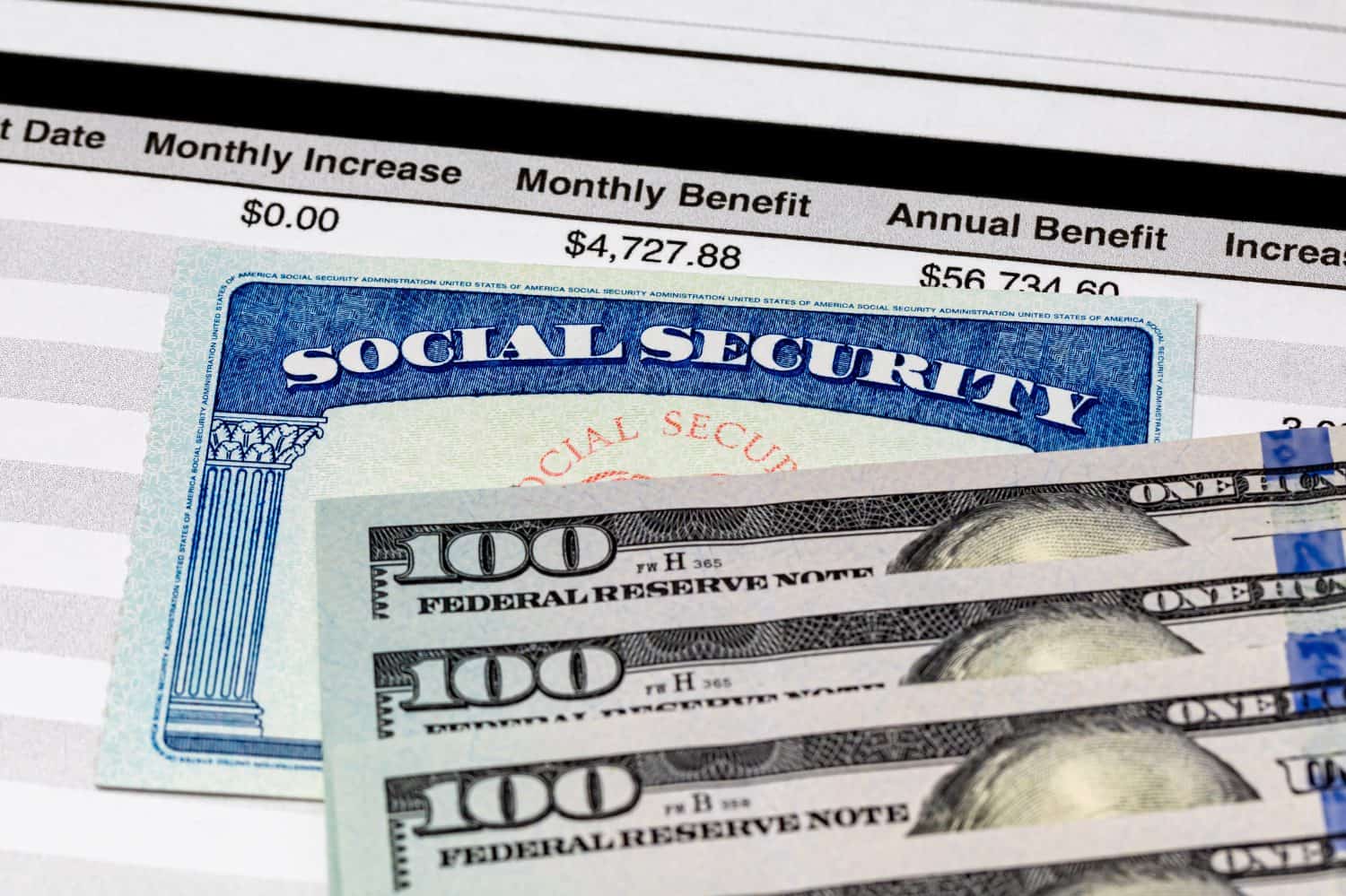
The Fed’s clues on inflation matter a lot to retirees because inflation directly affects the size of the COLA. In fact, the entire purpose of the Cost of Living Adjustment is to help ensure that the buying power of retirees keeps pace with rising prices. To that end, the COLA is calculated based on changes to the Consumer Price Index for Urban Wage Earners and Clerical Workers (CPI-W).
When CPI-W shows that prices are up year-over-year, retirees will get a raise equivalent to the change. Specifically, the third quarter CPI-W data is used to determine what the COLA amount will be. The next three months will be the critical ones, and with the Fed holding rates steady and suggesting that inflation may be a continued worry, all signs point to the fact that inflation isn’t going to cool dramatically during this crucial period for seniors.
Currently, experts are projecting a COLA of around 2.6% or 2.7%. Since this is in line with current inflation data and the Fed’s decision not to cut rates suggests this number won’t change dramatically any time soon, it’s a pretty safe bet that seniors will see their raise somewhere in this range next year. Retirees can’t count on this until October, of course, but it’s more likely than not that this 2.6% to 2.7% raise will end up being the magic number.










 Top Gaining Stocks
 Top Losing Stocks