


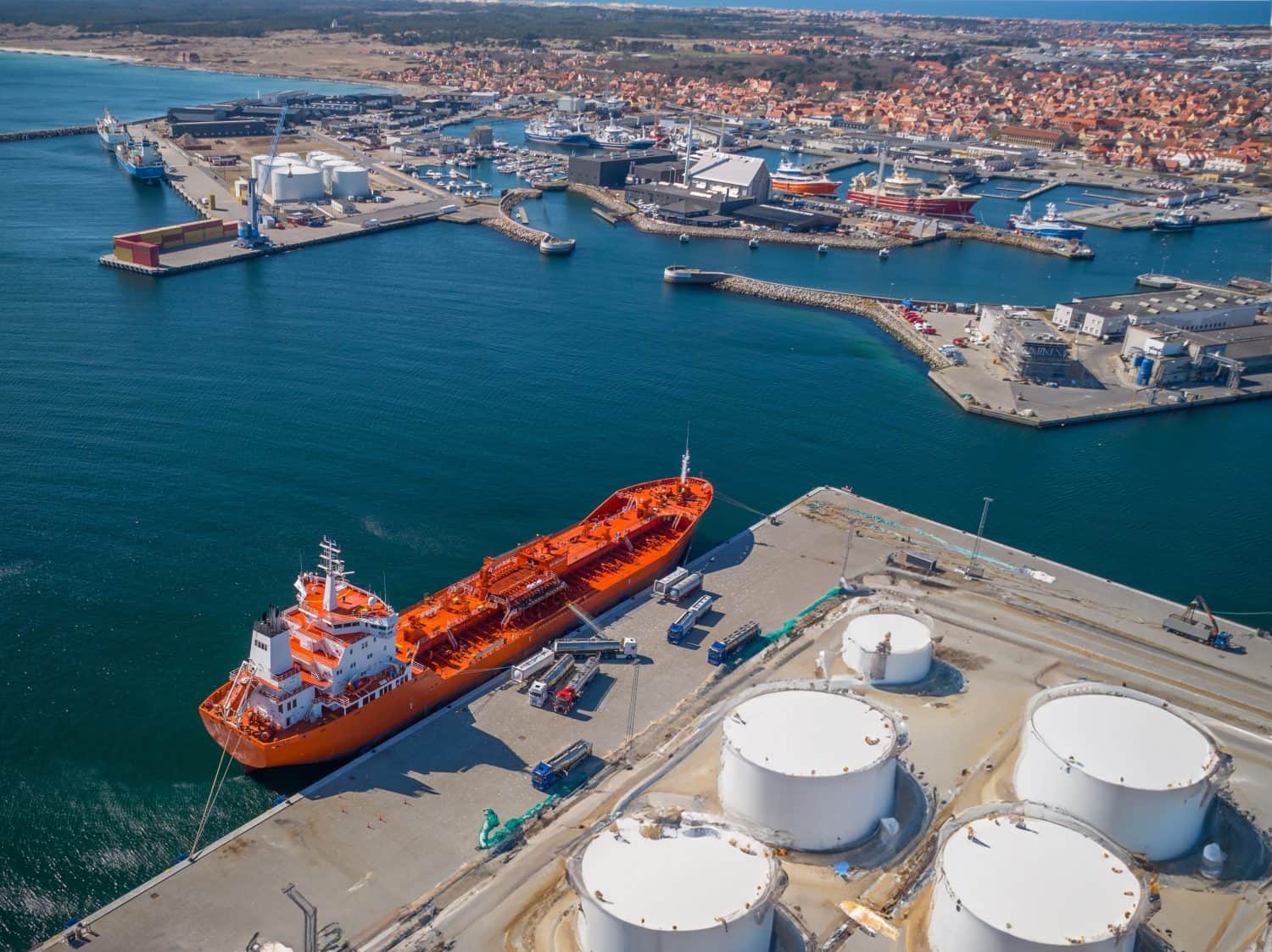
Most dividend investors seek solid passive income streams from quality dividend stocks. Passive income is a steady stream of unearned income that does not require active traditional work. Shared ideas for earning passive income include investments such as dividend stocks, bonds, and mutual funds, as well as real estate and additional income-producing side hustles. While the electric vehicle future remains just that, people still need to buy gasoline and other products from the big energy companies. Prices have been highly volatile this year due to the instability in the Middle East, not least of which is the ongoing potential for an all-out war with Iran. What makes sense for investors now is to stay with the large-cap leaders that pay big and dependable dividends.
OPEC+ has decided to increase its production to 548,000 barrels per day in August. This means that since April, OPEC+ has cumulatively added approximately 1.92 million barrels per day (bpd), and the August jump brings them close to implementing the full 2.2 million bpd of cuts planned through September 2026. OPEC+ members, led by Saudi Arabia, are attempting to regain market share amid slowing U.S. shale growth and pushing back against criticism from U.S. officials regarding fuel prices. Despite the added supply, strong global demand has kept inventories stable.
While now is certainly not the time to go all in on energy, adding some of the industry giants does make sense at current levels, as they all pay substantial and dependable dividends that are regularly increased. Four top large-cap sector leaders worldwide are rated Buy by leading Wall Street firms and appear to be a solid investment for growth and income investors. Just remember, we are always one major geopolitical event away from $100-per-barrel prices.
Why do we cover large-cap energy dividend stocks?
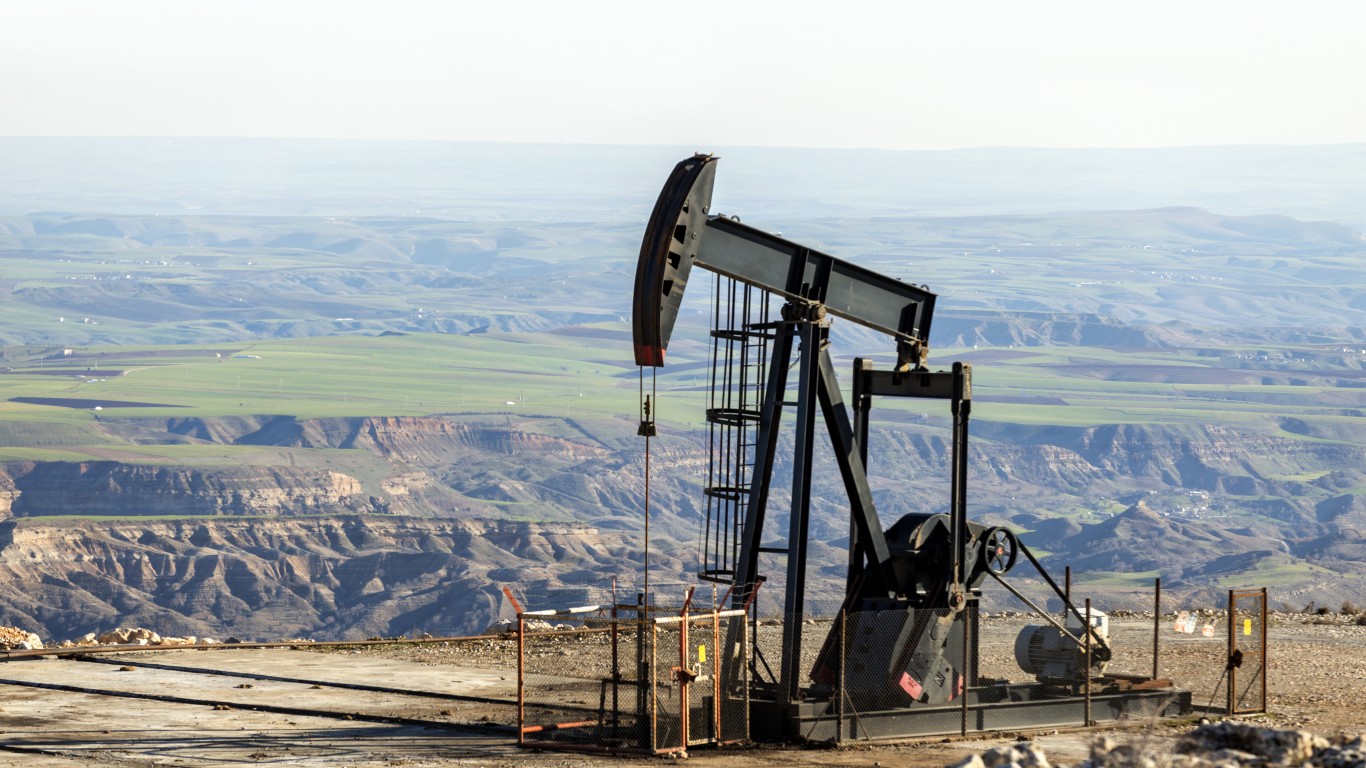
Energy dividend stocks offer investors a reliable source of passive income. Passive income is characterized by its ability to generate revenue without requiring the earner’s continuous active effort, making it a desirable financial strategy for those seeking to diversify their income streams or achieve financial independence.
BP
BP PLC (NYSE: BP | BP Price Prediction) is one of the oil and gas “supermajors” and one of the world’s largest companies, as measured by revenues and profit. BP engages in the energy business worldwide.
It operates through four segments:
- Gas & Low Carbon Energy
- Oil Production & Operations
- Customers & Products
- Rosneft
BP produces and trades natural gas, offers biofuels, operates onshore and offshore wind and solar power generating facilities, and provides decarbonization solutions and services, such as hydrogen and carbon capture, usage, and storage.
The company is also involved in the convenience and mobility business, which manages the sale of fuels to:
- Wholesale and retail customers
- Convenience products
- Aviation fuels
- Castrol lubricants
- Refining, Supply, and trading of oil products
- Operation of electric vehicle charging facilities
In addition, it produces and refines oil and gas, and invests in upstream, downstream, and alternative energy companies, as well as advanced mobility, bio, and low-carbon products, carbon management, digital transformation, and power and storage areas.
Raymond James has an Outperform rating with a $35 price target.
Chevron
Chevron Corp. (NYSE: CVX) is an American multinational energy company that is predominantly specialized in oil and gas. This integrated giant is a safer option for investors looking to position themselves in the energy sector and pays a substantial dividend, which was recently raised by 5%. Chevron operates integrated energy and chemicals businesses worldwide in two segments.
The Upstream segment is involved in the following:
- Exploration, development, production, and transportation of crude oil and natural gas
- Processing, liquefaction, transportation, and regasification associated with liquefied natural gas
- Transportation of crude oil through pipelines, and transportation, storage
- Marketing of natural gas, as well as operating a gas-to-liquids plant
The Downstream segment engages in:
- Refining crude oil into petroleum products
- Marketing crude oil, refined products, and lubricants
- Manufacturing and marketing renewable fuels
- Transporting crude oil and refined products by pipeline, marine vessel, motor equipment, and rail car
- Manufacturing and marketing of commodity petrochemicals, plastics for industrial uses, and fuel and lubricant additives
It also involves cash management, debt financing, insurance operations, real estate, and technology businesses.
Chevron announced in late 2023 that it has entered into a definitive agreement with Hess Corp. (NYSE: HES) to acquire all of the outstanding shares of Hess in an all-stock transaction valued at $53 billion, or $171 per share based on Chevron’s closing price on October 20, 2023. Under the terms of the agreement, Hess shareholders will receive 1.0250 shares of Chevron for each Hess share. The transaction’s total enterprise value, including debt, is $60 billion. The Federal Trade Commission approved the deal in October, and it is expected to close soon.
Mizuho has a price target at $186.
Exxon Mobil
Exxon Mobil Corp. (NYSE: XOM) manages an industry-leading portfolio of resources and is one of the world’s largest integrated fuels, lubricants, and chemical companies. With consistent oil benchmark pricing near and above the $70 level, this presents investors with an excellent entry point into this energy behemoth. Exxon is the world’s largest international integrated oil and gas company, exploring for and producing crude oil and natural gas in:
- United States
- Canada
- South America
- Europe
- Africa
- Asia
- Australia/Oceania
Exxon also manufactures and markets commodity petrochemicals, including olefins, aromatics, polyethylene, and polypropylene plastics, as well as specialty products. Additionally, the company transports and sells crude oil, natural gas, and petroleum products.
Top Wall Street analysts expect Exxon to remain a key beneficiary in a stable oil price environment. Most remain optimistic about the company’s sharp positive inflection in its capital allocation strategy, upstream portfolio, and leverage, which will further drive demand recovery. ExxonMobil also offers greater Downstream/Chemicals exposure than its peers.
The company completed its purchase of oil shale giant Pioneer Natural Resources in May 2024 in an all-stock transaction valued at $59.5 billion. The deal created the largest U.S. oilfield producer and guaranteed a decade of low-cost production.
Piper Sandler has an Overweight rating with a $134 target price.
Shell
Shell PLC (NYSE: SHEL) British multinational oil and gas company headquartered in London, England. This foreign energy giant offers investors big upside potential. Shell operates as an energy and petrochemical company in Europe, Asia, Oceania, Africa, the United States, and the Rest of the Americas.
The company operates through six segments:
- Integrated Gas
- Upstream
- Marketing
- Chemicals and Products
- Renewables
- Energy Solutions
It explores for and extracts crude oil, natural gas, and natural gas liquids; markets and transports oil and gas; produces gas-to-liquids fuels and other products; and operates upstream and midstream infrastructure to deliver gas to market.
The company also markets and trades natural gas, liquefied natural gas (LNG), crude oil, electricity, and carbon-emission rights, and markets and sells LNG as a fuel for heavy-duty vehicles.
In addition, it trades in and refines crude oil and other feedstocks, such as:
- Low-carbon fuels
- Lubricants
- Bitumen
- Sulphur
- Gasoline
- Diesel
- Aviation and marine fuel
- Produces and sells petrochemicals for industrial use
- Manages oil sands activities
Furthermore, the company produces base chemicals, including ethylene, propylene, aromatics, and intermediate chemicals, such as styrene monomer, propylene oxide, solvents, detergent alcohols, ethylene oxide, and ethylene glycol.
Shell also generates electricity through wind and solar resources, produces and sells hydrogen, and provides electric vehicle charging services.
Piper Sandler also has an Overweight rating on this stock with an $83 target price.
I’m Buying Four Incredible Beaten-Down Dividend Aristocrats Hand-Over-Fist










 Top Gaining Stocks
 Top Losing Stocks