



Every year, billions of dollars in unclaimed tax refunds remain in the hands of the IRS, waiting for taxpayers to claim them. These refunds often go uncollected because people fail to file returns, make errors in their filings, or have never receive checks due to outdated addresses. In 2025 alone, more than $1 billion tied to 2021 tax year returns is still available, affecting over 1.1 million Americans.
There are many factors that lead to unclaimed refunds. Some Americans believe they don’t need to file taxes because their income falls below the filing threshold, while others simply overlook refundable credits like the Earned Income Tax Credit or the Child Tax Credit. Clerical oversights, such as employees entering the wrong bank details, can also stall refunds. Whatever the cause, taxpayers have just three years from the original filing deadline to claim what they’re owed before the funds are permanently transferred to the U.S. Treasury.
This slideshow covers the tools provided by the IRS to help individuals track down their unclaimed money. Learn about the “Where’s My Refund?” portal, as well as how to amend returns and find change of address forms. We even detail how heirs can recover funds owed to deceased family members. Learn the rules, deadlines, and steps involved to prevent missed opportunities and ensure your money doesn’t disappear into the hands of the government forever.
Billions in Refunds Go Unclaimed
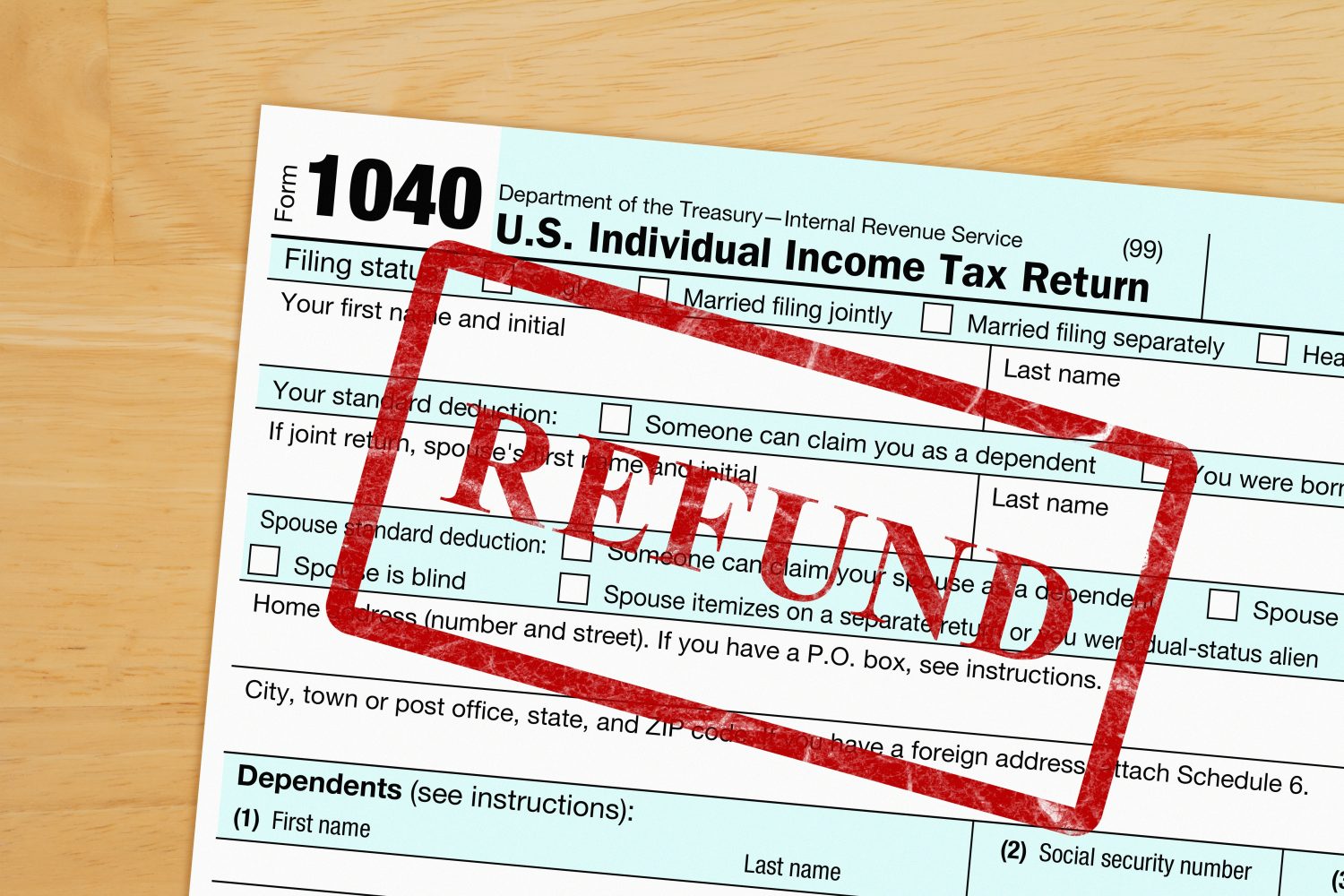
- The IRS reports that over $1 billion in tax refunds from the 2021 tax year remain unclaimed in 2025.
- More than 1.1 million people are affected by these unclaimed funds.
- Many taxpayers miss out simply because they fail to file their returns or claim refundable credits.
Why Refunds Go Unclaimed
- Refunds can be missed when taxpayers earn below the filing threshold and choose not to file.
- Others lose out by overlooking credits like the Earned Income Tax Credit or Child Tax Credit.
- Incorrect addresses or banking details can also cause refund checks to go undelivered.
The Three-Year Rule

- Taxpayers have three years from the original filing deadline to claim their refunds.
- For example, 2022 tax refunds must be claimed by April 15, 2026.
- After the deadline passes, the money becomes property of the U.S. Treasury.
IRA Tools to Check Refunds
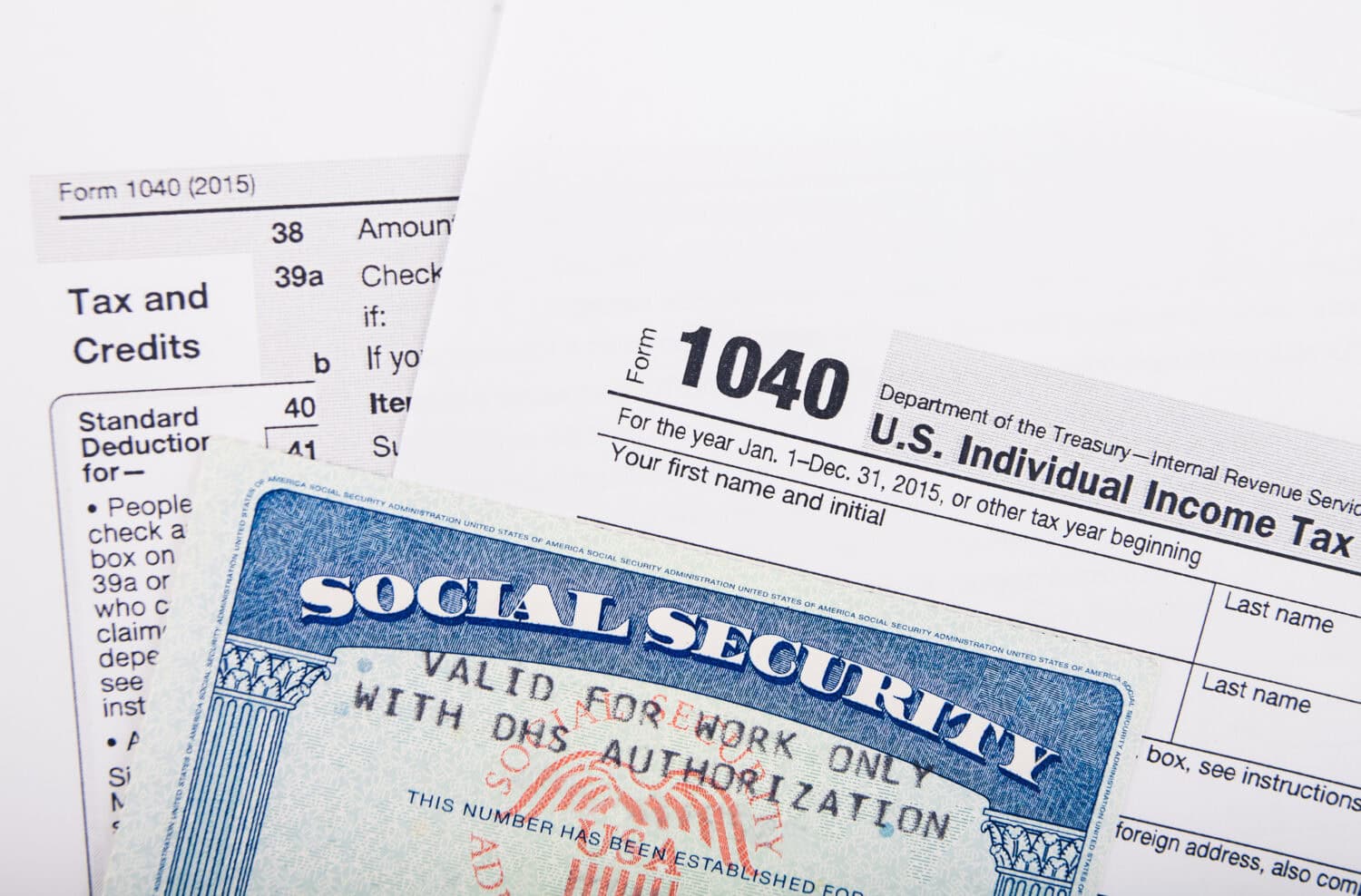
- The ‘Where’s My Refund?’ tool on IRS.gov helps you track refund status.
- You will need your Social Security Number , filing status , and exact refund amount.
- This tool works for the current tax year and the two prior years.
Review Past Returns
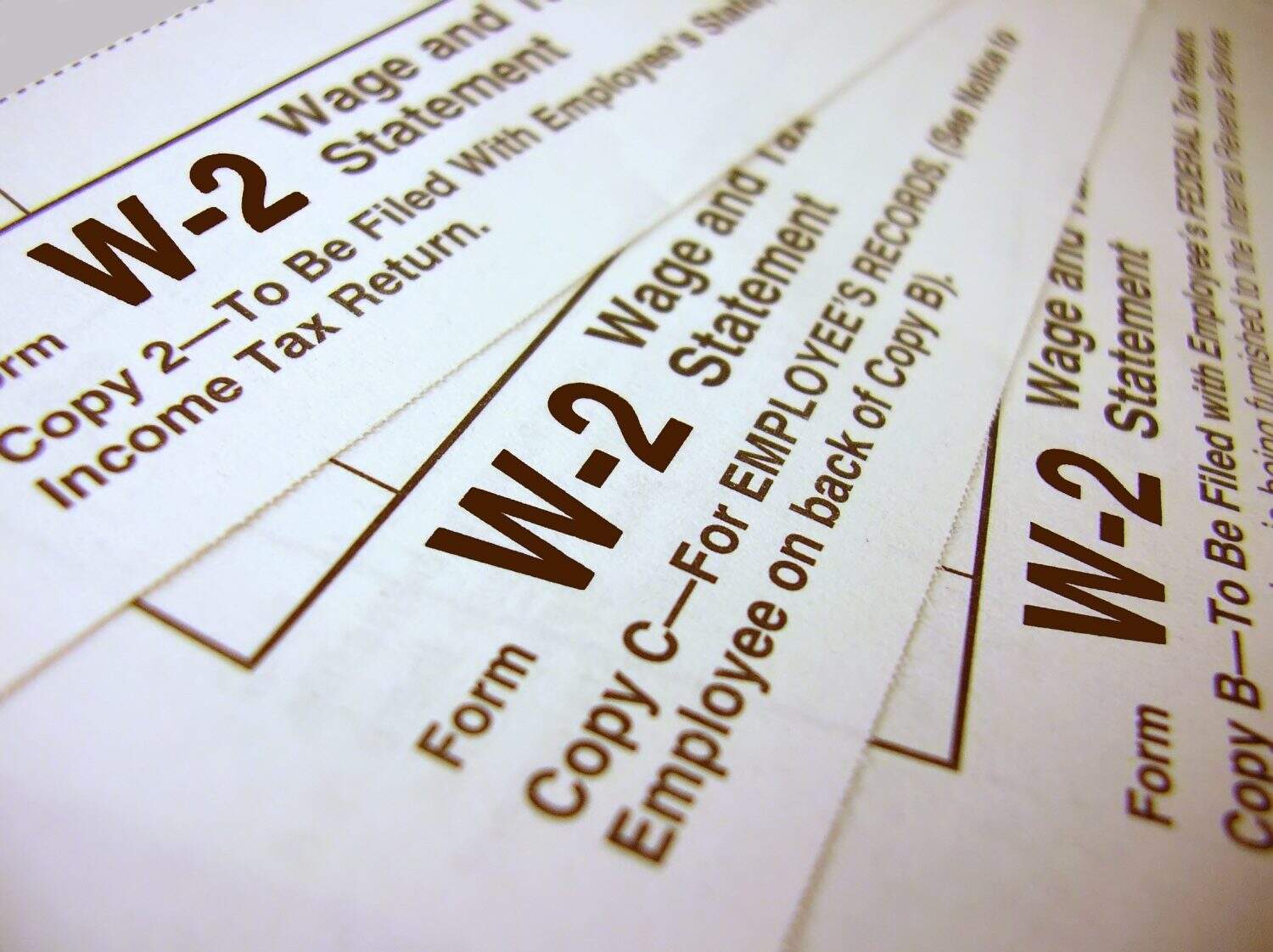
- Check W-2s, 1099s, or pay stubs to see if taxes were withheld.
- Even those with incomes below the filing threshold may be eligible for refunds .
- Filing retroactively can recover money owed for missed years .
Amending Tax Returns

- Use Form 1040-X to correct errors that reduced your refund.
- You must file within three years of the original due date or two years from paying tax.
- Include supporting documents and explanations for changes .
Handling Undelivered Checks
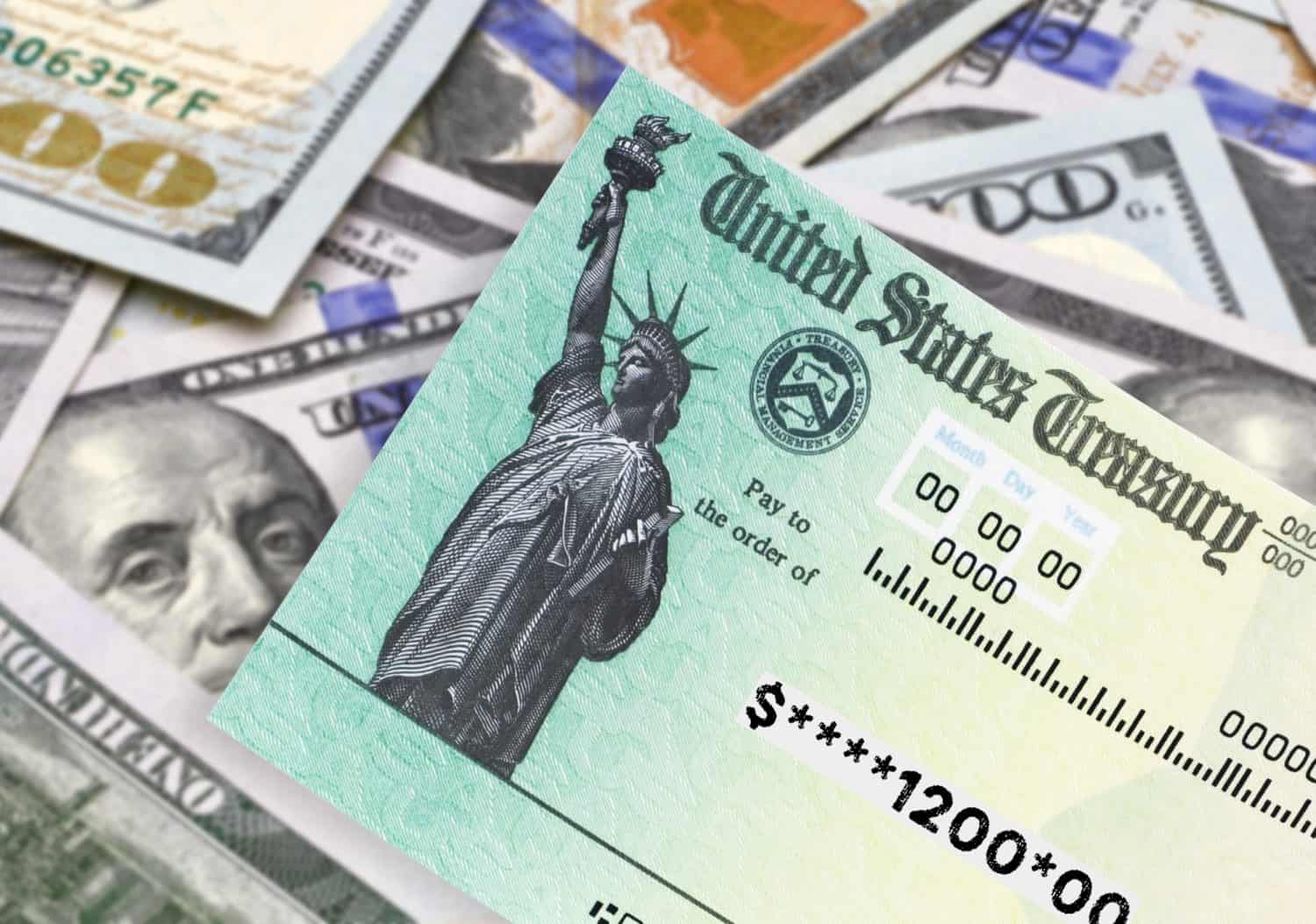
- Refund checks can be returned due to incorrect addresses.
- File Form 8822 to update your address and ensure delivery.
- For lost checks, the IRS can cancel and reissue them once verified.
Heirs Claiming Refunds

- Surviving spouses can claim refunds by filing jointly and noting the death.
- Executors or heirs must file Form 1310 to claim refunds for a deceased person.
- Refunds go to the estate unless you are the sole beneficiary.
Refunds for Estates

- Estates earning over just $600 must file Form 1041 for income taxes.
- Form 56 confirms your role as a fiduciary in managing the estate.
- Estate refunds are distributed according to the will or state law.
Avoid Missing Out

- Take action before the three-year deadline to claim your refund.
- Use IRS tools , file or amend returns , and update your personal details.
- Acting swiftly ensures you can keep money that belongs to you.












 Top Gaining Stocks
 Top Losing Stocks