



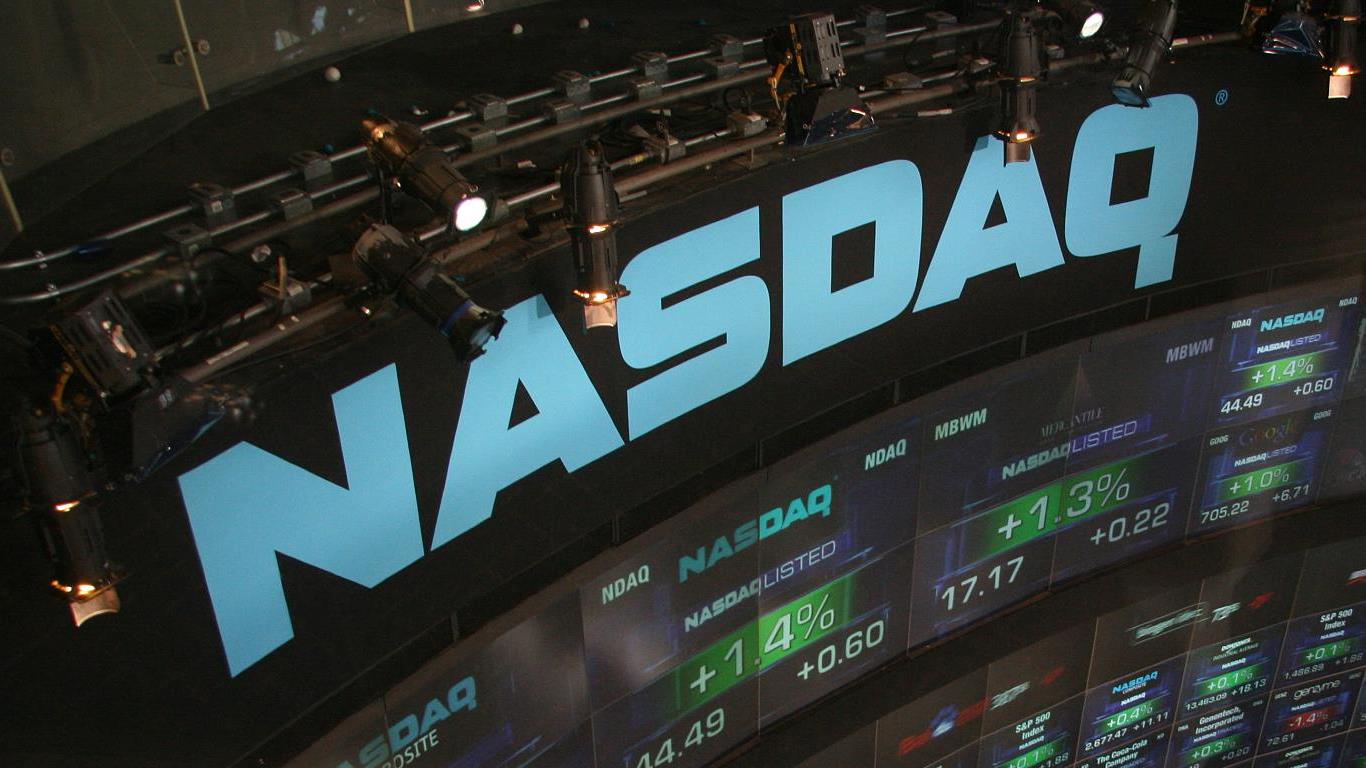
From March 2000 to October 2002, the Nasdaq dropped 76% to 1,139. It was called the dot-com crash. A similar reset today would take the market down by 16,000 points to 5,000. If it were to happen again, there would be one of a few triggers: a Great Recession-like economic collapse, a perception that stocks had become wildly overvalued, or hyperinflation.
The unusual thing about the dot-com crash was that the U.S. economy was healthy. Gross domestic product was $10.3 trillion in 2000 and almost $11 trillion in 2002. Macroeconomic factors are not what brought the market down.
Initial public offerings (IPOs) during the dot-com period could open at triple their initial valuation. Some of the largest did not stay in business more than a year. The most well-known were theGlobe.com, Webvan, eToys, and Infospace.
The price of stocks that are now megacaps dropped sharply as well. Microsoft Corp. (NASDAQ: MSFT | MSFT Price Prediction) declined from $59 in early 2000 to $29 in early 2002. Today, it trades at $505. Amazon.com Inc. (NASDAQ: AMZN) fell from $4 to $0.55 over the same period. It trades at $221 today. The fact of the matter is that neither company came near to a collapse during the period. In fact, their businesses were relatively healthy.
What happened during the dot-com crash is that many companies that had lost money since their founding continued to lose money until after their IPOs, and did so every day they stayed in business until they ran out of money. In hundreds of cases, money raised by IPOs was buried in less than a year.
This Year Is Different

This year has one important difference, however. A forward multiple of 28 signals that the stock market is rich. While this is rich, it is not. It might be 20% higher than the historic average.
Valuations based on artificial intelligence (AI) have driven up some major stocks. Microsoft is almost 40% higher than it was at the 2025 low. However, it has more than doubled since late 2022. Much of this is the expectation that AI will drive its revenue higher than ever before. AI stocks have already begun to reset. If the forecast for AI growth slows considerably, the stocks of companies like Microsoft could drop by half. Smaller companies that rely on AI for most of their revenue growth could drop more.
The final challenge to the Nasdaq is tariff-driven hyperinflation. If the Consumer Price Index (CPI) were to grow at the rate it did under President Carter, it would decimate the economy. The CPI was over 18% in the first quarter of 1980.
If the Nasdaq has a hard reset, it won’t be an accident.
Billionaire Larry Fink Says Financial Systems Are ‘Safe and Sound’—Is He Right?













 Top Gaining Stocks
 Top Losing Stocks