


We’ve heard a lot of “AI bubble” comments in the past couple of months as the broad stock markets continued to march higher, forcing some less bullish market strategists to increase their price targets on the S&P 500. While I believe it’s a good thing for the masses to be skeptical, I don’t think acting as though one knows what will happen next in the near term is a very good idea.
Are valuations getting a tad excessive? Perhaps. But we don’t know when and how the froth will be dealt with. A market crash and the bursting of the bubble could certainly happen.
However, a more benign scenario could also unfold, where the S&P 500 lags behind for a decade or more. Perhaps it’s best to simply acknowledge that the future is unknowable with AI and that it’s better to just stay invested. Indeed, we’ve had a stunning bull run, but it’s a hated one, as Fundstrat’s Tom Lee, one of the most bullish men on Wall Street in recent years, pointed out.
Indeed, the lingering doubt among some seems to be adding a bit of a stink to an otherwise magnificent rally.
Undoubtedly, retail investors worried about rising price-to-earnings (P/E) multiples, the growing concentration of the S&P 500 in just a handful of tech stocks, Sam Altman’s own AI bubble comments, the non-stop comparisons to the mania that fuelled the tech bubble, and other factors may lead some to believe that an AI bubble is brewing and will, at some point down the road, be popped.
Deutsche Bank sees “bubble risk” in U.S. stocks
With Deutsche Bank recently highlighting “bubble risk” in the S&P 500, while stock and bond markets start off September on a low note, perhaps taking profits on some of that Nvidia (NASDAQ:NVDA | NVDA Price Prediction) following a good, but not good enough quarter would prove shrewd.
While Deutsche Bank doesn’t necessarily see a bubble-burst scenario ahead, the team did acknowledge that the U.S. market does have a risk of a bubble and that investors are entering “uncharted territory.”
Indeed, it’s hard to recognize a bubble until after the fact. Either way, investors should weigh such risks and be prepared with stocks that can rise out of a bursting bubble as a select few did during the dot-com bust. Here are two names that I think could rise from the wreckage if, by some chance, an AI bubble grows and bursts at some point over the next three to five years.
Apple
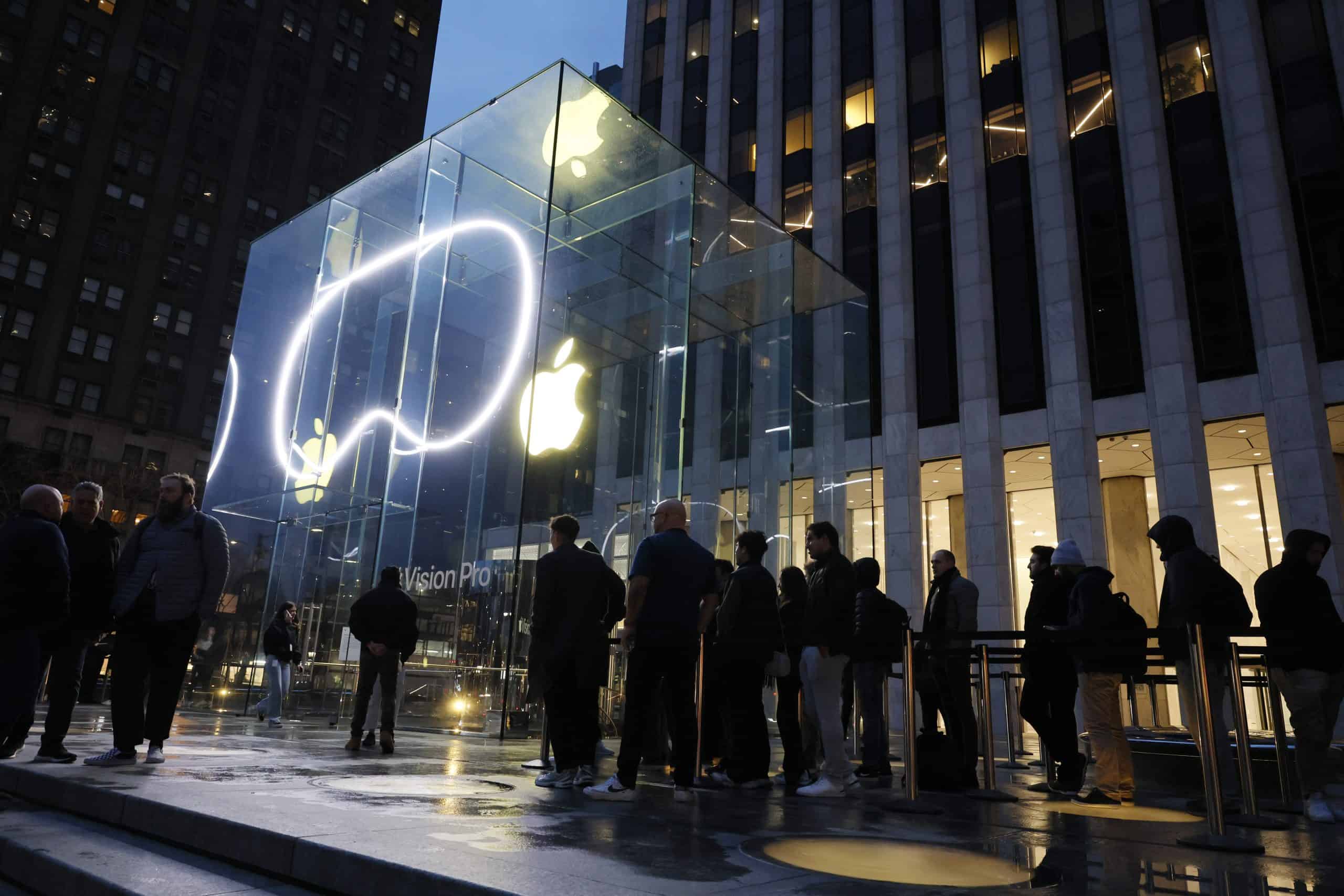
Apple (NASDAQ:AAPL) is an AI stock that doesn’t really have a lot of AI hype baked in, primarily because the Wall Street consensus is that the firm is “behind” in AI. As for the AI strategy, it’s tough to evaluate it since much of Apple’s innovative developments are covered by a shroud of secrecy. Mostly, it’s just rumors that many may be less inclined to trade.
Recently, a rumor broke that Apple has plans to build an AI search engine, perhaps similar to Perplexity’s offering. The rumor isn’t all too surprising, especially since Alphabet (NASDAQ:GOOG) has experienced success with adding AI to its search with AI Overviews and AI Mode. Even if there’s an AI bubble bursting, I don’t think Apple will be all too affected, at least compared to other AI winners.
The stock doesn’t have much AI priced in to begin with. Further, shares are still down 2% year to date, trailing the market by a wide margin. In any case, I think Apple could leverage AI as a force to break into new markets (like search). Add the recent departure of AI researchers into the equation (call it a brain drain at the hands of poaching, if you will), and I’m inclined to view Apple as disciplined when it comes to AI spend.
Meta Platforms
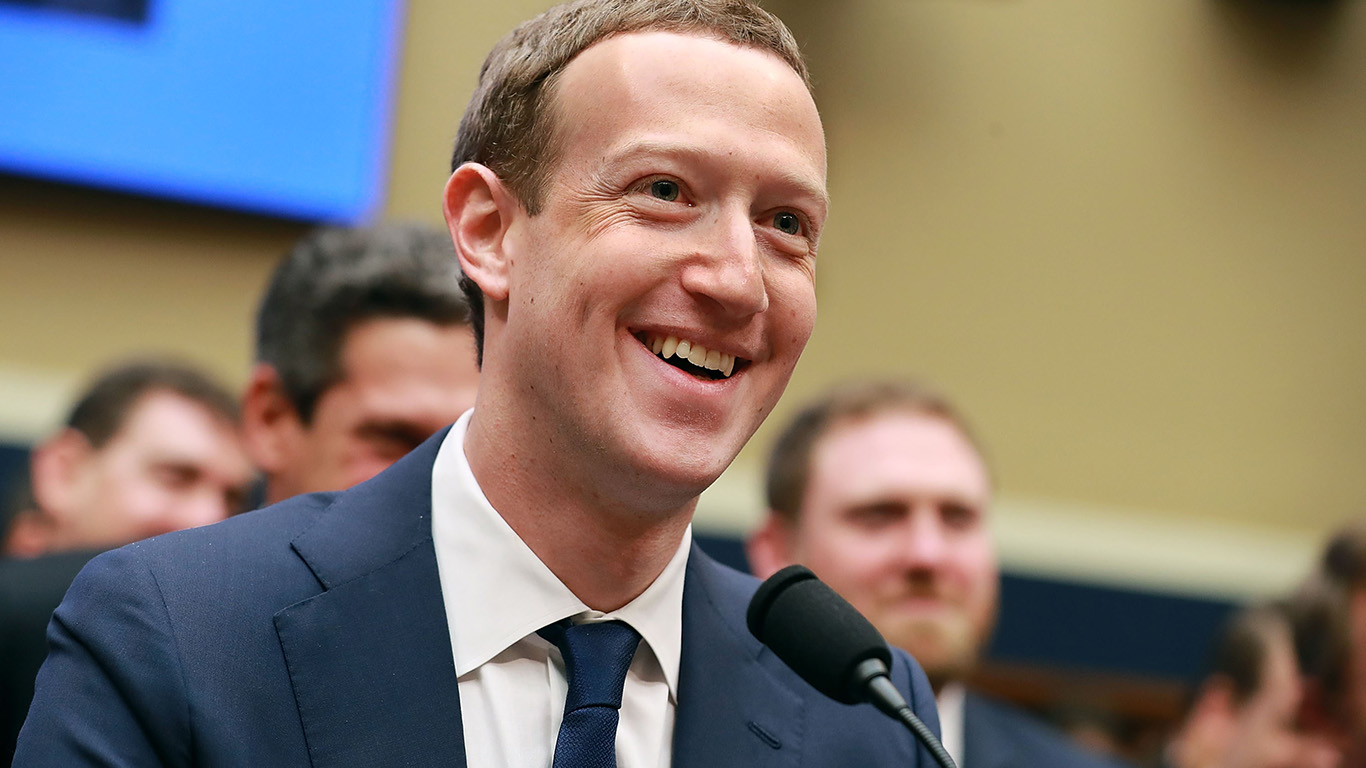
Meta Platforms (NASDAQ:META) is a name most would steer clear of if the AI bubble (if there is one) were to burst. The company’s aggression in attracting talent has been notable. Indeed, $200 million pay packages are quite obscene. And while it may be a sign of an AI bubble forming, I think Meta’s ability to backtrack makes it an agile, albeit aggressive player in the AI race.
Indeed, Meta recently pulled the brakes on its spending spree just a few weeks ago. And while it’s just “some basic organizational planning,” I do think that many are underestimating how quickly Meta can pull its foot off the accelerator if it thinks it’s going a bit too fast. Either way, Meta has been great at applying its AI, and I do trust Zuckerberg and company to keep on ear to returns so that they can adjust spending optimally over time.
Finally, the stock just looks cheap at 24.8 times forward price-to-earnings (P/E), which doesn’t spell bubble to me.








 Top Gaining Stocks
 Top Losing Stocks