



Beyond Meat (NASDAQ:BYND) has experienced a meteoric rise in its stock price over the past two days. After closing around $0.64 per share on Friday, BYND stock jumped to $1.53 per share by the end of Monday and was up to as much as $2.48 per share today, a 388% gain.
This spike has caught the attention of retail investors and meme stock enthusiasts, driving massive trading volume — over 476 million shares today alone and far exceeding the daily average of 37.7 million.
Key factors behind the surge include BYND’s addition to the Roundhill Meme Stock ETF (NYSEARCA:MEME), which targets volatile names popular among online traders. The plant-based meat company also announced an expanded partnership with Walmart (NYSE:WMT | WMT Price Prediction), rolling out a new Beyond Burger 6-pack and increasing product availability to over 2,000 stores. Bank of America also recently highlighted BYND on its list of Reddit meme stocks to watch, echoing a similar call from 2021 that preceded volatility.
Yet the biggest catalyst is a short squeeze: with high short interest, rising stock prices have forced sellers to buy back shares, amplifying the rally.
But are these enough for BYND to hold onto its gains, or will it crash again?
The Illusion of Short-Term Catalysts
While BYND’s stock can certainly skyrocket further in the near term — potentially doubling or tripling again amid frenzied meme stock trading — these drivers lack substance for long-term value. The risk of substantial losses escalates with each buy at higher prices, as the rally is built on speculation rather than business improvements.
Take the meme ETF addition: Roundhill’s MEME fund includes BYND alongside other high-volatility plays, but this is more about capitalizing on trader hype than signaling operational strength. It’s a passive inclusion based on social media buzz, not earnings growth.
Similarly, BAC’s watchlist nod revives old meme stock narratives from 2021, when BYND soared then plunged 47% by year-end. These endorsements fuel temporary momentum but evaporate quickly once attention shifts.
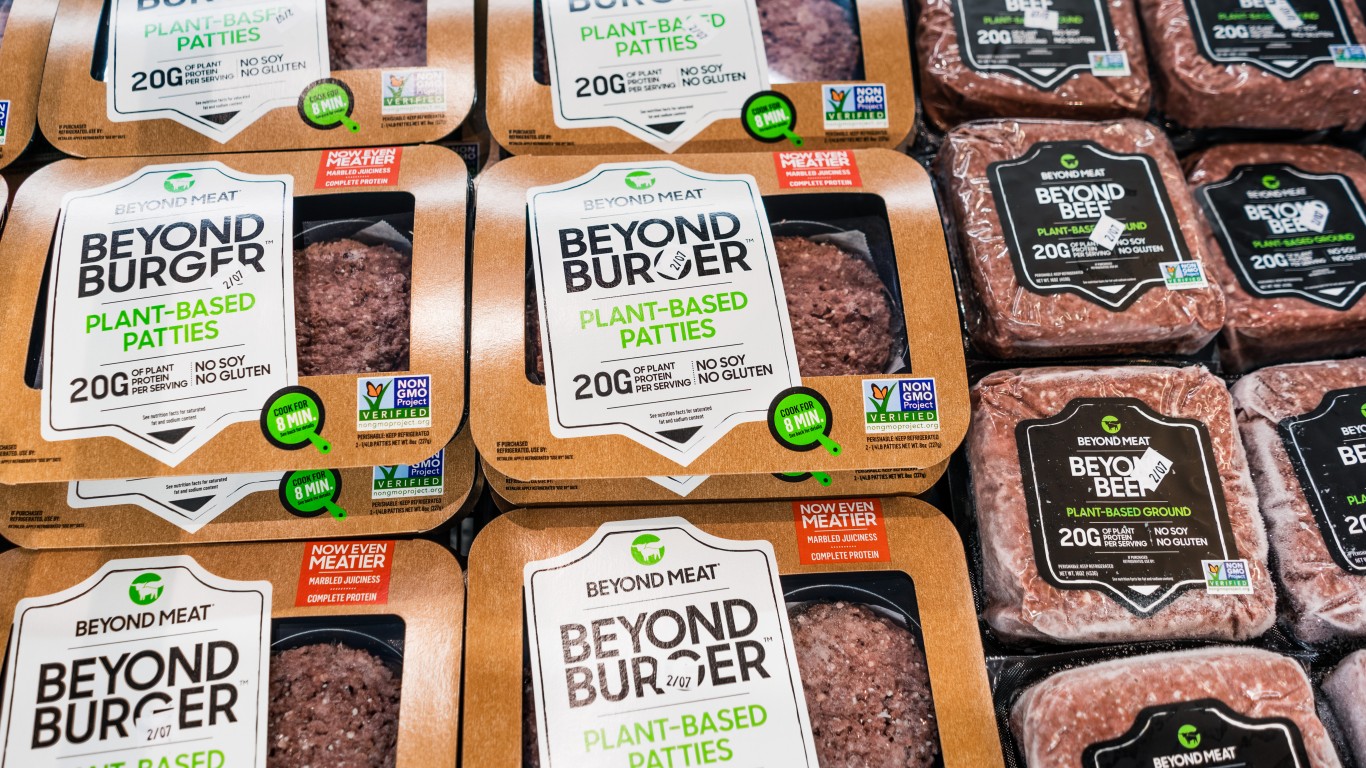
Even the Walmart partnership, which sounds promising, falls short as a fundamental driver. Expanding distribution to more stores and launching a value pack aims to boost accessibility, but it doesn’t address core demand issues. Plant-based meat alternatives aren’t a broad trend set to dominate grocery aisles; they’re a narrow niche appealing to a small segment of health-conscious or environmentally aware consumers.
Sales data tells the story: BYND reported a 20% year-over-year revenue decline in the second quarter, missing guidance by 9%. Net revenues continue to fall, with the company remaining deeply unprofitable — it post losses quarter after quarter.
There’s little evidence consumers will suddenly embrace faux meat in large quantities. Competition from rivals like Impossible Foods and traditional meat producers offering plant-based lines intensifies pressure. Economic factors, such as inflation-weary shoppers prioritizing affordability over novelty, further limit uptake.
Without a turnaround in sales trends or path to profitability, these catalysts are like duct tape on a sinking ship — they might stem the bleeding briefly, but the hull is still breached.
Why the Rally Won’t Last
Pushing higher on short squeezes is classic meme stock behavior, as seen with AMC Entertainment (NYSE:AMC) or GameStop (NYSE:GME). BYND’s short interest remains elevated, inviting more gamma squeezes where options activity accelerates gains. But history shows these rallies end abruptly.
Last week, BYND tumbled 68% from October 10 to 16 after a debt-swap deal highlighted its weakening finances. Today’s surge reverses that, but without underlying business fixes, gravity will pull it back.
The plant-based sector’s hype has faded since BYND’s 2019 IPO peak above $200 per share. Revenues topped out in 2021 and have declined since, with no catalysts suggesting a reversal. Unprofitability persists due to high production costs and slim margins. Investors chasing the rise risk buying at inflated levels, only to face sharp corrections when squeezes unwind.
Key Takeaway: It’s Time to Sell
There’s no predicting BYND’s peak — it could soar to 1,000% gains or more, mirroring other meme stocks in gamma squeezes. Yet a top will arrive, and if you’re holding or just bought in, losses could wipe out your investment. Even stop-loss orders might fail in rapid crashes, as prices gap down through levels.
If you’ve profited from this run or recovered some long-term losses, now is the time to sell. Don’t get greedy trying to time the exact top — no one can. As Jim Cramer once said, bears make money, bulls make money, but pigs get slaughtered. Lock in gains and redirect your capital to stocks with real long-term growth prospects. Your portfolio will thank you.










 Top Gaining Stocks
 Top Losing Stocks