


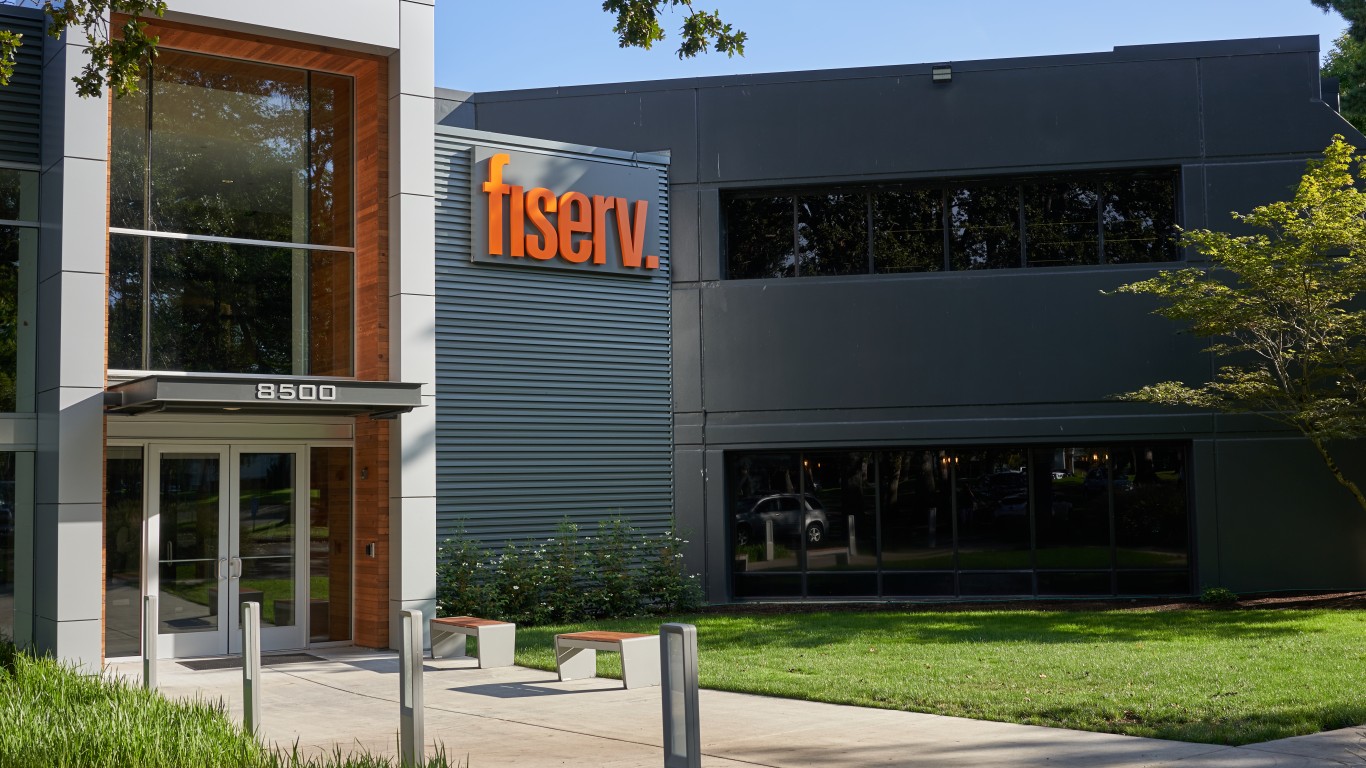
Fiserv (NYSE: FI | FI Price Prediction) missed on both earnings and revenue in Q3, prompting a sharp guidance reset and a new strategic action plan from management. The stock, already down sharply this year, absorbed the miss with relative calm on the filing, but the underlying message was clear: the payments and financial technology giant is recalibrating expectations after a period of underperformance.
Where the Momentum Stalled
Adjusted EPS came in at $2.04, well below the $2.72 consensus estimate. Revenue landed at $5.26 billion against an expected $5.52 billion. The miss was broad-based, with Merchant Solutions delivering $2.59 billion in revenue (up 5% year over year) while Financial Solutions contracted 3% to $2.33 billion. That segment weakness is the real concern here. Financial Solutions represents a meaningful portion of the business, and a year-over-year decline signals headwinds in areas where Fiserv has historically driven consistent growth.
I’d keep an eye on that Financial Solutions trend. If it doesn’t stabilize next quarter, it could indicate deeper structural challenges in the banking and financial services markets they serve.
The Margin Story Held
Operating income of $1.67 billion and a 30.8% operating margin show the company is still executing on cost discipline. Free cash flow of $2.88 billion demonstrates solid underlying cash generation. That’s the kind of metric that often gets overlooked in earnings misses but matters tremendously to long-term investors. The company is converting revenue into actual cash, which limits downside risk even as near-term guidance tightens.
Guidance Gets Reset Lower
Full-year 2025 adjusted EPS guidance was narrowed to $8.50 to $8.60, down from prior expectations. Organic revenue growth guidance sits at 3.5% to 4%, which signals management is being cautious about demand trends heading into year-end. This is the number that likely drove the stock reaction. When guidance moves lower, it tells investors that management sees a tougher environment than previously anticipated.
Numbers Tell the Story
Key Figures
- Adjusted EPS: $2.04 (vs. $2.72 expected); miss of 25%
- GAAP EPS: $1.46; up 49% year over year
- Revenue: $5.26B (vs. $5.52B expected); down 5% versus guidance
- GAAP Revenue: Up 1% year over year
- Operating Income: $1.67B
- Free Cash Flow: $2.88B
- Share Repurchases (Q3): $1.0B (7.2 million shares)
The cash flow generation and capital return activity show management is confident enough to keep buying back stock despite near-term headwinds. That’s worth noting.
Leadership Acknowledges the Gap
CEO Mike Lyons didn’t sugarcoat the situation. “Our current performance is not where we want it to be nor where our stakeholders expect it to be,” he said. That kind of candor is refreshing. Rather than spin the miss, management launched “One Fiserv,” an action plan focused on client service, value-added technology solutions, and innovation. It’s essentially an acknowledgment that execution needs to improve.
The tone suggests management recognizes the problem and is taking action. Whether that action moves the needle fast enough to satisfy investors is the open question.
What Investors Should Watch
The key focus now is whether Financial Solutions stabilizes in Q4. If that segment returns to growth, it signals the miss was cyclical rather than structural. Watch the earnings call for management commentary on client retention, deal pipelines, and any color on 2026 demand visibility. The stock is trading significantly below analyst price targets, which creates asymmetric risk if execution improves. Pay attention to whether the One Fiserv initiative gains traction in the coming quarters.











 Top Gaining Stocks
 Top Losing Stocks