


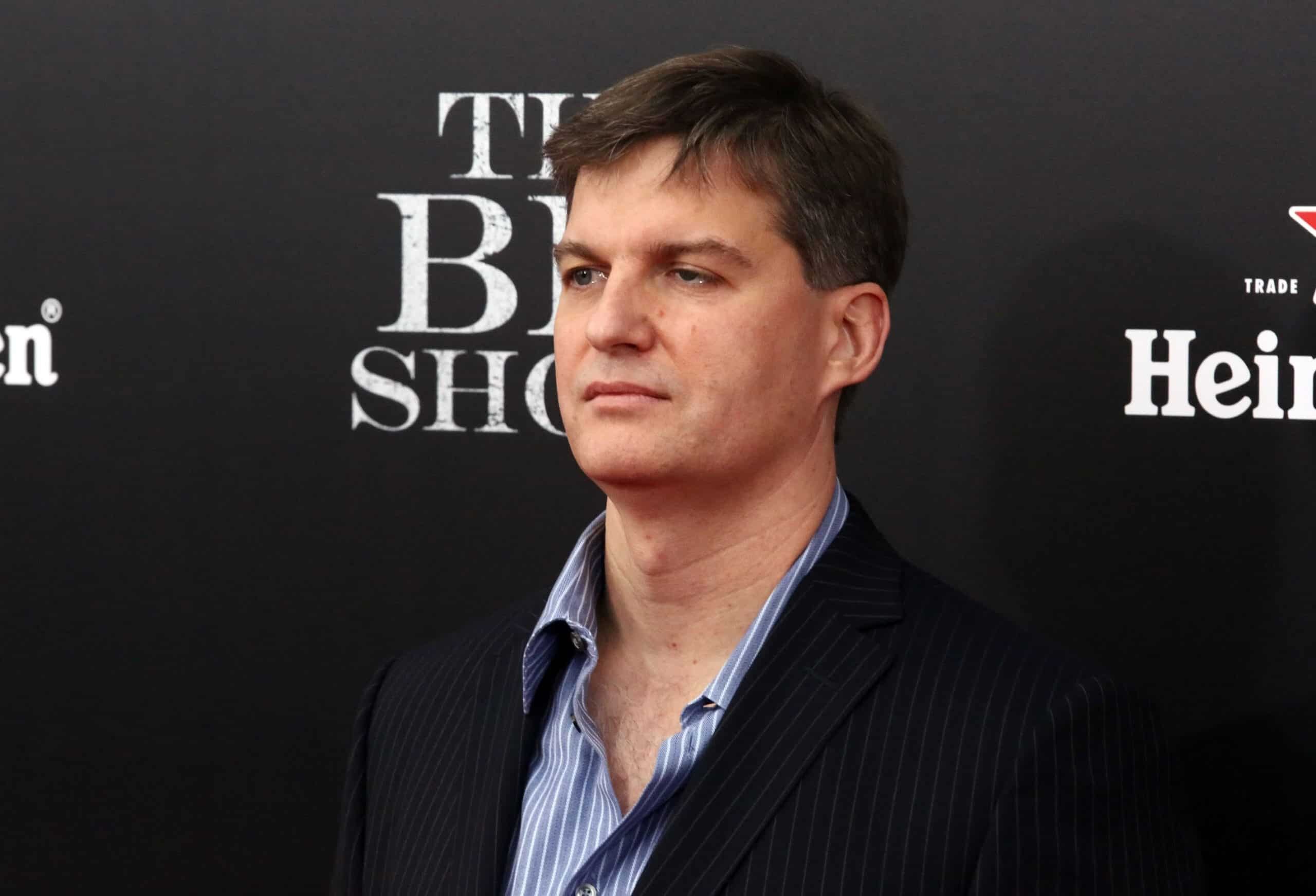
Michael Burry, the investor immortalized in “The Big Short” for predicting the 2008 housing crash, recently sent shockwaves through markets again. In his third-quarter filings, his Scion Asset Management revealed massive put options against Nvidia (NASDAQ:NVDA | NVDA Price Prediction) and Palantir Technologies (NASDAQ:PLTR), signaling deep skepticism about artificial intelligence (AI)-driven valuations detached from fundamentals. These bets positioned him to profit if high-flying AI stocks corrected sharply.
Then came a surprising reversal — not by covering his short positions or embracing the AI narrative, but by deregistering Scion Asset Management with the SEC, effectively closing the hedge fund and returning outside capital to investors by year-end. In a letter to his investors, Burry explained his valuation views have been out of sync with markets for some time, implying it was unwise to manage others’ money amid such divergence. This echoes his 2008 closure of Scion Capital, when client pressure mounted before his housing bet paid off.
Far from capitulation, the move suggests Burry remains convinced AI hype has created a bubble. By shifting to a likely family office structure, he frees himself to pursue contrarian trades privately, using his own capital without risking investors’ funds or facing redemption demands.
Yet the question arises: is Michael Burry closing shop just before he’s proved right — again?
AI Mania Pushes Valuations to the Brink
The AI boom has triggered dramatic reratings across tech, with stocks trading at extreme multiples justified only by flawless execution and endless growth. Nvidia, the pick-and-shovel play for AI infrastructure, has seen its market cap explode as demand for its chips surges. Palantir, with its data analytics platforms, has ridden government and enterprise AI adoption to new highs.
Other examples abound: Super Micro Computer (NASDAQ:SMCI) has skyrocketed on server demand for AI training, while Arm Holdings (NASDAQ:ARM) benefits from efficient chip designs powering AI devices. Even broader names like Microsoft (NASDAQ:MSFT) and Broadcom (NASDAQ:AVGO) trade at premiums tied to AI cloud and semiconductor exposure.
These stocks are priced for perfection. Palantir, for instance, often commands forward P/E ratios above 100, assuming hypergrowth persists indefinitely. Nvidia’s valuation assumes no competition or demand slowdown. A minor hiccup could trigger sharp declines, as margins of safety have evaporated.
Headwinds Mounting for the AI Rally
We may be entering exactly that bumpy period. Power constraints are emerging as a major bottleneck — an “energy crunch” where data centers devour electricity faster than grids can supply. Reports highlight delays in nuclear and renewable projects needed to fuel AI’s insatiable appetite.
Data center buildouts are facing setbacks too: supply chain issues for specialized equipment, permitting delays, and soaring costs. CoreWeave (NASDAQ:CRWV) just cut its full-year guidance because a major data center partner was experiencing construction delays. Tech giants have warned of multibillion-dollar capex overruns, yet revenue from AI services lags behind investments.
Other risks loom, too — regulatory scrutiny on AI ethics and monopolies, potential overcapacity if chip orders peak, or macroeconomic shifts raising interest rates and hurting growth stocks. Customers of AI leaders, from hyperscalers to enterprises, could cut spending if their own profits disappoint, creating ripple effects.
If these issues compound, Burry could be vindicated, even if not precisely for his original thesis on fundamentals. Overextended accounting practices or circular revenue loops in the ecosystem might accelerate the unwind, aligning with his bubble warnings.
Key Takeaway
Burry’s aggressive short via puts on AI frontrunners may yet prove prescient. Strong bull cases exist: AI adoption is early, productivity gains are real, and leaders like Nvidia hold defensible moats while offering discounted valuations based on expected growth rates.
Yet ripple effects are underrated — if enterprise clients hit budget walls from energy costs or delayed ROI, demand for AI tools and hardware could soften quickly, pressuring even the strongest names.
By returning investor money now, Burry avoids the 2008-style client backlash while positioning to bet big privately. History shows his patience during ridicule often precedes triumph. He may be stepping away from managing others’ capital just as he gears up for another legendary short. In a market ignoring risks, Cassandra might finally be heard.












 Top Gaining Stocks
 Top Losing Stocks